Towngas Calls for Green Methanol Bunkering to Feature in Hong Kong’s Five-Year Maritime Strategy
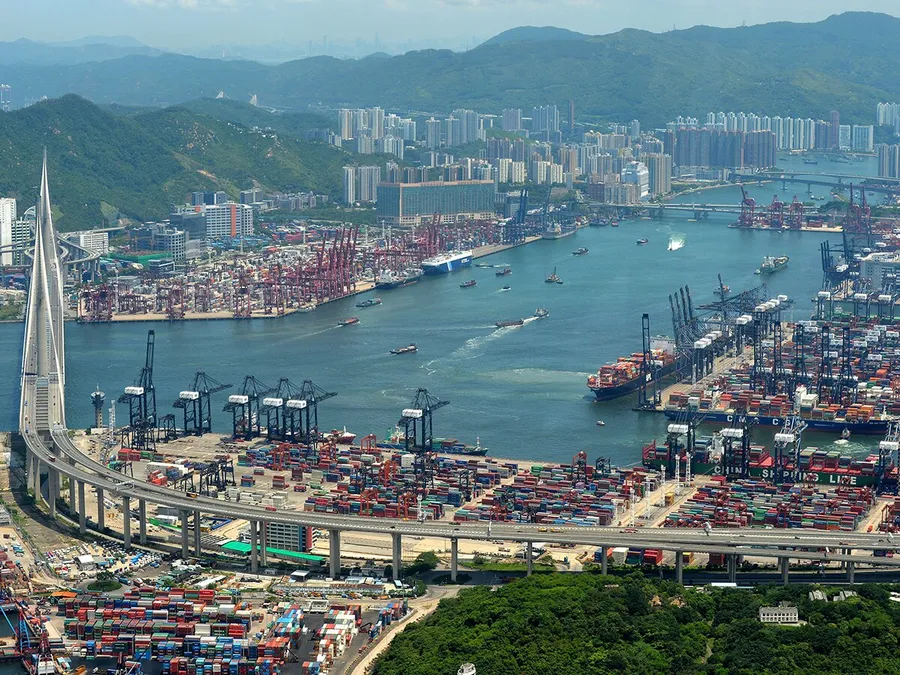
As global shipping accelerates its transition toward low-carbon fuels, ports are under increasing pressure to develop the infrastructure needed to support alternative bunkering. Towngas believes Hong Kong has an opportunity to strengthen its position as a regional green fuel hub by placing green methanol at the centre of its long-term maritime strategy.
Towngas outlines green fuel recommendations for Hong Kong
The Hong Kong and China Gas Company (Towngas) has urged the Hong Kong government to make green methanol bunkering a strategic priority in the city's first Five-Year Plan, which will guide development between 2026 and 2030.
The recommendations were submitted as part of the government's ongoing public consultation and focus on strengthening Hong Kong's readiness to support the maritime industry's transition to cleaner fuels.
Among its proposals, Towngas has called for investment in green methanol bunkering infrastructure at Hong Kong's port. While the company has not disclosed specific implementation plans, it believes expanding bunkering capabilities will be essential for attracting vessels that are increasingly adopting methanol as an alternative marine fuel.
Beyond infrastructure, Towngas is encouraging the government to accelerate the commercial deployment of green methanol and take a leading role in developing an internationally recognized certification framework for green fuels. Standardized certification would help shipowners, fuel suppliers, and regulators verify the environmental credentials of alternative fuels while supporting global compliance efforts.
Production capacity set to expand
The recommendations are closely aligned with Towngas' own investments in renewable fuel production.
Its joint venture, VENEX, is currently developing a 200,000-tonne-per-year bio-methanol production facility in Guangdong Province, with output intended to serve several industries, including the growing demand for marine bunkering in Hong Kong. Commercial operations are expected to begin in 2028.
Once the Guangdong facility comes online, it will complement Towngas' existing bio-methanol production plant in Inner Mongolia, increasing the company's total production capacity to approximately 500,000 tones per year.
The expansion reflects growing confidence that green methanol will play an increasingly important role in the decarbonization of global shipping, particularly as more newbuild vessels are ordered with methanol-capable engines.
Why this matters
- Green methanol is emerging as one of the leading alternative marine fuels, with increasing investment from shipowners, ports, and fuel producers.
- Ports that develop bunkering infrastructure early could strengthen their competitiveness as future refueling hubs for low-emission vessels.
- International fuel certification standards will become increasingly important for demonstrating compliance with environmental regulations and supporting fuel transparency.
- For shipowners and operators, reliable access to certified green methanol can simplify fuel planning and support long-term decarbonization strategies.
Conclusion
Towngas' proposal reflects the growing momentum behind green methanol as a practical pathway toward cleaner shipping. If incorporated into Hong Kong's long-term development strategy, expanded bunkering infrastructure and fuel certification could enhance the city's position as a leading maritime and alternative fuel hub in Asia.
Source: Engine.online
Related Articles