Alternative-Fuelled Vessel Orders Surge 57%, but Port Bunkering Readiness Remains a Challenge
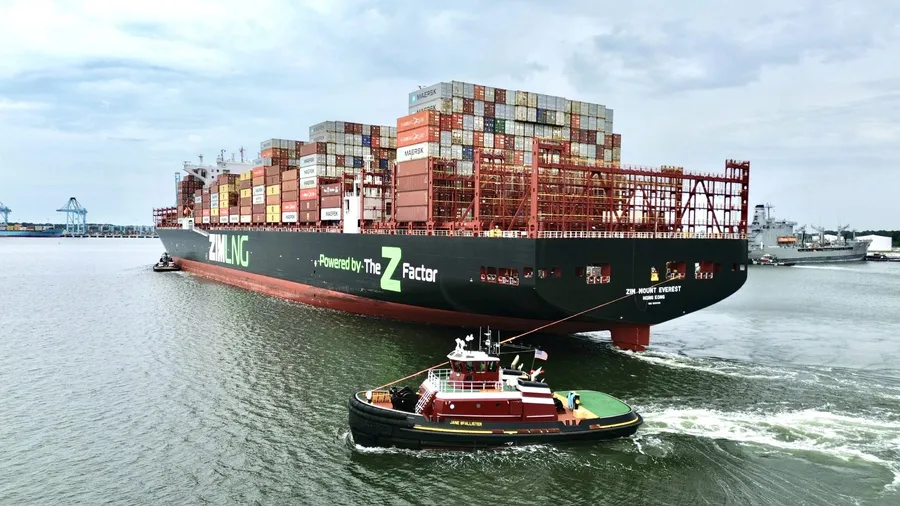
Orders for alternative-fuelled ships are accelerating, reflecting the shipping industry's growing investment in lower-emission propulsion technologies. However, the expansion of the fleet is raising a critical question: will ports be ready to supply the fuels these vessels need?
New figures from classification societies DNV and Lloyd's Register (LR) highlight the widening gap between vessel investment and the availability of alternative-fuel bunkering infrastructure.
Alternative-Fuelled Ship Orders Maintain Strong Momentum
DNV reported that 53 alternative-fuelled vessels were ordered in October 2026, bringing the total for the first ten months of the year to 364.
LNG dual-fuel propulsion continued to dominate new contracts, accounting for 30 of October's 53 orders. The remaining orders included 19 LPG-fuelled vessels and four ammonia-fuelled ships.
Across the first ten months of 2026, LNG-powered vessels accounted for 230 orders, while LPG propulsion represented 103.
The continued preference for LNG reflects its comparatively mature supply chain and established bunkering network. According to DNV Global Decarbonization Director Jason Stefanatos, container ships and car carriers remain particularly important drivers of LNG adoption.
Together, these segments account for almost 90% of LNG-fuelled vessel orders placed this year, highlighting the role of shipping sectors closely connected to global consumer supply chains.
LNG's existing infrastructure, expanding bunker vessel fleet and established fuel supply arrangements offer shipowners practical advantages over less-developed alternative fuels.
Its potential to accommodate lower-carbon fuel pathways in the future also provides operators with flexibility over the operational life of their vessels.
Port Infrastructure Struggles to Keep Pace
While newbuilding orders continue to grow, the availability of alternative fuels remains uneven across the global port network.
A study by Lloyd's Register found that LNG is available in 222 ports worldwide. However, infrastructure for other alternative fuels remains considerably more limited.
LR identified 385 methanol-capable vessels and 45 ammonia-capable vessels on order, but its assessment highlighted significant gaps in bunkering availability:
- LNG: Available in 222 ports worldwide.
- Methanol: Bunkering facilities available at just 25 ports.
- Ammonia: Commercial bunkering operations have taken place in only one port.
These figures illustrate the challenge facing shipowners considering alternative-fuel propulsion. A vessel may be technically capable of operating on a particular fuel, but its commercial viability also depends on whether that fuel can be supplied reliably along its intended trading routes.
For vessels operating on fixed liner services, the availability of bunkering at key hubs becomes especially important. For tramp shipping, the challenge may be greater because trading patterns and port calls can change frequently.
Fuel Strategy and Trading Strategy Must Align
Lloyd's Register Senior Vice President of Ports Advisory Kamran Ul Haq warned that the development of the alternative-fuel fleet is moving faster than the infrastructure needed to support it.
The concern is not simply whether ports can install bunkering equipment. Alternative fuels also require appropriate safety procedures, regulatory frameworks, trained personnel and commercial partnerships.
Ports do not necessarily need to invest in every emerging fuel. Instead, they must assess where credible demand is likely to develop and prepare infrastructure accordingly.
For shipowners, this means fuel selection can no longer be treated as a purely technical decision during newbuilding design.
The choice of propulsion system must also reflect the vessel's expected trading pattern, access to bunkering facilities, fuel costs and long-term regulatory exposure.
For port authorities, early investment decisions could determine which locations become preferred bunkering hubs as alternative-fuel consumption expands.
Why this matters
- For shipowners: Alternative-fuel capability must be matched with realistic fuel availability along intended trading routes to avoid operational restrictions and additional costs.
- For seafarers: The expansion of LNG, methanol and ammonia propulsion will increase the need for specialised training, fuel-handling competence and alternative-fuel safety procedures.
- For ports and terminal operators: Infrastructure investment must be guided by credible demand, safety requirements and partnerships with fuel suppliers and shipping companies.
- For the maritime industry: The growing gap between vessel orders and bunkering readiness highlights the importance of coordinated investment across ships, ports, fuel producers and regulators.
Conclusion
The surge in alternative-fuelled vessel orders demonstrates that shipping's energy transition is gaining commercial momentum, with LNG continuing to lead while methanol and ammonia attract growing interest.
However, the next stage of progress will depend on whether port infrastructure, fuel supply chains and operational capabilities can develop at a pace that supports the fleet entering service.
Source: Seatrade Maritime News
Related Articles