South Korea Completes First Commercial Arctic Round Trip to Europe, Targets Regular Services by 2030
The Ecosailor – Maritime News for the Modern Sailor
South Korea has completed its first commercial container ship round trip between Asia and Europe through Arctic waters, marking a significant trial for an alternative to traditional shipping routes.
The voyage strengthens Seoul’s ambition to develop Busan as a global maritime hub, but commercial viability will depend on cargo demand, operating costs, navigational risks and geopolitical conditions.
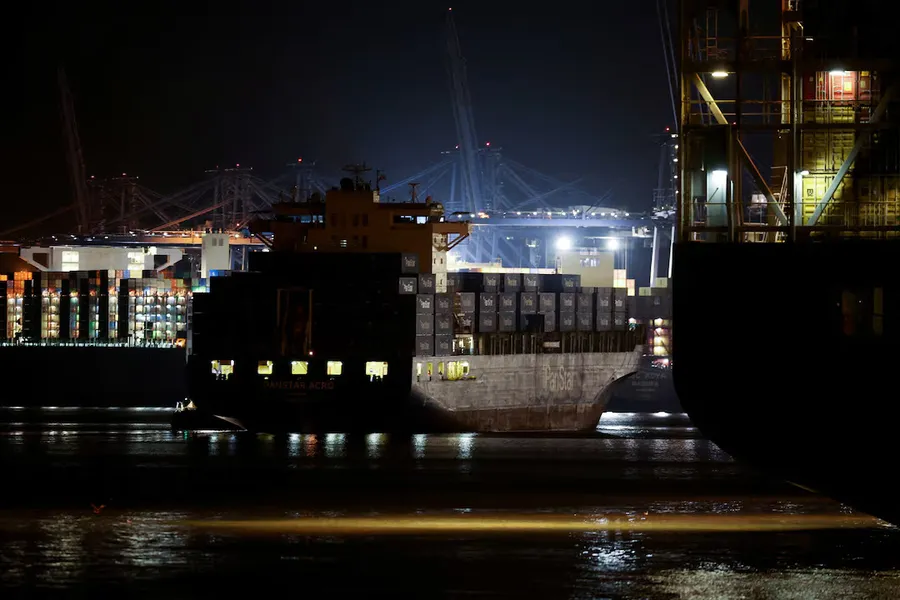
PanStar Acro Completes 50-Day Arctic Voyage
The container vessel PanStar Acro returned to Busan, South Korea, on 11 October 2026, completing a round trip that began on 22 August. The journey took approximately 50 days and tested the commercial potential of using the Arctic route for Europe-bound cargo.
On its outbound leg, the vessel navigated Arctic waters before calling at Felixstowe in the United Kingdom, followed by Rotterdam in the Netherlands and Gdansk in Poland. It then returned to South Korea through the Arctic.
South Korean authorities believe the route could reduce typical Asia–Europe voyage times by around one-third compared with conventional routes. President Lee Jae Myung has made Arctic shipping a national priority, with officials aiming to establish regular services by 2030.
For Busan, one of Asia’s major container ports, a viable Arctic connection could create new opportunities in international cargo handling, shipping services and maritime logistics.
Cargo Demand and Operating Costs Remain Key Questions
The trial also exposed a challenge that goes beyond navigation: attracting sufficient cargo.
Before departure, PanStar had sought approximately 1,300 TEU of cargo. However, the vessel sailed with 737 TEU of cargo, alongside empty containers. This suggests that developing a commercially sustainable service will require stronger cargo commitments and confidence among shippers.
The Arctic route also presents a different cost structure from conventional shipping corridors. Operators must account for possible speed reductions in ice-affected waters, additional fuel consumption, specialist insurance premiums and the potential need for icebreaker assistance.
These factors could reduce the financial benefits of a shorter voyage. A reduction in sailing time does not automatically translate into lower total logistics costs.
Geopolitics Adds Another Layer of Risk
The route follows Russia’s Arctic coastline, creating a diplomatic complication for South Korea as Western allies seek to maintain pressure on Moscow over the war in Ukraine.
Seoul consulted Russian authorities before the voyage, including on potential assistance if the vessel encountered difficulties such as becoming trapped in ice.
This highlights how Arctic shipping is shaped not only by weather, ice conditions and vessel capability, but also by access arrangements and international relations. For carriers considering regular operations, these issues will need to be assessed alongside commercial and safety requirements.
Why This Matters
- For shipowners and operators: Arctic routing could offer a competitive alternative to conventional Asia–Europe services, but only if fuel, insurance, ice-related costs and schedule reliability support the business case.
- For seafarers: Ice navigation, changing weather, emergency preparedness and the availability of assistance introduce operational considerations that differ from routine open-water passages.
- For ports and logistics providers: Busan could strengthen its role in global shipping if the route attracts sustained cargo volumes and dependable liner services.
- For cargo owners: Shorter transit times may improve supply-chain planning, but uncertain schedules and additional costs must be weighed against the potential time savings.
The Bottom Line
South Korea’s successful Arctic round trip demonstrates that commercial use of the route is becoming more tangible, with regular services targeted for 2030. Turning the trial into a sustainable shipping corridor, however, will require reliable operations, competitive costs, sufficient cargo demand and careful management of geopolitical and navigational risks.
Source: Reuters
Related Articles