India Bets $1.05 Billion on Domestic Shipping Container Manufacturing
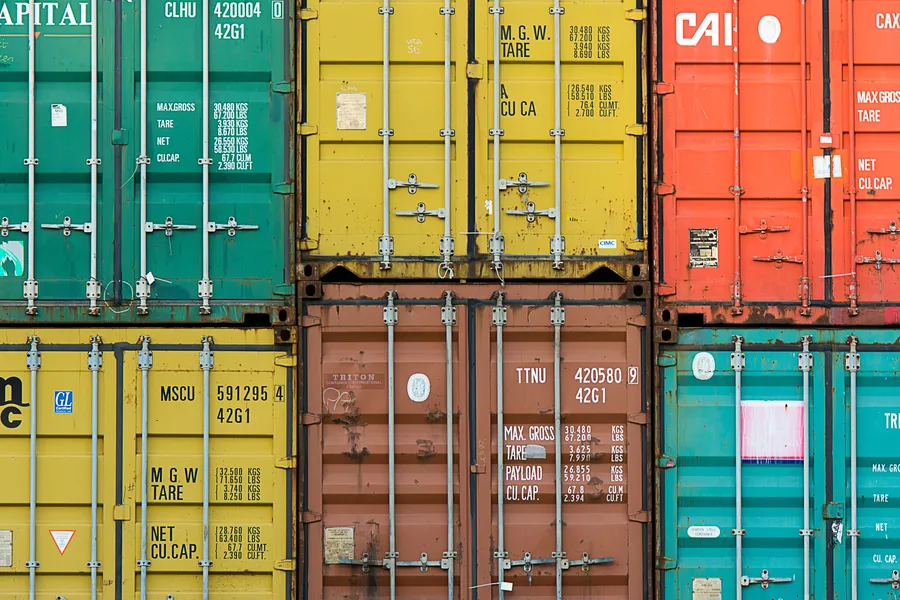
India is moving to strengthen its position in global shipping by expanding domestic container production, with a $1.05 billion government scheme designed to increase annual manufacturing capacity tenfold. The initiative aims to reduce import dependence, create jobs and build a stronger industrial base for the country’s maritime supply chain.
Building a Domestic Container Manufacturing Industry
India’s Union Cabinet, chaired by Prime Minister Narendra Modi, approved the Container Manufacturing Promotion Scheme (CMPS) on October 28, 2026. The programme aims to raise the country’s annual shipping container production capacity to 750,000 TEUs, creating the foundation for a more competitive domestic industry.
First announced in the 2026–27 Union Budget, the initiative will support both new manufacturing facilities and the expansion of existing production units. Its longer-term ambition is to establish India as an internationally competitive manufacturer and a potential export hub for shipping containers.
The scheme’s largest funding component is approximately ₹88.91 billion ($935 million) in operational expenditure assistance. This support will apply to eligible manufacturers producing containers that meet international shipping standards and are sold under the programme.
A further ₹8.59 billion ($90 million) has been allocated for interest subsidies. Eligible manufacturers setting up new facilities or expanding existing capacity can receive a 3% annual interest subsidy on qualifying term loans, helping reduce financing costs for industrial investment.
The remaining ₹1.5 billion ($16 million) will support shared testing and certification infrastructure. This includes facilities for specialised procedures such as dynamic longitudinal impact testing, which helps assess container structural performance under demanding conditions.
Beyond Containers: A Wider Maritime Industrial Opportunity
The programme’s impact could extend well beyond container factories. Increased domestic production is expected to support related industries supplying specialised steel, corner castings, wooden flooring and frames, paints, and other manufacturing inputs.
The government estimates that the scheme could generate 3,000 direct jobs and more than 50,000 indirect jobs. If production scales successfully, the benefits could spread across manufacturing, engineering, logistics and supporting industrial services.
For India’s shipping sector, expanding local container availability could also help diversify sourcing options. However, the extent to which it reduces import dependence will depend on production costs, product quality, manufacturing consistency and the ability of domestic producers to compete with established international suppliers.
Reaching the 750,000-TEU target will therefore require more than financial assistance. Manufacturers will need reliable access to raw materials, skilled labour, testing facilities and customers in both domestic and export markets.
Why This Matters
- For shipowners and container operators: A stronger domestic supply base could create additional procurement options and reduce reliance on overseas manufacturers over time.
- For seafarers and maritime professionals: Expansion of the container manufacturing ecosystem could create employment opportunities across industrial operations, logistics, technical services and supply-chain management.
- For manufacturers and investors: Operational support and subsidised borrowing could make new production facilities and capacity expansion more financially attractive.
- For India’s maritime ambitions: Building internationally competitive container production could strengthen domestic supply chains and open opportunities to serve global shipping markets.
Conclusion
India’s $1.05 billion container manufacturing initiative is an effort to build industrial capacity alongside its wider maritime ambitions.
The real test will be whether government support translates into competitive production, reliable quality and sustained demand from the global shipping industry.
Source: Marine Link
Related Articles