Maersk Brings First Planned Container Ship Drydocking to India Under L&T Partnership
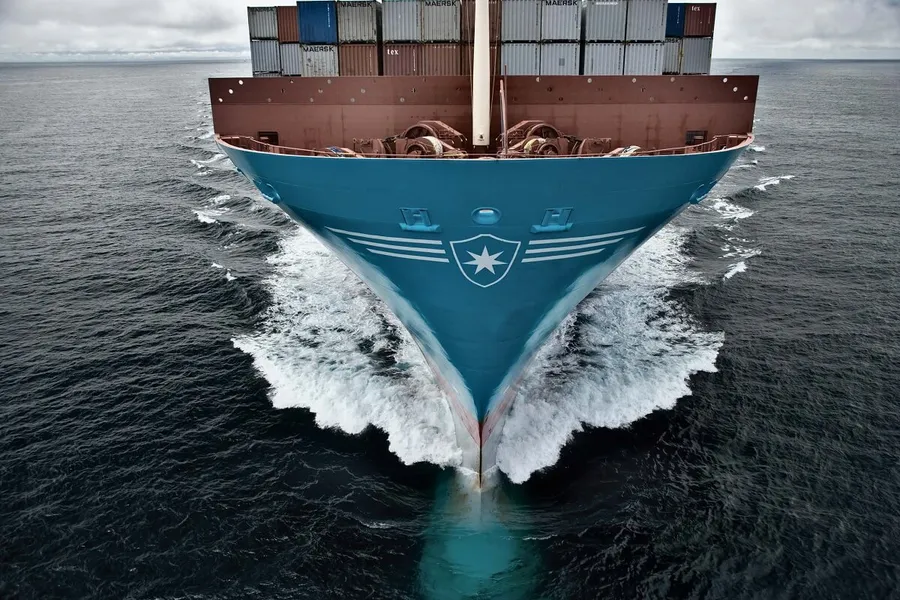
Maersk is set to carry out its first planned drydocking in India at L&T Shipbuilding’s Kattupalli Shipyard near Chennai, marking a practical step towards expanding India’s role in global vessel repair and maintenance.
The project brings together an international shipping operator and an Indian shipyard, with potential benefits for domestic maritime suppliers, technical service providers and the wider ship repair ecosystem.
Maersk Chattogram Scheduled for Special Survey
The Singapore-flagged container vessel Maersk Chattogram is scheduled to arrive at Kattupalli Shipyard on 20 October 2026, subject to operational and weather conditions.
The drydocking forms part of the vessel’s regular maintenance cycle and will include its special survey, alongside inspections, servicing and overhaul work covering the hull, structural components, machinery, equipment and propulsion systems.
L&T Shipbuilding plans to use its shiplift facility at Kattupalli, which the companies describe as the largest of its kind in India, to raise the vessel out of the water for inspection and maintenance.
Drydocking is an essential part of a ship’s lifecycle. It enables teams to examine underwater hull sections, assess coating condition, inspect propulsion components and carry out repairs that cannot be completed effectively while a vessel remains afloat.
For container operators, completing this work safely and efficiently is important for maintaining vessel reliability and managing planned service interruptions.
First Operational Step Under the Maersk–L&T Agreement
The project represents the first operational milestone under a Memorandum of Understanding signed by Maersk and Larsen & Toubro during India Maritime Week 2025.
The agreement established a framework for cooperation across shipbuilding, vessel repair and the exchange of technical knowledge relating to international maritime standards and shipyard capabilities.
Dinesh Kumar Balraj, Maersk’s Head of Fleet Operations East, described the drydocking as a step towards translating the partnership into practical operations.
The objective is to align Maersk’s global technical requirements with India’s developing shipyard infrastructure, supplier network and maritime services sector.
Opportunities for India's Maritime Supply Chain
The drydocking project will involve Maersk’s fleet and technical teams, L&T personnel, Indian subcontractors, equipment suppliers and maritime service providers.
Coordination between these groups will be important to meeting the vessel’s maintenance requirements while maintaining safety, quality and schedule discipline.
For Indian suppliers, participation could provide valuable experience in working to the technical and operational expectations of a major international shipping company. It may also help strengthen local capabilities in ship repair, marine engineering and specialist maintenance services.
Arun Ramchandani, Head of Precision Engineering & Systems at L&T, said the project advances the partnership and supports the development of domestic capabilities and supply chains across the shipbuilding ecosystem.
The longer-term significance will depend on whether this initial operation helps establish repeat business and encourages more international vessel operators to consider Indian facilities for maintenance and repair.
Why This Matters
- For Indian shipyards: Working with a major global carrier provides an opportunity to demonstrate technical capability, quality control and the ability to meet demanding vessel-maintenance schedules.
- For Indian maritime suppliers: Subcontractors and service providers could gain experience, develop new technical competencies and strengthen their position in the international ship repair market.
- For seafarers and fleet technical teams: Well-planned drydocking supports hull integrity, machinery reliability and safe vessel operation. Efficient maintenance planning can also help minimize disruption to ship schedules.
- For India's maritime ambitions: The project supports efforts to expand domestic ship repair and engineering capacity, although sustained growth will require competitive pricing, skilled labor, infrastructure investment and consistent service quality.
Conclusion
Maersk’s planned drydocking of Maersk Chattogram at Kattupalli is an important first operational step in its partnership with L&T, connecting global fleet requirements with India's ship repair capabilities.
If the project delivers successfully, it could help build confidence in Indian shipyards and create further opportunities for domestic suppliers across the maritime maintenance sector.
Source: Container News
Related Articles