SCI Positioned at the Centre of India’s Push for a Larger National Fleet

India wants a greater share of its trade to move on Indian-owned and Indian-flagged ships, and the Shipping Corporation of India (SCI) is being positioned as a key part of that strategy. At its 65th anniversary event in Mumbai, the government called on the company to help expand national shipping capacity while supporting India’s longer-term shipbuilding ambitions.
From National Carrier to Strategic Maritime Asset
Union Minister for Ports, Shipping and Waterways Sarbananda Sonowal made the call during an event at Mumbai’s International Cruise Terminal on October 2, marking 65 years of SCI operations.
He highlighted the company’s role in maintaining India’s trade and energy supply chains, particularly during recent disruptions affecting major maritime routes, including the Strait of Hormuz.
For India, the issue goes beyond fleet size. The government sees domestic shipping capacity as part of wider economic and energy security, particularly when geopolitical events can rapidly affect vessel availability, freight costs and trade routes.
Sonowal urged SCI to contribute to the objectives of Viksit Bharat and Atmanirbhar Bharat, with a particular focus on increasing Indian shipping tonnage and strengthening the domestic shipbuilding ecosystem.
A Large Gap in India’s Shipping Footprint
One of the key figures highlighted at the event was the relatively small share of Indian-flagged vessels in the country's export trade.
According to the figures cited by the minister, Indian-flagged ships currently carry around 5% of India's export cargo, while foreign carriers handle approximately 95%.
The government estimates that this dependence contributes to an annual foreign-exchange outflow of roughly $75 billion.
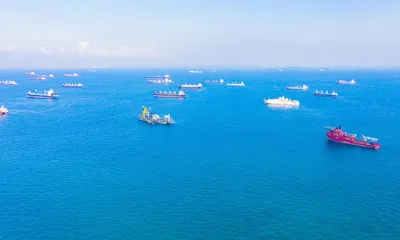
That exposure becomes more visible when major shipping routes are disrupted. The Red Sea, Black Sea and Strait of Hormuz have each demonstrated how quickly geopolitical developments can affect vessel routing, energy movements, freight markets and supply chains.
Under Maritime Amrit Kaal Vision 2047, India has set an ambition of entering the world's top 10 countries by shipping tonnage by 2030 and the top five by 2047.
For SCI, that creates a clear strategic role: expanding its own fleet while helping develop the wider ecosystem needed for Indian shipping companies to compete internationally.
SCI’s 65-Year Transformation
SCI began operations in 1961 as a liner shipping company with 19 vessels.
It has since developed into a diversified maritime group with 58 vessels totalling approximately 5.26 million DWT.
Its activities now span multiple segments, including:
- Crude and product tankers
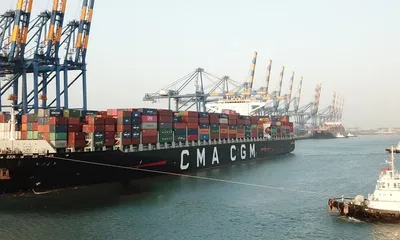
- Bulk and container shipping
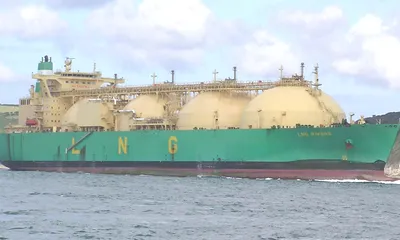
- LNG and LPG carriers
- Offshore services
- Passenger and coastal transportation
- Project cargo
- Ship management
- Shipbuilding consultancy
This diversification gives SCI exposure to several parts of the maritime value chain rather than relying on a single vessel segment.
The company is now preparing for another phase of fleet expansion, with SCI Chairman and Managing Director Captain B.K. Tyagi reaffirming plans to develop a larger, modern and internationally competitive fleet.
Fleet Growth Could Create a Wider Maritime Impact
The implications extend beyond SCI's balance sheet.
A larger Indian-owned fleet can potentially support demand across ship management, crewing, marine services, ship repair, training, classification, port operations and maritime technology.
For Indian seafarers, fleet expansion could also mean more opportunities on vessels operated by Indian companies, although the actual employment impact will depend on vessel types, crewing models and the pace of fleet growth.
SCI is also pursuing strategic partnerships and joint ventures, including initiatives involving Indian Oil's public-sector companies and the proposed Bharat Container Shipping Line.
These projects are intended to increase India's participation across different shipping segments and support the country's broader tonnage objectives.
Shipping Capacity Meets Shipbuilding Ambition
The government's message at the anniversary event was not simply about buying more ships.
India is simultaneously seeking to strengthen its domestic shipbuilding capability. A larger national fleet could create a stronger customer base for Indian shipyards, while increased shipbuilding activity could reduce dependence on overseas yards over the longer term.
The strategy therefore connects three elements: owning ships, building ships and developing the maritime ecosystem around them.
Maharashtra Minister for Fisheries and Ports Nitesh Narayan Rane also highlighted SCI's long association with Mumbai and Maharashtra, while Ministry Secretary Vijay Kumar described the company as an important strategic asset during national emergencies.
Kumar also pointed to SCI's fleet expansion, partnerships and focus on greener shipping as areas that could strengthen India's maritime position.
Why this matters
- For Indian shipowners: A stronger domestic fleet could reduce India's dependence on foreign-controlled tonnage and create opportunities across multiple shipping segments.
- For seafarers: Fleet expansion and new shipping ventures could increase demand for qualified Indian officers and ratings, depending on future crewing requirements.
- For shipyards and maritime suppliers: More Indian-owned tonnage could generate additional demand for construction, repair, equipment, technology and technical services.
- For energy and trade security: A larger national fleet could provide greater strategic capacity when geopolitical disruptions affect international shipping routes.
The Road Ahead for SCI
SCI's next phase will be measured not only by how many vessels it adds, but also by the competitiveness, efficiency and technological capability of that fleet.
If India's 2047 maritime ambitions are to translate into a larger global shipping footprint, SCI's fleet strategy, partnerships and ability to operate commercially competitive vessels will remain closely watched.
The Ecosailor takeaway: India's maritime expansion is moving beyond policy targets towards fleet-building and industry partnerships, with SCI expected to be one of the principal vehicles for that growth.
Source: The Newsmill
Related Articles