Port of Savannah Breaks September Record as Container Volumes Climb 3.7%
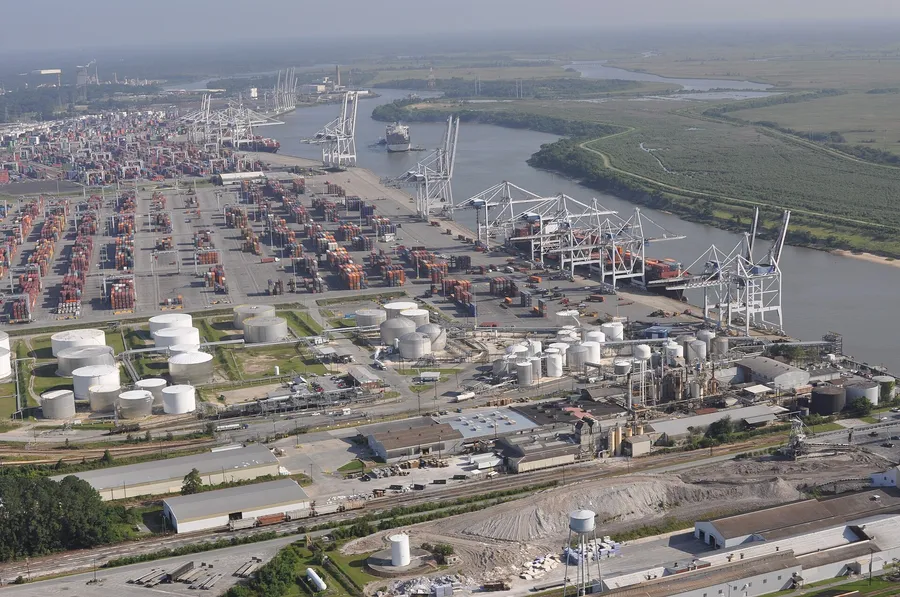
The Port of Savannah has recorded its busiest September for container handling, reflecting resilient import demand and an extended peak shipping season. The performance has also lifted Georgia Ports Authority’s first-quarter fiscal-year throughput above 1.5 million TEUs, highlighting the importance of port capacity and inland connectivity in managing shifting cargo flows.
Import Demand Drives Savannah’s Record Month
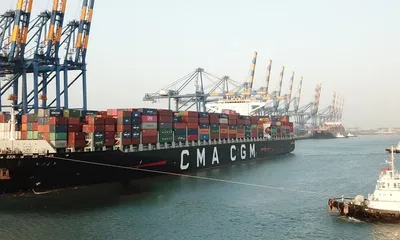
The Port of Savannah handled 504,015 twenty-foot equivalent units (TEUs) in September, up 3.7% compared with September 2025.
For the first quarter of its fiscal year, Georgia Ports Authority processed more than 1.5 million TEUs — an increase of 40,560 TEUs, or 2.7%, year on year. It was the second-strongest first quarter in the authority’s history, surpassed only by the first quarter of fiscal year 2023.
Loaded imports were a major contributor to September’s growth, rising 5.5% against the same month last year.
Georgia Ports Authority attributed the increase to continued consumer spending and a peak season that extended into September. Delays at Asian ports caused by typhoon activity also shifted some cargo arrivals into the month, adding to handling volumes.
The authority credited its employees, terminal partners and the International Longshoremen’s Association (ILA) for maintaining service while processing the increased traffic.
Inland Connections Support Cargo Flow
Growth was not limited to the main seaport. The Appalachian Regional Port, an inland terminal within Georgia Ports Authority’s network, recorded a 13% year-on-year increase in volume during the first quarter.
Savannah’s access to major retail distribution centers and its ability to maintain smooth cargo movement helped support the increase, according to the port authority.
Investment in port infrastructure and operational capacity is also intended to improve service for trucking partners and cargo owners. For shippers, the ability to move containers efficiently beyond the quay can be just as important as a terminal’s ship-handling capacity.
The latest figures underline how seaports, inland terminals and road transport networks operate as connected parts of the supply chain.
Brunswick Sees Mixed Results in Vehicle and Machinery Cargo
The contrasting figures show that cargo performance can vary significantly between segments, even within the same port system. While container volumes at Savannah reached a new monthly high, Brunswick’s overall Ro-Ro activity declined despite growth in heavy equipment movements.
Heavy machinery provided a more positive result. Shipments in this category increased by nearly 12%, rising from 3,359 units in September 2025 to 3,754 units this September.
The contrasting figures show that cargo performance can vary significantly between segments, even within the same port system. While container volumes at Savannah reached a new monthly high, Brunswick’s overall RoRo activity declined despite growth in heavy equipment movements.
Why This Matters
- For shipping lines and operators: Higher container volumes can influence berth planning, vessel scheduling, equipment availability and terminal workload during extended peak seasons.
- For importers and retailers: Strong import demand and weather-related disruptions in Asia highlight the importance of flexible inventory planning and reliable port connections.
- For port and logistics businesses: Growth at the Appalachian Regional Port demonstrates the value of inland infrastructure in moving cargo away from congested coastal gateways.
- For Ro-Ro operators: Brunswick’s decline in overall unit volumes, alongside stronger heavy machinery traffic, highlights the need to track cargo segments separately when assessing market demand.
Conclusion
Savannah’s September record reflects sustained container demand, shifting arrival patterns and the value of integrated port and inland logistics infrastructure. The next challenge will be maintaining reliable cargo flow as shipping schedules, weather disruptions and import demand continue to evolve.
Source: Container News
Related Articles