Maersk Expands German Logistics Network with New 71,800-Square-Metre Hub
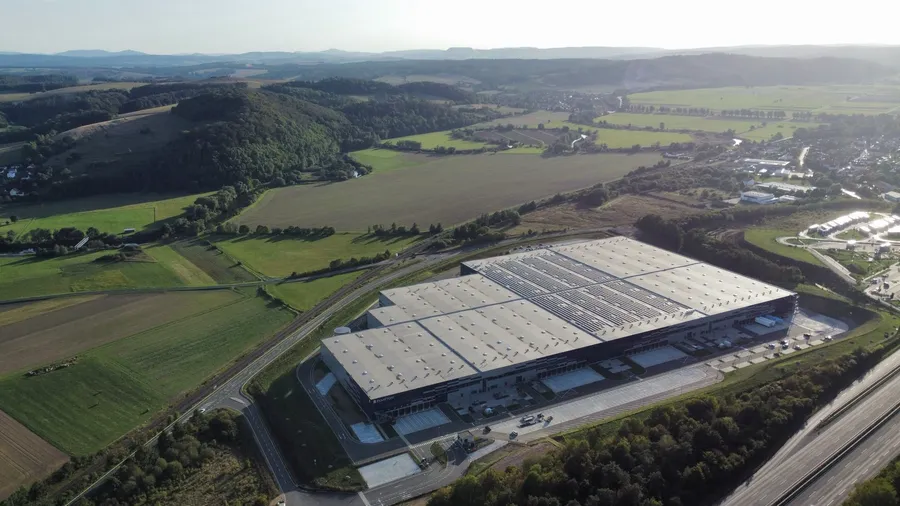
Maersk has started operations at a new 71,800-square-metre logistics centre in Herleshausen, Germany, strengthening its contract logistics network and adding capacity for cargo moving across Germany and neighbouring European markets.
The facility, positioned alongside a major east-west motorway corridor, is designed to support high-volume distribution while bringing warehousing, transport and logistics services closer together.
A strategically located distribution hub
The new centre is located at Panattoni Park Bad Hersfeld Ost in Hessen, directly beside the A4 motorway, an important route connecting eastern and western Germany.
The site includes 62,800 square metres of warehouse space, 2,900 square metres of offices and another 6,100 square metres of mezzanine space.
Inbound activities began in August, with outbound operations now also underway. Goods handled at the facility are being distributed to delivery centres in Germany and elsewhere for an online retail customer.
For Maersk, the location is part of a wider effort to expand its contract logistics footprint and strengthen its role as an integrated logistics provider rather than focusing solely on ocean transportation.
Workforce set to grow with demand
The facility currently employs around 150 people, with recruitment continuing as operations ramp up.
Maersk expects the permanent workforce to eventually reach 300–400 employees. During the busy online retail period from October through December, staffing could rise to approximately 1,000 workers.
That seasonal flexibility is particularly important for e-commerce supply chains, where demand can change significantly within a short period.
Sustainability built into the facility
The logistics centre has also been equipped with several measures aimed at reducing its environmental footprint.
These include solar panels, rainwater collection infrastructure and charging facilities for electric vehicles.
Maersk is targeting DGNB Gold certification, a German sustainability standard covering aspects of building performance and environmental impact.
Why this matters
- Cargo owners: Larger regional distribution hubs can provide additional flexibility for moving inventory closer to end markets.
- Logistics operators: The facility reflects the industry's shift toward integrated services combining warehousing, transportation and distribution.
- Shipping companies: Expanding inland logistics networks allows ocean carriers to maintain a stronger connection with cargo after containers leave the port.
- Maritime technology providers: More integrated supply chains create demand for better visibility, inventory management, transport planning and data connectivity across modes.
The Herleshausen facility is another example of how major ocean carriers are expanding deeper into the logistics chain.
For Maersk, the strategy is increasingly about controlling and coordinating cargo flows beyond the vessel and port.
For customers, that means the competitive focus is shifting toward how seamlessly the entire supply chain can be connected.
Source: Container News
Related Articles