NYK Plans Nearly $1 Billion Deal to Take NS United Private and Expand Dry Bulk Business
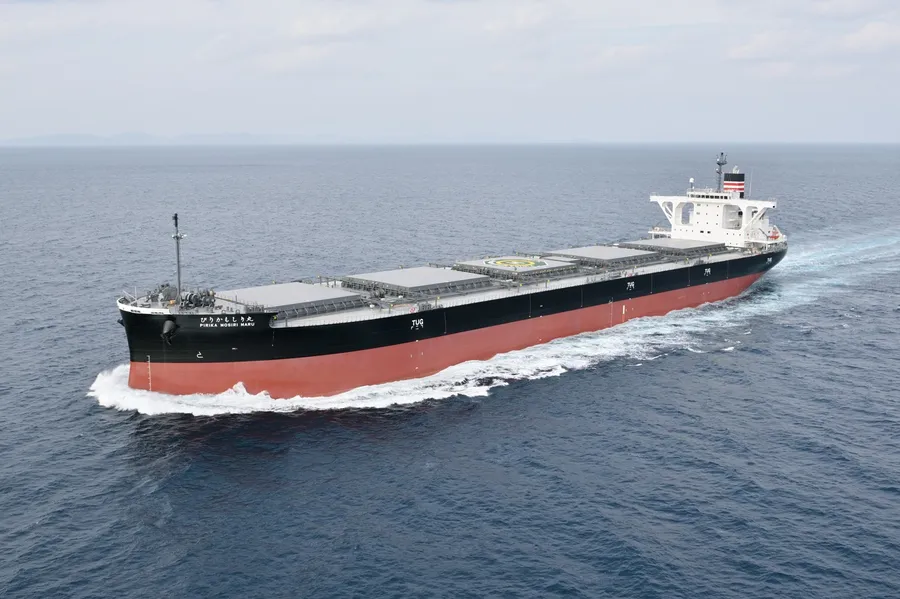
Japan's shipping industry is witnessing another major consolidation move as Nippon Yusen Kaisha (NYK) seeks greater control over its dry bulk operations. The proposed acquisition of NS United Kaiun highlights how large shipowners are strengthening scale, improving operational efficiency, and preparing for a more competitive and decarbonised future.
NYK aims for majority ownership through two-stage acquisition
Japanese shipping giant Nippon Yusen Kaisha (NYK) has announced plans to acquire a controlling stake in NS United Kaiun through a two-step transaction valued at nearly US$1 billion, ultimately increasing its ownership to 83.33% and taking the company private.
Under the first phase, NYK will launch a tender offer of ¥10,600 per share for up to 11.38 million shares, covering the entire stake held by shareholders other than NYK, Nippon Steel, and NS United's treasury stock. The offer is worth approximately ¥120.6 billion (US$765 million) and represents a 36.95% premium over NS United's closing share price on 30 July.
NS United's board has endorsed the proposal and intends to recommend that shareholders accept the offer once it officially opens.
The second phase will involve NS United repurchasing 4.72 million shares from Nippon Steel for approximately US$230 million. Once completed, Nippon Steel's ownership will decline from 33.36% to 16.67%, while NYK's stake is expected to increase from 18.55% to 83.33%.
Together, both transactions are valued at around ¥156.9 billion (US$992 million).
If NYK does not acquire all outstanding shares through the tender process, the remaining minority shareholders are expected to be bought out through follow-up procedures, allowing NS United to be delisted from the Tokyo Stock Exchange.
The acquisition is expected to begin in late November or December, subject to regulatory approvals in Japan, Australia, China, and Brazil, with the privatisation process targeted for completion by mid-April 2027.
Building a stronger dry bulk fleet
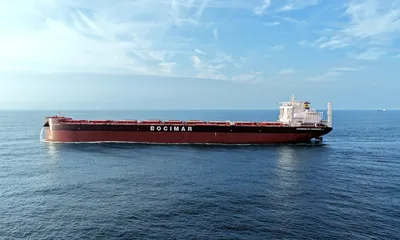
NS United operates a fleet of around 210 vessels, including approximately 130 oceangoing ships and 80 coastal vessels. Its business is heavily focused on transporting iron ore, coking coal, and other steel-related cargoes, making it an important player in the global dry bulk market.
NYK, which manages more than 900 vessels across its group, including over 400 dry bulk ships, believes bringing NS United fully into the organisation will create operational synergies. The company expects benefits from more efficient vessel deployment, lower procurement costs for fuel and vessels, improved financing opportunities, and stronger relationships with customers in the steel sector.
The move also aligns with NS United's fleet renewal strategy. Earlier this year, the company signed long-term charter agreements with Rio Tinto for two 209,000 dwt methanol dual-fuel Newcastlemax bulk carriers, scheduled for delivery from 2028, reinforcing its commitment to lower-emission shipping.
This latest acquisition follows NYK's broader expansion strategy in the dry bulk sector. In recent months, the company completed the acquisition of Saga Welco, an operator of 48 open-hatch vessels, and established NYK Bulkship Partners by merging Asahi Shipping, Hachiuma Steamship, and Mitsubishi Ore Transport.
Why this matters
- Dry bulk consolidation is accelerating, with major operators seeking greater scale and operational efficiency in a competitive market.
- Integrated fleet management can improve vessel utilisation, reduce procurement costs, and strengthen long-term profitability.
- Investment in methanol dual-fuel bulk carriers shows that decarbonisation remains a priority, even as companies pursue mergers and acquisitions.
- For charterers and shipowners, larger, more integrated operators may offer improved service reliability and stronger commercial partnerships.
Conclusion
NYK's planned acquisition of NS United marks another significant step in the consolidation of the global dry bulk sector. By combining larger fleet operations with continued investment in low-emission vessels, the company is positioning itself for a future where efficiency, scale, and sustainability increasingly define maritime competitiveness.
Source: splash247
Related Articles