JNPA’s $70 Million Shore Power Project Could Set a New Course for Indian Ports
Jawaharlal Nehru Port Authority (JNPA) is moving ahead with a major shore power project backed by $70 million from the International Finance Corporation (IFC). The initiative aims to let ships use electricity from the port while alongside, reducing the need to keep auxiliary diesel engines running.
For Indian shipping, the project is significant not only for emissions reduction but also because it could demonstrate whether shore power can work commercially at scale in the country.
Bringing shore power to a major Indian container port
JNPA and IFC describe the initiative as India’s first blue financing framework for the maritime sector. JNPA also says it is the first labelled blue financing for port infrastructure in the Asia-Pacific region and among the first initiatives aligned with the blue finance guidelines under the Indian Ports Act, 2025.
Shore power — sometimes called cold ironing — allows a vessel at berth to connect to the local electricity grid and shut down its onboard diesel generators. For ships spending significant time alongside, this can reduce both fuel consumption and emissions around port areas.
While the technology is established in several international ports, commercial-scale deployment has yet to become widespread at major Indian ports. JNPA sees the IFC-backed project as a way to build operational experience while managing the risks associated with introducing a new port-side system.
The port authority estimates that the project could reduce carbon emissions by 63% and harmful air pollution by up to 90%, while generating more than 400 jobs.
More than an equipment upgrade
The financing model is potentially as important as the shore power infrastructure itself.
JNPA says IFC's long-term financing will help address the early-stage commercial and operational challenges involved in deploying shore power. If the system performs successfully, the experience could provide a reference model for other Indian ports considering similar investments.
IFC has also supported JNPA in developing a Sustainable Finance Framework, designed to help the port raise additional green and blue financing for future projects.
The initiative fits within India's broader port decarbonization strategy. The Maritime India Vision 2030 targets more competitive and environmentally sustainable ports, while the government's Harit Sagar Green Port Guidelines identify shore power as one of the measures that can reduce pollution from port operations.
A large operational test
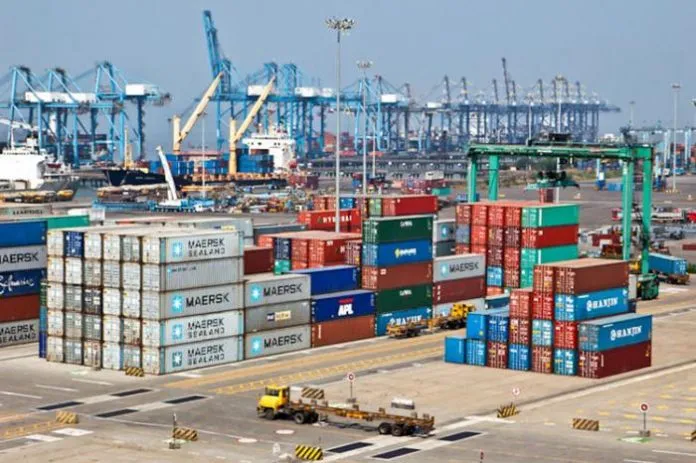
JNPA currently has five container terminals: Nhava Sheva Free Port Terminals, Nhava Sheva International Container Terminal, Nhava Sheva India Gateway Terminal, Bharat Mumbai Container Terminals and APM Terminals. It also operates facilities for general cargo, liquid cargo and coastal shipping, as well as a 277-hectare multi-product SEZ.
That makes the port a useful environment for testing how shore power works across a busy and diverse port operation.
The experience could become particularly relevant as shipping companies face increasing pressure to reduce emissions not only during voyages but also while vessels are alongside.
JNPA is simultaneously developing the ₹76,220-crore Vadhvan Port in Maharashtra, planned as an all-weather, deep-draft greenfield port and India's 13th major port. The experience gained from shore power at JNPA could therefore have relevance for future port infrastructure planning as well.
Why this matters
- For shipowners: Shore power could reduce auxiliary-engine fuel consumption and emissions during port stays, although vessel compatibility and connection requirements will be important.
- For seafarers: Greater use of shore connection systems means crews will need familiarity with new electrical, operational and safety procedures during berthing.
- For port operators: JNPA's project provides an opportunity to establish practical experience with infrastructure, vessel connections, electricity demand and commercial models.
- For India's maritime sector: A successful deployment could provide a template for financing and implementing similar projects at other major ports.
JNPA's shore power initiative is therefore about more than reducing emissions at a single port. It is an early test of whether cleaner port-side electricity can become a commercially viable part of India's maritime infrastructure.
If the model works operationally and financially, the lessons from Nhava Sheva could influence how the next generation of Indian ports is designed and powered.
Source: Business Standard
Related Articles