MacGregor Wins Major Cargo Handling Order for Six LNG-Fuelled Containerships at Cochin Shipyard
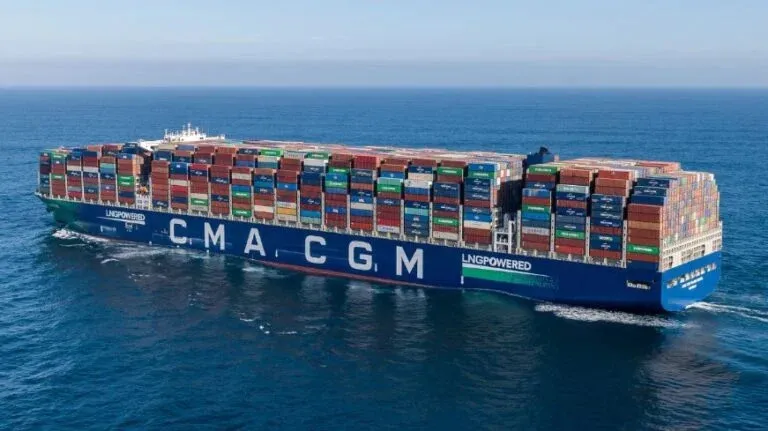
Cochin Shipyard is strengthening its position in the international newbuild market with an order for six LNG-powered containerships for CMA CGM. MacGregor will supply the vessels with an integrated package of hatch cover and cargo handling equipment.
The 1,700 TEU ships are scheduled for delivery between 2029 and 2031, marking another significant step in the expansion of India's shipbuilding capabilities.
MacGregor to Supply Complete Cargo Handling Package
MacGregor has secured the order to provide a broad range of cargo handling equipment for all six vessels. The contract was recorded in the company's second-quarter 2026 order intake.
The scope includes the design and supply of key components for the vessels' hatch covers, along with the associated steel structures and fabrication.
MacGregor will also provide equipment and design support for cell guides, deck stanchions and fixed container fittings.
Taken together, the package is intended to provide an integrated cargo-handling arrangement for the containerships, supporting efficient container operations throughout their service lives.
Six 1,700 TEU Ships for CMA CGM
The vessels are being constructed by Cochin Shipyard for French liner giant CMA CGM and will have a capacity of approximately 1,700 TEU each.
They will be powered by dual-fuel engines capable of operating on LNG. The ships are also designed with the ability to accommodate lower-carbon fuel pathways as the maritime industry moves toward tighter emissions requirements.
For CMA CGM, the newbuild programme forms part of its broader effort to modernize its fleet and reduce the carbon intensity of its operations.
The ships are expected to enter service from 2029 onwards, with deliveries continuing through 2031.
A Significant Milestone for Indian Shipbuilding
The project carries importance beyond the six vessels themselves.
CMA CGM is becoming the first major international container carrier to commission LNG-powered vessels from an Indian shipyard, according to the project announcement.
That represents a notable development for India's ambitions to expand from a predominantly domestic shipbuilding market into a more competitive global newbuild industry.
For Cochin Shipyard, securing a project of this scale with an international liner also provides an opportunity to demonstrate its ability to deliver sophisticated commercial vessels to global customers.
Local Collaboration Supports the Project
MacGregor's Indian partner, VARYA Tech Private Limited, played a role in supporting the agreement and coordination between the equipment supplier and the shipyard.
Local technical and commercial expertise can be particularly important on complex newbuild projects, where shipyard requirements, equipment integration and project schedules need to remain closely aligned.
The partnership also reflects the growing role of Indian marine engineering and technology companies in connecting global equipment manufacturers with domestic shipbuilding projects.
LNG Today, Lower-Carbon Fuels Tomorrow
The choice of LNG is significant in the context of fleet renewal.
While LNG is not a zero-carbon fuel, LNG-capable vessels can offer lower emissions than conventional marine fuels in certain operating conditions. More importantly, new ships increasingly need to be designed with future fuel and regulatory requirements in mind.
For operators, this means fuel flexibility and future-readiness are becoming increasingly important considerations when ordering new tonnage.
The six CMA CGM vessels therefore combine several trends shaping today's shipbuilding market: larger international orders moving toward Indian yards, alternative-fuel propulsion and greater integration of specialized marine equipment.
Why this matters
- For Indian shipyards: Winning work for a major global liner demonstrates that Indian yards are increasingly capable of competing for sophisticated international newbuild programmes.
- For shipowners: Integrated cargo handling systems can improve operational efficiency, safety and reliability across a vessel's working life.
- For seafarers and operators: Modern hatch covers, cell guides and container fittings are critical to safe and efficient cargo operations.
- For the wider industry: LNG-capable newbuilds highlight the continuing shift toward vessels designed around lower-carbon fuels and future regulatory requirements.
Conclusion
The six CMA CGM containerships represent an important project for both Cochin Shipyard and India's maritime manufacturing ambitions. With MacGregor supplying the cargo handling package, the programme brings together Indian shipbuilding capacity and established global marine technology for a new generation of lower-carbon vessels.
As more international owners look toward Indian yards, projects like this could help establish India as a more significant player in the global commercial shipbuilding market.
Source: gCaptain
Related Articles