Klaipeda Plans Green Methanol Bunkering Vessel as Baltic Fuel Demand Grows
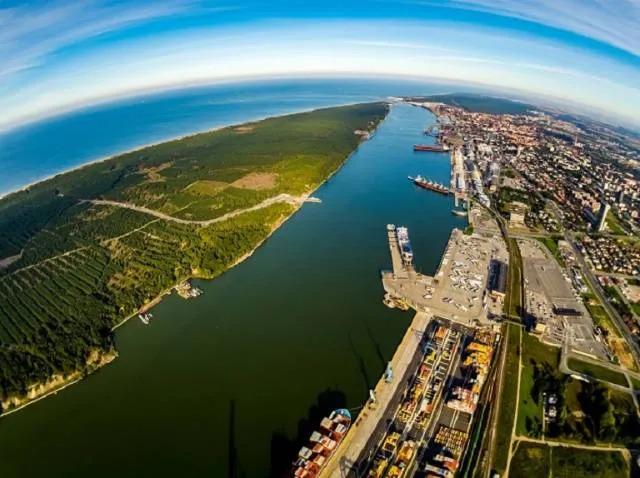
The Port of Klaipėda in Lithuania is preparing for a potential rise in green methanol demand by developing a dedicated bunkering vessel concept.
Designed to carry 800 tonnes of green methanol and potentially deliver up to 250,000 tonnes annually, the proposed vessel could give the Baltic port a flexible option for supplying alternative fuel to ships.
Dedicated Vessel for Local Methanol Bunkering
The concept was developed as part of the H2Deri@BSP project, which examines hydrogen-based fuels and pathways toward zero-emission shipping.
As part of the project, the Klaipėda Port Authority assessed the future market for green methanol, including expected demand, regulations, potential customers, supply-chain requirements and environmental benefits.
Research conducted by Moffatt & Nichol Baltics indicates that the Baltic green methanol market remains relatively immature. However, the study also points to an opportunity for ports that establish alternative-fuel infrastructure early as shipping companies begin planning their future fuel strategies.
The proposed bunkering vessel was designed by Western Baltic Engineering, part of Western Shipyard Group.
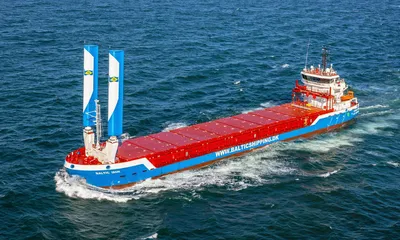
Unlike a large ocean-going tanker, the vessel would be optimized for shallow-water operations and local bunkering, allowing it to move fuel within the port and surrounding maritime area and deliver directly to ships.
800 Tonnes per Bunkering Vessel
The proposed vessel would have a storage capacity of approximately 800 tonnes of green methanol.
According to the concept, its operational model could support the supply of up to 250,000 tonnes of methanol per year.
The ability to bunker from a dedicated vessel rather than relying exclusively on fixed terminal infrastructure could provide additional flexibility as demand develops.
This could be particularly useful in a market where methanol-fuelled vessels are expected to appear gradually rather than arrive in large numbers at once.
Klaipėda Looks Beyond Traditional Shipping Fuels
Klaipėda is already developing hydrogen-related infrastructure, including a green hydrogen production facility. The port sees potential for that hydrogen to eventually contribute to domestic green methanol production.
Potential customers identified in the study extend beyond container shipping. Regional vessels, ferries, passenger ships and offshore wind-support vessels could all become users of green methanol as alternative-fuel adoption increases.
For the port, this is also about positioning itself within emerging green shipping corridors in the Baltic Sea.
Klaipėda already has experience with methanol-fuelled shipping. X-Press Feeders’ Eco Umande has been calling at the port since 2024, providing an early example of methanol-powered container shipping operating in the region.
The port has also entered into cooperation with other ports to encourage the development of green methanol bunkering infrastructure.
Building Infrastructure Before Demand Peaks
The key question for Klaipėda will be timing.
Green methanol bunkering infrastructure requires investment in storage, handling, safety systems, supply logistics and trained personnel. At the same time, shipowners need confidence that alternative fuel will be available at the ports where their vessels trade.
Developing the bunkering vessel concept now could therefore help Klaipėda address one side of that equation before demand becomes widespread.
For operators, the emergence of additional methanol bunkering locations could make it easier to plan voyages for methanol-capable vessels and support wider adoption of alternative marine fuels.
Why this matters
- Fuel availability will influence fleet decisions: Shipowners investing in methanol-capable vessels need reliable bunkering networks across their trading routes.
- Mobile bunkering adds flexibility: A dedicated bunkering vessel can potentially serve multiple locations and vessels without depending entirely on fixed infrastructure.
- Baltic ports are positioning early: Establishing alternative-fuel capabilities could help ports compete for future green shipping corridors and vessel calls.
- Methanol demand is broadening: Container ships are only one part of the potential market, with ferries, passenger vessels and offshore support vessels also likely users.
Klaipėda’s proposal shows that the green-fuel transition is not only about building cleaner ships—it also requires a new bunkering ecosystem behind them.
As methanol-capable fleets expand, ports that prepare fuel supply infrastructure early could gain a meaningful advantage in the next phase of Baltic shipping.
Source: Container News
Related Articles