Norway Moves Nuclear-Powered Shipping Closer to Reality with Full-Scale Marine Propulsion Trials
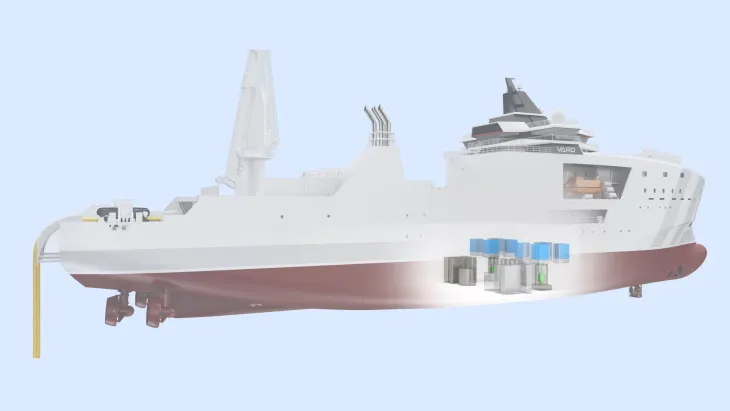
Norway is preparing to take maritime nuclear propulsion from engineering research into full-scale system testing, with the first vessel installation targeted for 2031–32. A consortium involving shipbuilder Vard, offshore operator Island Offshore and reactor developer Emerald Nuclear Norway is developing an integrated propulsion system intended to provide reliable, high-capacity power for commercial offshore vessels.
The initiative reflects growing interest in nuclear technology as a potential long-term alternative for ships requiring substantial power and extended operational endurance.
Full-Scale Nuclear Propulsion Testing Planned for 2027
The Marine Nuclear Propulsion System (MarNuPS) project, led by Emerald Nuclear Norway, is preparing to establish a full-scale test facility at Stette, near Ålesund, Norway.
The facility is scheduled to begin testing in 2027, marking an important transition from theoretical development and engineering studies towards physical system integration.
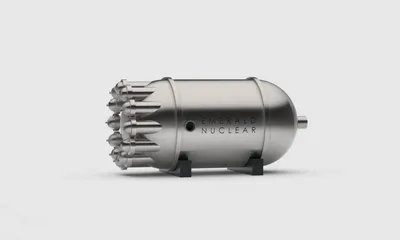
At the centre of the project is Emerald Nuclear's 5 MW electric Gem Microreactor, designed for maritime applications.
The proposed arrangement will integrate several major shipboard systems, including:
- Nuclear reactor technology and power generation.
- Energy storage and electrical power conversion.
- Vessel power management systems.
- Automation and control architecture.
- Bridge control and crew interfaces.
Rather than introducing nuclear fuel during the initial trials, engineers will use electric heating to simulate the reactor's thermal operation.
This approach will allow the consortium to examine how the different components interact under operating conditions representative of an offshore vessel.
Testing will cover normal operations, sudden changes in electrical demand, system stress conditions, emergency responses and crew interaction.
The objective is to establish whether the integrated system can deliver the reliability and operational flexibility required for commercial maritime applications.
Vard and Island Offshore Bring Shipboard Expertise
The project brings together organisations with expertise across vessel construction, electrical engineering, reactor technology and offshore operations.
Vard Group will contribute ship design and system integration expertise, while Vard Electro will focus on electrical power management and automation.
Island Offshore will provide operational experience from the offshore vessel sector and intends to become the first shipowner to install the proposed technology aboard a vessel.
Other consortium members include the Norwegian University of Science and Technology (NTNU), Imperial College London and engineering specialist Maskindynamikk.
The collaboration is particularly important because nuclear propulsion requires more than a reactor capable of generating electricity. Its successful application depends on integrating power generation with vessel design, machinery systems, safety arrangements and operational procedures.
Building on Earlier Norwegian Nuclear Research
MarNuPS is not an isolated research initiative. It builds on previous Norwegian work examining the feasibility of nuclear propulsion in commercial shipping, particularly the NTNU-led NuProShip research programme.
Earlier this year, Vard presented a nuclear-powered offshore construction vessel concept developed through NuProShip II.
That work examined reactor integration, vessel operational requirements and safety considerations, providing an engineering foundation for the latest development.
The current project has received NOK 20 million (approximately $2 million) in initial funding from the Research Council of Norway.
Its first development stage is expected to require approximately NOK 150 million ($15.6 million), including financial contributions from participating partners.
While the consortium is targeting a first vessel installation in 2031–32, this remains a development objective rather than a confirmed commercial deployment. Technical qualification, regulatory approvals and nuclear safety requirements will determine whether the project can reach that milestone.
Why This Matters
- For shipowners and offshore operators: Nuclear propulsion could eventually provide an alternative for vessels requiring high power output and extended operating endurance without conventional fuel consumption.
- For marine engineers: Integrating nuclear power with electrical propulsion and automation will introduce new technical requirements involving power management, system monitoring, emergency procedures and specialised maintenance.
- For seafarers: Future nuclear-powered vessels would require dedicated training, revised operating procedures and a strong understanding of nuclear safety. Engine department responsibilities could evolve significantly.
- For the maritime industry: Successful development could open new possibilities for low-carbon offshore operations and influence the long-term direction of commercial vessel propulsion.
Conclusion
Norway's MarNuPS initiative represents another significant step towards testing nuclear propulsion in a practical maritime environment.
With full-scale system trials planned for 2027 and vessel installation targeted for 2031–32, the industry's attention will now turn to technical reliability, regulatory approval and the commercial feasibility of nuclear-powered ships.
Source: splash247
Related Articles