Jetty-Free LNG System to Support Bahamas Power Transition
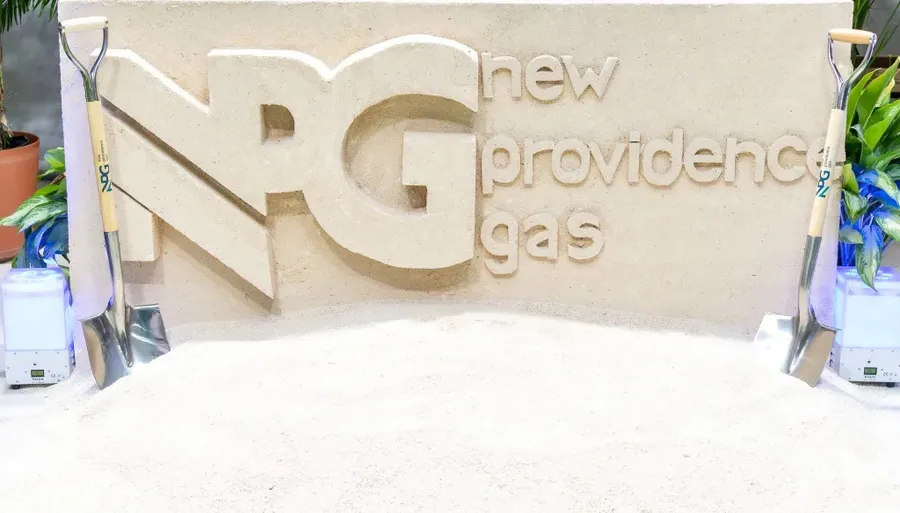
A new marine LNG transfer project in The Bahamas is taking a different approach to terminal infrastructure. ECOnnect Energy has reached an agreement with New Providence Gas Ltd (NPG) to deploy a floating LNG transfer system that can connect ships to an onshore terminal without requiring a conventional fixed jetty.
For an island nation, where coastal construction can be expensive, disruptive and time-consuming, the approach could offer a faster route to LNG imports while keeping future fuel options open.
LNG transfer without a fixed jetty
Under the agreement, ECOnnect will deploy its IQuay™ C-Class system for the New Providence LNG project. The floating solution will allow LNG carriers to transfer cargo to an onshore facility through a marine connection rather than relying on a permanent jetty.
The system, named La Santa Maria for this project, uses flexible insulated floating pipelines to move LNG between the vessel and the onshore pipeline network.
The arrangement reduces the need for extensive marine construction, including piling and seabed works. It can therefore help shorten project development timelines while limiting the physical footprint around the coastline.
For ports and coastal infrastructure planners, this is an increasingly relevant consideration as new energy terminals face pressure to balance speed of deployment with environmental and permitting requirements.
Supporting a shift away from fuel oil
The Bahamas currently depends heavily on imported fuel oil and diesel for electricity generation. That leaves power costs exposed to fluctuations in international oil prices.
The New Providence project is intended to provide a more reliable fuel supply for power generation while improving efficiency and reducing emissions and local air pollutants compared with heavier conventional fuels.
NPG is a joint venture between Shell Bahamas Power Company Inc. and Sun Oil Holdings Ltd, with Sun Oil operating as part of FOCOL Holdings Ltd. The government has selected NPG to develop the terminal and arrange the LNG supply and associated infrastructure.
The project is therefore not simply an LNG import development. It forms part of a wider effort to modernise the country's power system and improve energy security.
A floating alternative to traditional terminal construction
Traditional LNG import terminals can require substantial coastal infrastructure, including fixed jetties, marine piling, seabed preparation and lengthy permitting processes.
ECOnnect's approach moves much of that infrastructure offshore.
The floating transfer system connects an LNG carrier or floating storage unit to an onshore pipeline. LNG can then be transferred to onshore storage facilities without the same level of permanent marine construction.
Another advantage is modularity. The C-Class system is designed to be delivered largely as a complete unit, reducing the amount of construction required at the project site. Its configuration can also be modified or relocated if energy requirements change.
Looking beyond LNG
Although LNG is the initial application in The Bahamas, ECOnnect has designed the C-Class platform with other energy carriers in mind.
The company says its modular architecture can potentially support ammonia and CO₂ infrastructure as those markets develop. That could become important for island energy systems, where building completely new marine infrastructure for every fuel transition may be commercially difficult.
ECOnnect already has marine energy transfer systems operating in Europe and South America. The Bahamas project will be the company's second project in the Caribbean, expanding its regional footprint.
Why this matters
- For ship and terminal operators: Floating transfer systems can provide an alternative to costly fixed-jetties, particularly where port infrastructure is limited.
- For coastal communities: Reduced seabed intervention and construction activity can help minimise the physical impact of new energy infrastructure.
- For maritime professionals: The project demonstrates how LNG carriers, floating infrastructure and onshore storage can be integrated into a flexible terminal model.
- For the energy transition: Infrastructure that can potentially be adapted for ammonia or CO₂ could reduce the need for completely new marine facilities as fuel systems evolve.
Conclusion
The Bahamas project illustrates how floating marine infrastructure is changing the way island markets can approach energy imports. Instead of building a large permanent terminal from the outset, modular transfer technology offers a potentially faster and more adaptable route to new energy supply.
Source: Container News
Related Articles