INS Mahendragiri Joins Indian Navy, Strengthening Indigenous Naval Capability in the Indo-Pacific
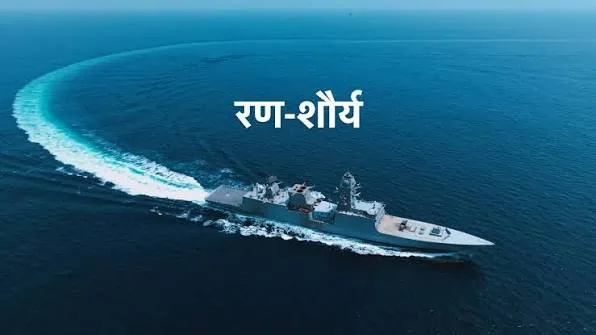
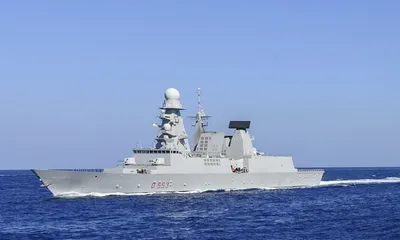
India has commissioned the stealth guided missile frigate INS Mahendragiri, adding another advanced warship to its growing naval fleet. The induction reinforces the country's focus on self-reliance in defence manufacturing while enhancing its operational readiness across the strategically important Indo-Pacific region.
The Indian Navy officially inducted INS Mahendragiri (F-38) into service at the Naval Dockyard in Visakhapatnam on 11 July, with Defence Minister Rajnath Singh presiding over the commissioning ceremony.
Named after the Mahendragiri mountain range in the Eastern Ghats along the Odisha–Andhra Pradesh border, the frigate continues the Navy's tradition of naming warships after significant geographical landmarks that reflect India's heritage and resilience.
INS Mahendragiri is the latest Nilgiri-class stealth guided missile frigate developed under Project 17A. Designed by the Indian Navy's Warship Design Bureau (WDB) and constructed by Mazagon Dock Shipbuilders Limited (MDL) in Mumbai, the vessel incorporates more than 75% indigenous equipment and technology, underscoring India's commitment to the Aatmanirbhar Bharat initiative.
The commissioning marks another milestone in the Navy's fleet expansion. With INS Mahendragiri entering service, the number of naval vessels inducted over the past year has exceeded 18, with a similar number expected to join the fleet during 2026.
Built for modern naval operations, the frigate is designed to undertake a wide range of missions, including anti-air warfare, anti-surface warfare, anti-submarine warfare, maritime security patrols, surveillance operations, long-range deployments, humanitarian assistance and disaster relief (HADR), and search-and-rescue missions.
The vessel is equipped with advanced surface-to-air and surface-to-surface missile systems, modern radar and sensor suites, electronic warfare systems, anti-submarine weapons, and an integrated combat management system. Its stealth features reduce radar detectability, enhancing survivability and operational effectiveness in contested environments.
A high degree of onboard automation further improves operational efficiency while supporting crew safety during extended deployments.
The induction comes as maritime activity continues to increase across the Indian Ocean Region and the broader Indo-Pacific, where naval presence, maritime security, and freedom of navigation remain strategic priorities. By expanding its fleet with advanced domestically built warships, India aims to strengthen its ability to monitor sea lanes, respond to emerging threats, and safeguard regional maritime interests.
Beyond its military role, INS Mahendragiri also represents continued investment in India's domestic shipbuilding ecosystem, supporting local industries, MSMEs, and indigenous defence technology development.
Why this matters
- Maritime security in the Indo-Pacific continues to gain importance, making modern naval capabilities increasingly critical.
- India's shipbuilding industry receives a boost through greater indigenous content and domestic defence manufacturing.
- Naval professionals gain a multi-role platform capable of supporting combat operations, surveillance, HADR, and search-and-rescue missions.
- Regional shipping and maritime stakeholders benefit from enhanced maritime security and protection of key sea lanes.
Conclusion
The commissioning of INS Mahendragiri reflects India's continued investment in modern, indigenous naval capability. As strategic competition intensifies across the Indo-Pacific, advanced multi-role warships like Mahendragiri will play an increasingly important role in ensuring maritime security and operational readiness.
Source: India Today
Related Articles