Biofuel Bunker Prices Diverge as Rotterdam Sales Surge and Alternative Fuel Demand Grows
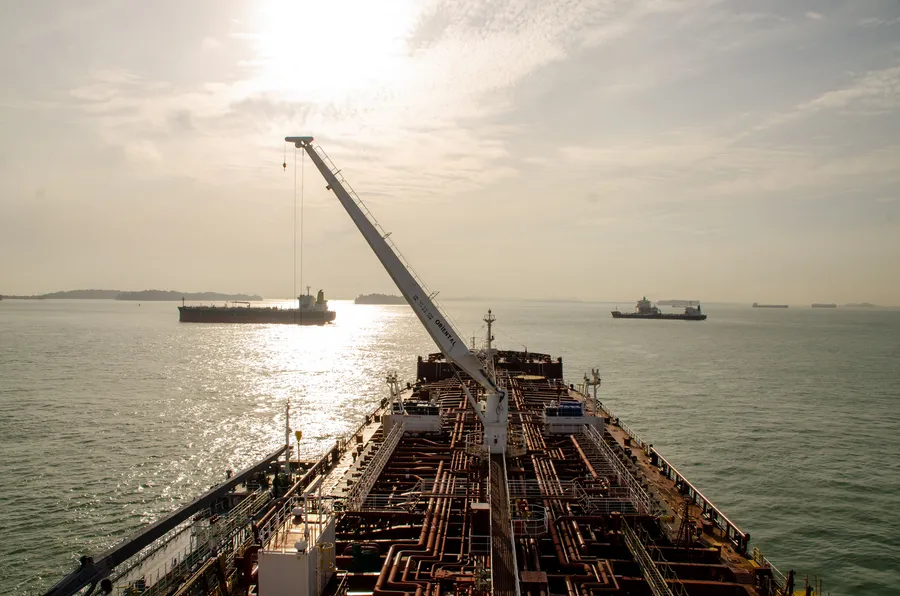
The biofuel bunker market continues to evolve as changing fossil fuel prices, new regulations, and growing demand reshape pricing across major bunkering hubs. While biofuel blends saw mixed price movements this week, Rotterdam's record sales underline the increasing role of sustainable marine fuels in global shipping.
Biofuel blends track movements in conventional bunker markets
Biofuel bunker prices recorded mixed performance across Europe and Asia during the past week, with changes in conventional marine fuel prices continuing to influence the cost of biofuel blends.
In Rotterdam, the price of B30-VLSFO (POMEME blend) declined by US$23 per ton, largely reflecting a US$17 per ton fall in the port's conventional Very Low Sulphur Fuel Oil (VLSFO) market.
By contrast, B30-LSMGO gained US$11 per tonne, supported by higher prices for conventional Low Sulphur Marine Gas Oil (LSMGO). Pure biofuel B100 also moved lower, falling US$33 per ton during the week.
Meanwhile, feedstock prices remained relatively stable. Assessments for POMEME and UCOME barge cargoes edged slightly higher, indicating that fluctuations in finished bunker blends were driven primarily by movements in conventional marine fuel markets rather than biofuel feedstocks.
Rotterdam records strong growth in biofuel bunkering
Despite softer prices, demand for biofuel bunkers continued to strengthen.
Official figures from the Port of Rotterdam show that second-quarter bio-bunker sales reached 247,000 tones, representing a 44% increase compared with the same period last year. The performance also allowed Rotterdam to overtake Singapore in quarterly biofuel bunker volumes for the first time since 2024.
Bio-VLSFO remained the dominant product, accounting for 59% of all biofuel bunker sales and approximately 8% of the port's overall bunker market.
Bunker supplier Burando Energies reported that it supplied around 30% of Rotterdam's bio-blended bunker fuel volumes during the first half of the year.
Market analysts attribute the growth to European decarbonization policies, particularly incentives introduced under the Renewable Energy Directive (RED III). Since implementing the directive earlier this year, the Netherlands has encouraged suppliers to deliver advanced low-carbon biofuels through a system of tradable ZRE A certificates, providing an additional financial incentive for cleaner marine fuels.
Reflecting this demand, ZRE A certificate prices climbed by €25 per tone of CO₂ equivalent over the week to reach €130 per tone of CO₂e.
Regional price trends remain mixed
Elsewhere in Europe, Gibraltar's B30-VLSFO price eased modestly and continued to trade at a premium over Lisbon. Lisbon's B30-LSMGO remained significantly more expensive than Rotterdam's equivalent product, while its B100 price also declined during the week.
In Singapore, biofuel prices experienced a sharper correction. The port's B30-VLSFO (UCOME blend) dropped by US$105 per tone, substantially more than the decline in conventional VLSFO prices. As a result, the price premium for bio-blended fuel narrowed considerably within a single week.
Looking beyond pricing, Brazil's National Energy Agency has opened a public consultation on proposed regulations that would permit routine marine bunkering using 100% biofuel (B100). If adopted, the proposal could further expand the use of renewable fuels in commercial shipping.
Why this matters
- Biofuel pricing continues to be influenced by conventional bunker markets, making fuel planning increasingly dynamic for ship operators.
- Rotterdam's strong sales growth highlights accelerating adoption of biofuel bunkers, driven by environmental regulations and commercial incentives.
- Policies such as RED III and tradable carbon certificates are reshaping bunker markets, encouraging suppliers to invest in lower-carbon fuel options.
- For shipowners and bunker buyers, understanding regional price trends and regulatory developments is becoming essential when planning fuel procurement and decarbonization strategies.
Conclusion
While biofuel bunker prices remain volatile, demand continues to strengthen across key global ports. With supportive regulations, expanding supply chains, and growing interest in low-carbon fuels, biofuel bunkering is becoming an increasingly important part of the maritime industry's transition toward cleaner shipping.
Source: Engine.online
Related Articles