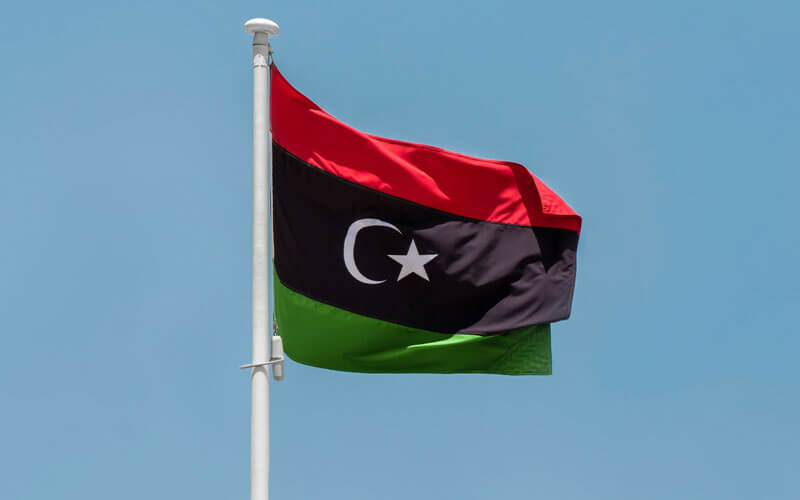
Libyan authorities have issued a renewed alert after the damaged LNG carrier Arctic Metagaz broke free from towing operations and is now drifting uncontrolled in the Mediterranean.
The vessel, heavily damaged by an explosion nearly two months ago, had been held offshore north of Benghazi. But on April 22, its towline snapped in adverse weather, leaving the wreck adrift once again — approximately 120 nautical miles from the Libyan coast.
Officials describe the situation in blunt terms: the vessel is “completely out of control.”
This is not the first time the wreck has slipped its tow. Since emergency operations began, the hulk has repeatedly broken free, highlighting the difficulty of stabilizing a structurally compromised LNG carrier in open waters. In the latest incident, the attending tug has been unable to reconnect due to technical limitations, leaving responders with few immediate options.
The drifting hazard has already crossed multiple maritime zones.
In earlier weeks, the wreck moved across central Mediterranean routes, at times nearing Italian and Maltese waters before currents pushed it south toward Libya. Concerned about offshore energy infrastructure, Libyan authorities deployed tugs to keep the vessel away from key oil and gas fields near the edge of their exclusive economic zone.
But containment has proven fragile.
The vessel remains afloat despite severe structural damage, likely due to the integrity of its internal tank systems. That same factor, however, raises concern — as there may still be residual LNG trapped onboard, alongside an estimated 1,000 tonnes of fuel.
Salvage efforts remain stalled.
Libya has explored international support, including coordination with Italy’s energy major Eni, but progress has been slowed by legal and logistical complications. Sanctions related to Russian-linked shipping have reportedly complicated the engagement of specialist salvage contractors.
Bringing the wreck into port has also been ruled out for now. Local facilities are not equipped to safely handle a damaged LNG carrier with potential gas hazards still onboard.
Responsibility is another sticking point.
Libyan officials are pushing for action from Russia as the vessel’s flag state, referencing international frameworks such as the Nairobi Wreck Removal Convention and MARPOL obligations. However, Moscow has reportedly distanced itself, arguing that jurisdiction lies with the coastal state where the wreck is drifting.
With no coordinated resolution in place, the situation remains fluid — in every sense.
For now, maritime authorities are advising vessels to maintain a minimum distance of five nautical miles and report any sightings or positional changes immediately.