Fuel Supply Disruptions Delay South Africa’s Antarctic Relief Mission
Global fuel supply pressures linked to the ongoing Iran conflict are now affecting even remote polar operations, with South Africa forced to delay its annual Marion Island relief mission. The incident highlights how geopolitical instability and fuel market disruptions can impact critical maritime logistics far beyond commercial shipping routes.
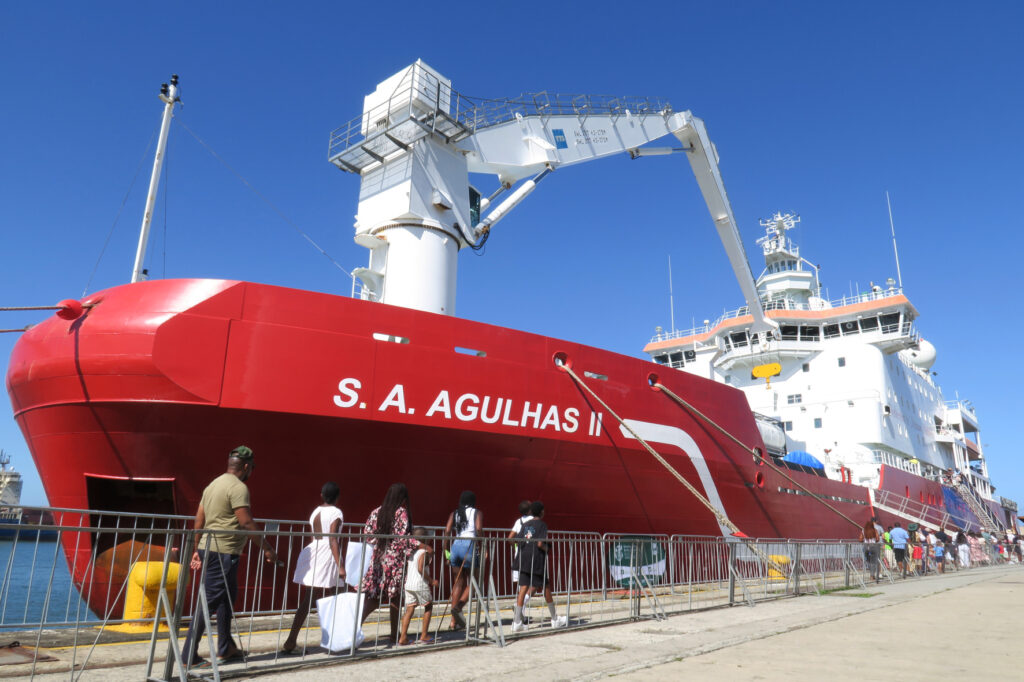
South Africa’s annual resupply mission to Marion Island in the Southern Ocean has been delayed after late deliveries of specialized polar diesel disrupted operations for the research vessel SA Agulhas II. According to South Africa’s Department of Forestry, Fisheries and Environment, the vessel was originally scheduled to depart on April 9, but the required fuel shipment only arrived on May 1 following weeks of delays tied to tightening global fuel availability. The icebreaker relies on a special low-temperature fuel grade designed for extreme polar conditions, preventing freezing and crystallization during Antarctic operations. The relief voyage is critical for supplying the Marion Island research station with fuel, food, scientific equipment, and replacement personnel. Officials warned that further delays could have impacted diesel reserves at the remote base, although backup petrol generators remain available if required. Located around 1,242 miles southeast of Cape Town, Marion Island supports South African and international climate, oceanography, and Antarctic research programs. The delay also underscores South Africa’s strategic role in Antarctic research. A recent study led by Umeå University ranked South African institutions among the world’s leading contributors to high-quality Antarctic and Southern Ocean research, ahead of several globally recognized Western universities in citation-based performance metrics.
Why This Matters
Fuel supply disruptions are increasingly impacting specialized maritime operations beyond traditional commercial shipping.
Polar logistics depend heavily on niche fuel availability and precise voyage scheduling.
Research and scientific support vessels remain vulnerable to geopolitical instability and energy market volatility.
Antarctic operations continue to hold growing geopolitical and scientific importance for nations worldwide.
The delayed Marion Island mission shows how global energy disruptions can ripple into even the most remote maritime operations. For the shipping and offshore sectors, it is another reminder that fuel security and supply chain resilience are becoming critical operational priorities across all areas of maritime activity.