For years, green hydrogen was seen as the cornerstone of shipping’s decarbonization strategy. Today, that optimism has settled into a more grounded reality: sectors like shipping, aviation, and heavy industry will need hydrogen-based fuels — but scaling them is proving far more complex than expected.
At the heart of the issue is a classic deadlock. Fuel producers are reluctant to invest without guaranteed long-term buyers. At the same time, shipowners are unwilling to commit to expensive fuel contracts that don’t yet have reliable supply chains. The result is a self-reinforcing cycle slowing the entire transition.
Meanwhile, vessel technology has moved ahead. Dual-fuel ships capable of running on ammonia or methanol are already entering service, designed to switch seamlessly from conventional fuels when alternatives become viable. From an engineering standpoint, the industry is preparing for the future. From a fuel perspective, that future isn’t arriving fast enough.
The scale of the challenge is difficult to ignore. To meet net zero targets by 2050, shipping alone could require up to 150 million tonnes of green hydrogen annually. Across all hard-to-abate sectors, demand may reach 600 million tonnes — backed by an estimated $9 trillion in investment. For shipping, that translates into trillions in upfront commitments for fuels that are still years away from widespread availability.
This gap is not just about cost — it’s structural.
Shipping is currently juggling multiple fuel pathways: LNG, biofuels, conventional oil, and emerging synthetic options. While this diversification reduces risk in the short term, it fragments investment and prevents any single solution from scaling efficiently.
Geography adds another complication. Hydrogen production is expected to be concentrated in a limited number of large-scale hubs. But shipping operates globally, with vessels trading across thousands of ports. A future where fuel is only available at select locations could disrupt routing flexibility — a core principle of maritime trade.
Then there’s the financial model. Shipping has always depended on access to the lowest-cost fuel available worldwide. Synthetic fuels, however, require long-term contracts at significantly higher prices — a shift that challenges traditional commercial strategies.
Regulation, often seen as shipping’s strength, is also part of the equation. Global carbon pricing could create a level playing field, but it requires broad international agreement. Without it, uncertainty continues to delay both fuel production and adoption.
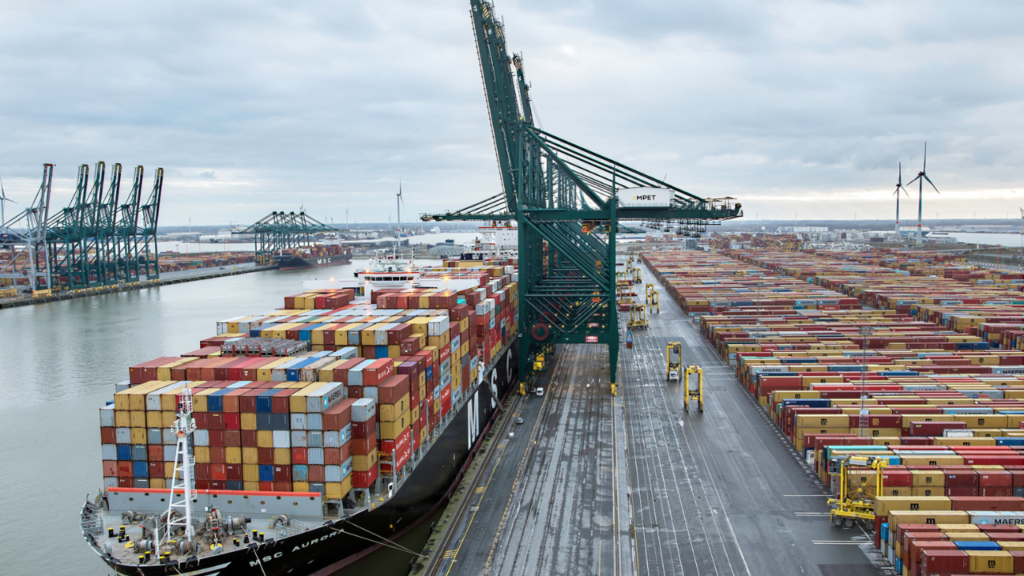
Ports, too, are under pressure. Many lack the infrastructure, power supply, and trained workforce to handle new fuel types. Investing in bunkering systems without clear demand signals is a risk most port operators are not yet willing to take.
Put together, these factors form a tightly linked system where progress in one area depends on movement in all others — and right now, that coordination is missing.