Wartsila to Power Grimaldi’s Next-Generation Ferries with Flexible and Hybrid Propulsion Systems
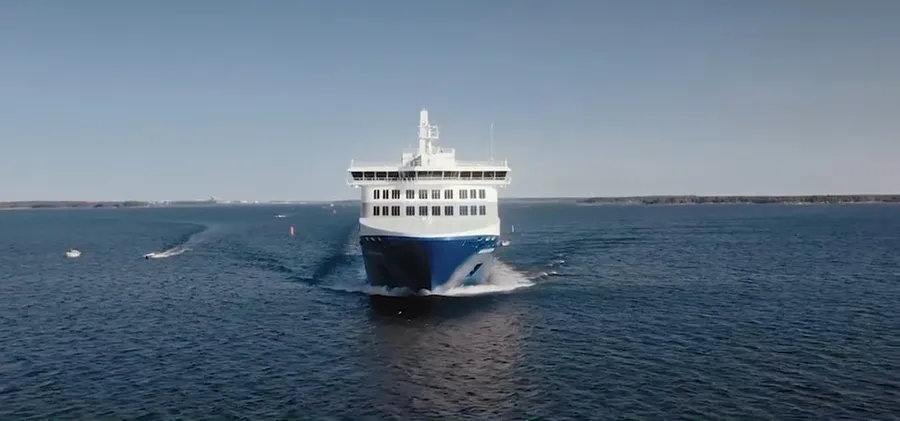
As ferry operators prepare for a stricter emissions landscape, vessel design is increasingly focused on flexibility and efficiency. Wartsila's latest agreement with Grimaldi Group reflects this shift by equipping a new generation of ferries with propulsion technologies that can adapt to future fuel choices while improving operational performance from day one.
Wartsila Secures Key Role in Grimaldi Fleet Renewal
Technology company Wärtsilä has been selected to supply a broad range of propulsion solutions for nine new RoPax ferries being built for Grimaldi Group at China Merchants Shipbuilding Industry Group Weihai Shipyard. The vessels form a major part of Grimaldi’s ongoing fleet renewal program, which is aimed at supporting lower-emission ferry operations.
The order covers vessels for several Grimaldi brands, including four ships for Grimaldi Lines, three for Finnlines, and two for Minoan Lines. Contracts covering the engines, propulsion systems and exhaust gas scrubbers were booked during the second quarter of 2025, while the hybrid electric system for the Finnlines vessels was ordered earlier in the first quarter.
All nine ferries will be powered by Wärtsilä’s fuel-flexible, high-efficiency 46F engines. The engines are designed to deliver strong operational performance today while offering the capability to operate on sustainable fuels, including methanol, as these become more widely available. This flexibility is expected to help operators comply with evolving International Maritime Organization (IMO) decarbonization requirements without limiting future fuel options.
To further support regulatory compliance, Wärtsilä will also provide hybrid exhaust gas scrubber systems. These systems are intended to give the vessels greater operational flexibility while meeting tightening emissions standards across different trading regions. The package also includes transverse thrusters to improve maneuverability during port operations.
The three Finnlines ferries will receive an integrated hybrid electric propulsion system designed to improve energy efficiency, reduce fuel consumption and lower emissions. Wärtsilä will additionally supply twin gearboxes, two controllable pitch propellers with shaft lines, and its ProTouch remote propulsion control system. Together, these technologies are expected to optimize propulsion performance while delivering long-term operational savings.
According to Wärtsilä, the project is the result of close collaboration with Grimaldi Group from the early design phase, allowing propulsion, emissions control and lifecycle considerations to be integrated into a single solution. The company says the approach is intended to help ferry operators balance reliability, efficiency and compliance as environmental regulations continue to evolve.
The equipment will be delivered between 2026 and 2028. Once completed, the ferries will serve important European routes, including Finnlines’ Helsinki–Travemünde service between Finland and Germany, while Minoan Lines will continue connecting Greece with destinations across the Mediterranean. The program further strengthens the long-standing partnership between Wärtsilä and Grimaldi Group.
Why this matters
- Future-ready fleets: Fuel-flexible engines allow operators to transition towards alternative fuels without requiring immediate vessel replacement.
- Lower operating costs: Hybrid propulsion and integrated systems can reduce fuel consumption while improving overall efficiency.
- Regulatory confidence: Scrubber technology and flexible engine designs help ferry operators meet increasingly demanding emissions regulations.
- Better operational performance: Integrated propulsion, remote controls and maneuvering systems enhance vessel reliability and day-to-day operations.
Conclusion
Grimaldi Group’s latest newbuild program demonstrates how ferry operators are combining fuel flexibility, hybrid technology and integrated propulsion to prepare for the next phase of maritime decarbonization. For the industry, it highlights that future-ready vessels will depend not only on alternative fuels but also on smarter, more efficient propulsion systems.
Source: Hellenic Shipping News
Related Articles