U.S. Navy Awards $300 Million Contract to Expand Robotic Ship Inspections
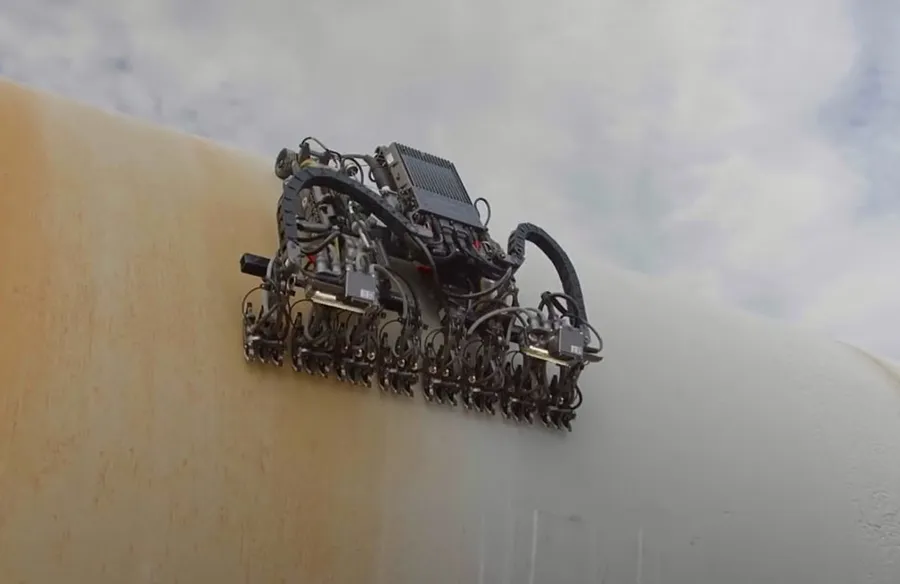
The U.S. Navy is expanding its use of robotic inspection technology through a $300 million contract with Gecko Robotics, targeting faster corrosion detection, more efficient maintenance planning and reduced shipyard turnaround times.
The agreement highlights how robotics and artificial intelligence are becoming practical tools for naval fleet maintenance. For the wider maritime industry, the technology could offer lessons in managing corrosion, improving asset condition monitoring and reducing time spent in dry dock.
Robots Aim to Cut Inspection Time from Months to Days
Pittsburgh-based Gecko Robotics has secured a $300 million indefinite-delivery, indefinite-quantity (IDIQ) contract with the U.S. Navy to support inspection and maintenance activities.
The company's robotic systems can move across steel structures, scanning surfaces to identify corrosion and other structural defects. The collected data is analysed using AI-powered tools to build detailed digital records of an asset's condition.
According to Gecko Robotics, its technology can identify structural issues on naval vessels up to 50 times faster than conventional human inspection methods. Digital inspections that might otherwise take months can potentially be completed within days.
One application involves scanning aircraft carrier flight decks through their thick nonskid coatings. By combining robotic inspection with AI analysis, the system produces detailed corrosion maps that help maintenance teams understand where intervention may be required.
These digital records can also support comparisons over time, allowing operators to monitor deterioration and make better-informed maintenance decisions.
Faster Inspections Could Improve Fleet Readiness
For the U.S. Navy, reducing the time ships spend in maintenance facilities is a major operational priority.
When inspection teams identify structural problems earlier and provide detailed condition data, shipyard planners can prepare repair work, allocate resources and organise materials before a vessel arrives for maintenance.
This can improve the use of both shipyard capacity and vessel availability. The Navy's broader objective is to maintain 80% combat surge readiness, making efficient maintenance and timely returns to service strategically important.
Gecko Robotics CEO and co-founder Jake Loosararian said the technology could generate savings of millions of dollars per ship and significantly shorten inspection periods.
However, the actual savings and time reductions will depend on vessel condition, inspection scope, repair requirements and how effectively the technology is integrated into existing maintenance procedures.
Contract Builds on Earlier Naval Work
The new agreement expands on a previous $71 million contract announced in March, covering work on 18 ships in the U.S. Pacific Fleet.
Gecko also reports that it will support nondestructive testing of submarine components at future manufacturing facilities associated with Anduril. These sites include Sparrows Point in Baltimore and Orange County, California.
The Sparrows Point facility is expected to begin operations in 2030, while work at the Orange County site is already underway.
Nondestructive testing allows components to be assessed for defects without damaging them, making it particularly valuable for safety-critical structures and equipment.
Why This Matters
- For shipowners and fleet operators: Robotic inspections could help identify corrosion earlier, improve maintenance forecasting and reduce unnecessary inspection delays. These benefits may be relevant to commercial vessels as well as naval fleets.
- For seafarers and technical teams: Better structural-condition data can help crews and shore-based engineers prioritise defects, prepare repairs and make maintenance decisions based on more complete information.
- For shipyards: Earlier identification of repair requirements can improve job planning, spare-parts availability and workforce allocation, potentially reducing unproductive time alongside or in dry dock.
- For maritime technology developers: The contract demonstrates growing institutional demand for robotics, AI and digital inspection records in asset-intensive industries where reliability and operational availability are critical.
Conclusion
The U.S. Navy's $300 million agreement with Gecko Robotics signals a growing role for automated inspections in fleet sustainment, with corrosion detection and maintenance planning at the centre of the effort.
For the broader maritime sector, the opportunity lies in using reliable inspection data to move from reactive repairs towards better-planned maintenance—while validating performance, cost savings and safety outcomes in real operating conditions.
Source: The Maritime Executive
Related Articles