Transworld Shipping Secures Shareholder Approval for $42.78 Million Containership Acquisition
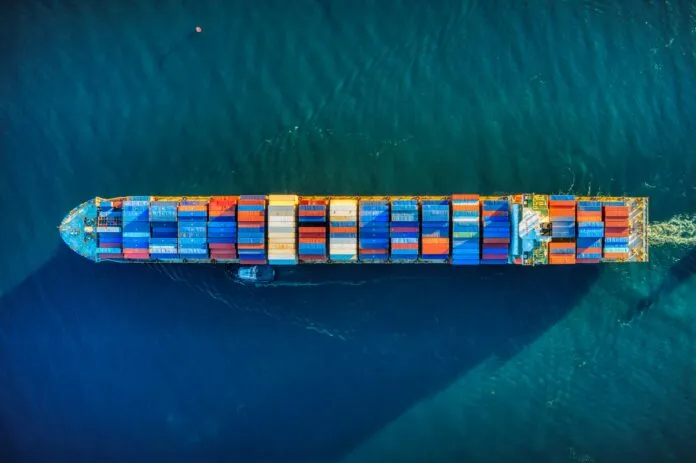
India-based Transworld Shipping Lines is moving ahead with a $42.78 million containership acquisition after securing shareholder approval for the purchase of two vessels from a company within its controlling shareholder's group. The transaction forms part of the company's broader fleet restructuring strategy, as it adjusts its exposure to container shipping and dry bulk operations.
The deal also highlights how shipping groups use internal fleet transfers and asset restructuring to reorganise vessel ownership and commercial operations.
Two Containerships to Join Transworld's Subsidiary
The Navi Mumbai-based shipping company has received shareholder approval to acquire two 2006-built containerships, OEL Surya and OEL Varun, from Orient Express Lines Inc.
The acquisition will be completed through Transworld Sea-Connect IFSC, a wholly owned subsidiary of Transworld Shipping Lines.
The vessels are valued as follows:
Vessel Capacity Acquisition value
OEL Surya 2,748 TEU $ 22.03 million
OEL Varun 2,478 TEU $ 20.75 million
Total 5,226 TEU $ 42.78 million
Both vessels are already commercially employed, meaning the buyer will acquire ships with existing commercial employment rather than having to begin the process of securing new business after delivery.
The company's board initially approved the transaction on September 7, subject to shareholder consent and other applicable regulatory approvals.
With shareholders now backing the purchase, the transaction has cleared an important corporate approval requirement.
Fleet Restructuring Continues
The latest containership acquisition follows several other transactions involving Transworld's vessel portfolio.
Earlier in October, the company agreed to acquire the 2011-built, 55,648 dwt supramax bulk carrier Saltwind Explorer for approximately $16.5 million.
In September, Transworld also agreed to sell its 2011-built bulker TBC Kailash to Mandarine Ocean for $9.25 million.
The company has additionally completed several containership disposals to Avana Logistek, which is controlled by DP World.
These transactions indicate an ongoing effort to adjust the composition and ownership structure of its shipping assets across different vessel segments.
Understanding the Ownership Structure
An important distinction in the latest transaction is that the two containerships are being acquired from an entity within Transworld's controlling shareholder group.
This means the deal represents a transfer of existing vessels between related corporate entities rather than an addition of two ships to the wider controlling group's combined fleet.
Transworld retained its shipowning and dry bulk businesses after DP World's Unifeeder acquired the group's Indian coastal and feeder operations in a transaction completed in 2021.
The latest purchase therefore needs to be viewed within the company's wider corporate restructuring rather than simply as an expansion of the group's overall shipping capacity.
Why This Matters
- For Indian shipping: The transaction demonstrates continued activity in India's privately owned commercial shipping sector and highlights the importance of domestic companies managing and restructuring their vessel portfolios.
- For shipowners and investors: Acquiring commercially employed vessels provides an existing revenue-generating asset base, although profitability will depend on charter terms, operating costs and remaining vessel life.
- For container shipping operators: The addition of approximately 5,226 TEU of vessel capacity strengthens Transworld's directly owned containership portfolio.
- For maritime professionals: Fleet restructuring and vessel transfers can influence commercial management, technical operations, crewing arrangements and the deployment of ships across affiliated companies.
Conclusion
Transworld Shipping Lines' $42.78 million acquisition marks another step in its ongoing fleet restructuring, bringing two commercially employed containerships under its wholly owned subsidiary.
Beyond the individual vessel purchase, the transaction reflects how established shipping groups are reorganising their assets and balancing exposure across container and dry bulk markets.
Source: splash247
Related Articles