Tanker Hit by Two Projectiles North of Qatar as Gulf Shipping Security Concerns Grow
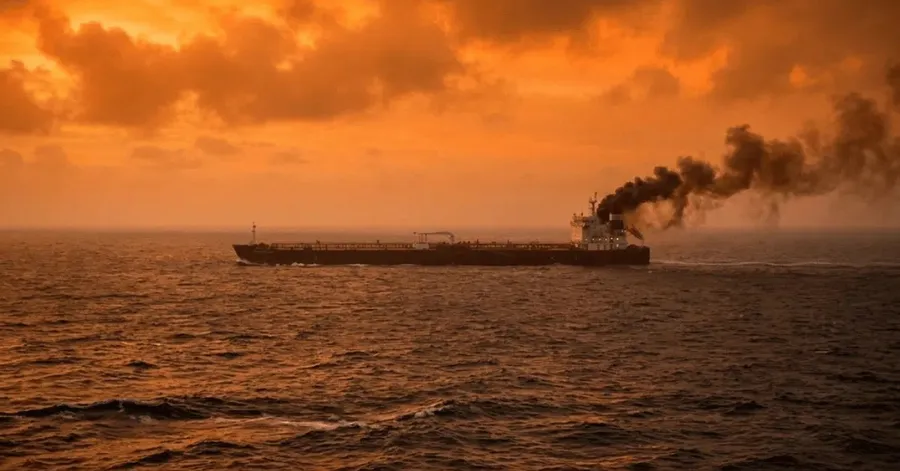
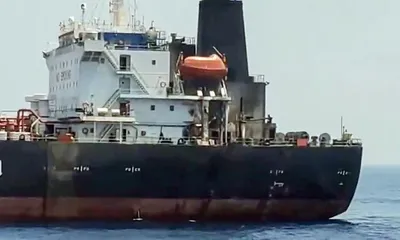
A tanker has been struck by two unidentified projectiles in waters north of Qatar, raising fresh concerns over commercial shipping safety in the Gulf amid continuing tensions between the United States and Iran.
The UK Maritime Trade Operations (UKMTO) has reported that the vessel's crew status and the extent of the damage remain unconfirmed, highlighting the operational uncertainty facing ships navigating the region.
Tanker Incident Reported North of Qatar
According to UKMTO, the tanker was struck by two unidentified projectiles at approximately 23:20 GMT on November 4.
The incident occurred around 50 nautical miles north of Madinat ash Shamal, Qatar.
In its November 5 advisory, the British maritime agency said it had received a report of the attack but could not confirm the condition of the crew or assess the full extent of the damage.
The identity of the vessel and the origin of the projectiles were not immediately disclosed.
The incident adds to security concerns for commercial vessels operating in the Gulf, a strategically important maritime region supporting global energy transportation and international trade.
For ship operators, incidents involving unidentified projectiles create immediate challenges in assessing navigational risks, maintaining crew safety and determining whether vessels should continue their planned voyages.
Qatar's Mediation Efforts Continue Amid Regional Tensions
The tanker incident comes as Qatar continues diplomatic efforts to reduce tensions between the United States and Iran.
Qatar's Foreign Ministry spokesperson said on Tuesday that both sides were reviewing proposals put forward by mediators, with discussions continuing.
The diplomatic developments highlight the complex environment facing commercial shipping in the Gulf, where regional security risks and international negotiations continue to evolve simultaneously.
For vessel operators, the uncertainty surrounding the situation reinforces the importance of monitoring security advisories and maintaining communication with relevant maritime authorities.
Previous Incident Involving LNG Carrier Al Mayeda
The latest tanker attack follows a separate incident involving Qatar's Nakilat-operated liquefied natural gas carrier Al Mayeda.
On October 30, the vessel was struck by unidentified objects while transiting the Gulf, according to Nakilat's November 1 statement.
The company confirmed that:
- No crew members were injured.
- No environmental impact was reported.
- The vessel remained safe and operational.
- The effects of the incident were being assessed.
Although the Al Mayeda incident did not result in reported injuries or environmental damage, it highlights the potential exposure of commercial vessels operating in the region to unidentified threats.
The latest tanker incident, with crew and damage assessments still pending, further underlines the importance of maritime security preparedness.
Why this matters
- For shipowners and operators: Security incidents can lead to voyage delays, increased insurance costs, changes in routing and additional operational risk assessments.
- For seafarers: Crew safety remains the immediate priority during maritime security incidents. Bridge teams and onboard personnel must be prepared to respond to unexpected threats.
- For tanker and LNG operators: The Gulf remains a critical energy transportation corridor, making security monitoring and contingency planning essential.
- For the maritime industry: Unidentified attacks reinforce the importance of timely reporting, coordinated maritime security advisories and effective communication between vessels and shore-based operators.
Conclusion
The tanker strike north of Qatar highlights the continuing security risks facing commercial shipping in the Gulf, with the vessel's crew condition and damage assessment still unresolved.
As diplomatic efforts continue, shipowners and seafarers operating in the region will need to remain alert to evolving threats and prioritise safe navigation and crew protection.
Source: Reuters
Related Articles
Deaths of Indian Seafarers Spark Demands for Greater Protection in Conflict Zones
The deaths of Indian seafarers aboard a tanker operating near Oman have triggered grief across maritime communities and renewed calls for stronger protections for civilian crews working in high-risk regions. As tensions continue to disrupt shipping in the Gulf, the incident has also intensified…