Strait of Hormuz Attacks Escalate: TARA GAS Burns Off Oman as Separate Tanker Strike Injures 11
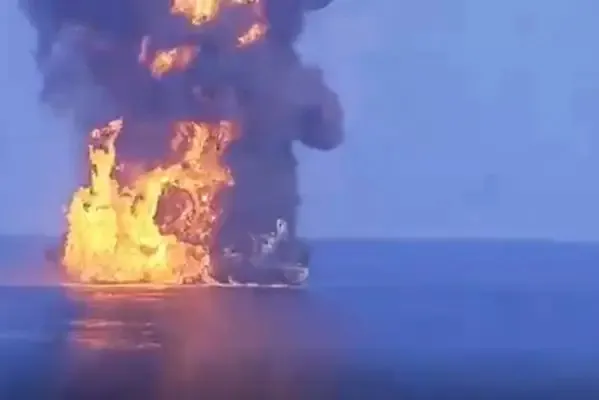
Commercial shipping in the Strait of Hormuz is facing renewed security threats after two separate tanker attacks left seafarers missing, injured and vessels damaged. The LPG carrier TARA GAS continued burning off Oman, while another tanker linked to ADNOC Logistics & Services was struck in a separate incident.
TARA GAS Remains Ablaze After Repeated Attacks
The Panama-flagged LPG tanker TARA GAS was still burning and drifting in waters off Oman on Wednesday, according to a NAVAREA IX navigational warning issued at 1500 UTC. The vessel was reported approximately 5.7 nautical miles southeast of Khawr Ghub Ali, prompting authorities to advise passing ships to maintain a safe distance.
The warning indicates that the fire remained active despite earlier reports suggesting it had been brought under control.
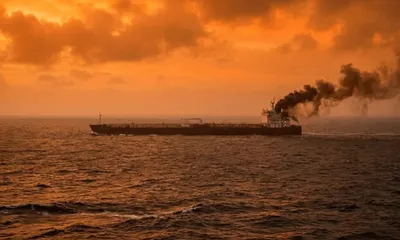
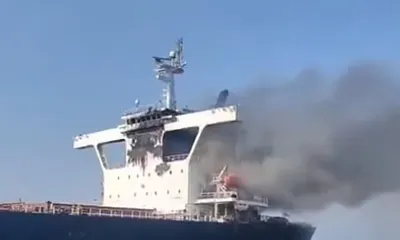
Footage independently verified by Reuters showed the tanker engulfed in flames, with heavy black smoke rising above the vessel. Reuters authenticated the location through coastal landmarks, satellite imagery and topographical information, while matching the ship's structure against previously available photographs. NASA satellite fire-detection data also identified thermal activity in the area on November 17.
The exact recording time of the footage could not be established.
The incident began on November 16, when TARA GAS was attacked approximately seven nautical miles north of Khasab, according to the UK Maritime Trade Operations (UKMTO). The strike disabled the vessel and triggered an engine-room fire.
A second attack on November 17 caused another fire, forcing the crew to abandon ship. Omani authorities rescued 24 of the 25 crew members, while one Indian seafarer remained missing. India's Ministry of External Affairs confirmed that two Indian crew members were hospitalised in Khasab.
Separate Attack on ADNOC-Linked Tanker Leaves 11 Injured
A second incident involving a tanker associated with ADNOC Logistics & Services added to the security concerns in the same waterway.
ADNOC L&S confirmed that one of its vessels came under attack while transiting the Strait of Hormuz on the evening of November 17. The company reported that 11 crew members sustained injuries, with medical treatment provided where necessary. One seafarer remained unaccounted for, while the other crew members were evacuated.
Although ADNOC did not officially disclose the vessel's identity, maritime security firm Vanguard Tech identified it as the Liberian-flagged product tanker NAVIG8 MESSI, commercially managed by ADNOC L&S.
A subsequent UKMTO report described a tanker being hit by an unidentified projectile approximately 13 nautical miles north of Khasab on November 17. The impact triggered a fire that was later extinguished. Search-and-rescue operations continued for one missing crew member, while the vessel's damage and possible environmental consequences remained undetermined.
The UKMTO report did not officially name the ship.
The reported incident also raises concerns about repeated targeting. Vanguard Tech identified NAVIG8 MESSI as one of two ADNOC vessels previously targeted by drones in the Strait of Hormuz on August 13. The other vessel was TARIF. No injuries were reported during those earlier attacks.
Why This Matters
- Crew safety remains the immediate priority: Two separate incidents have resulted in missing seafarers, injuries and emergency evacuations, highlighting the growing risks faced by crews operating in high-threat maritime corridors.
- Operational disruption for shipowners: Tanker fires, vessel abandonment and search-and-rescue operations can lead to delays, insurance complications, higher security costs and disruptions to cargo movements.
- Navigation and emergency preparedness: Ship operators must closely monitor UKMTO and NAVAREA warnings, review voyage risk assessments and ensure crews are prepared for emergency response and evacuation.
- Environmental concerns: Fires and damage involving LPG and petroleum product tankers create potential risks of pollution, cargo-related hazards and wider consequences for surrounding marine environments.
Conclusion
The attacks on TARA GAS and the ADNOC-linked tanker demonstrate the continuing vulnerability of commercial vessels transiting the Strait of Hormuz. Protecting seafarers, maintaining effective maritime security and ensuring safe passage through this strategic waterway remain urgent priorities for the global shipping industry.
Source: gCaptain
Related Articles