Hormuz Tanker Attack Injures 12 Seafarers, Eleven of Them Indian Nationals
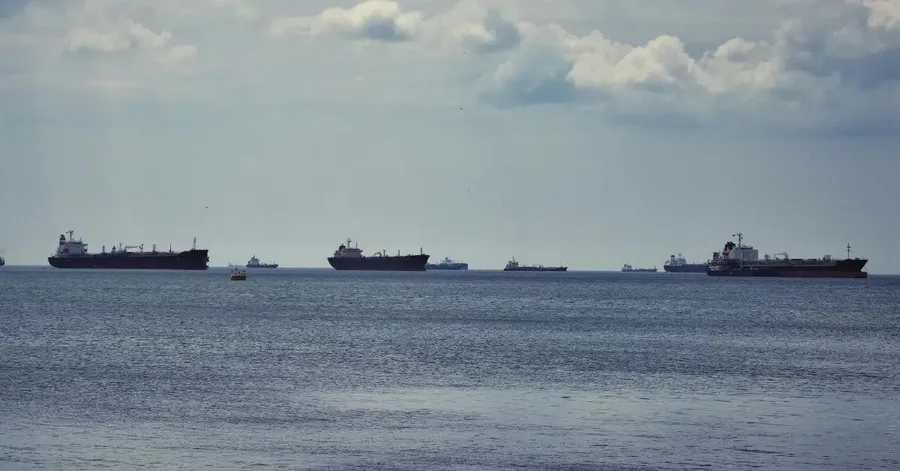
A projectile strike on the Panama-flagged tanker On Peace has left 12 crew members injured while transiting the Strait of Hormuz. The incident highlights the growing human cost of attacks on merchant shipping and the risks facing seafarers operating through one of the world’s most strategically important maritime corridors.
Attack on On Peace Leaves Indian Crew Members Injured
India’s Ministry of External Affairs confirmed that 12 seafarers were injured when the Aframax oil tanker On Peace (IMO 9893204) was hit by a projectile. The vessel was carrying 19 crew members, including 17 Indian nationals. Eleven of those injured were Indians.
With assistance from Omani authorities, the injured crew members were evacuated to Khasab for medical treatment, according to the ministry’s statement on Tuesday.
India expressed serious concern over the continuing attacks on shipping in the region and called for an immediate end to violence against merchant vessels, seafarers and civilian infrastructure. The government did not attribute the latest strike to any specific party.
Possible Link to Earlier UKMTO Reports
The incident may be connected to an attack documented by the United Kingdom Maritime Trade Operations (UKMTO) on October 5, although officials have not formally established that the reports concern the same vessel.
Under Warning 156-26, UKMTO reported that an unidentified tanker was struck by an unknown projectile at 1637 UTC while sailing through the Strait of Hormuz. The impact triggered a fire in the engine room, which the crew was attempting to extinguish when the warning was issued. No casualties or pollution were initially reported.
A second report, UKMTO Warning 157-26, described another projectile strike involving an outbound oil tanker on the same date. That incident was reported after a delay, and no crew injuries were disclosed.
The relationship between these reports and the casualties aboard On Peace remains unconfirmed.
Vessel Previously Flagged Over Hormuz Transit Rules
On Peace has also appeared on a list maintained by Iran’s Persian Gulf Strait Authority, which has accused certain vessels of breaching Iranian transit protocols. The authority has warned that listed ships could face penalties, detention or confiscation.
The vessel’s inclusion on the list provides additional context to the regional tensions, but does not establish responsibility for the attack.
The latest casualties come amid a broader increase in reported maritime security incidents around Hormuz. UKMTO issued four attack warnings and a separate advisory on Monday covering incidents dating back to October 3. Reported events included attacks involving crude oil and liquefied petroleum gas (LPG) tankers, as well as an incident in which Iran’s Islamic Revolutionary Guard Corps reportedly ordered an inbound tanker to turn back or face an attack.
Why This Matters
- Seafarer safety: The injury of 12 crew members demonstrates how quickly a commercial transit can become a medical and emergency-response operation. Engine-room fires also place crews at risk from heat, smoke and machinery-related hazards.
- Operational risk: Shipowners, operators and charterers must account for changing security conditions when assessing routes, voyage plans, insurance exposure and emergency procedures.
- Indian maritime workforce: With 11 Indian nationals injured, the incident reinforces the importance of crew welfare, timely evacuation arrangements and coordination between flag states, coastal authorities and employers.
- Freedom of navigation: Continued attacks and competing transit restrictions threaten the safe movement of merchant vessels through a corridor vital to international energy trade.
Conclusion
The attack on On Peace puts seafarer welfare back at the centre of the Hormuz security crisis, with Indian crew members bearing much of the immediate human cost. Restoring safe passage requires effective protection for merchant crews, reliable emergency coordination and an end to attacks on commercial shipping.
Source: gCaptain
Related Articles
Deaths of Indian Seafarers Spark Demands for Greater Protection in Conflict Zones
The deaths of Indian seafarers aboard a tanker operating near Oman have triggered grief across maritime communities and renewed calls for stronger protections for civilian crews working in high-risk regions. As tensions continue to disrupt shipping in the Gulf, the incident has also intensified…
Container Freight Rates Surge as Middle East Tensions Ripple Through Global Supply Chains
The impact of the ongoing Iran conflict is being felt far beyond the Middle East. Container shipping markets are experiencing a sharp rise in freight rates as carriers grapple with higher operating costs, disrupted trade flows, and mounting congestion at key Asian transshipment hubs. With the…