Sweden Clears Two Offshore Wind Projects While Tightening Approval Process
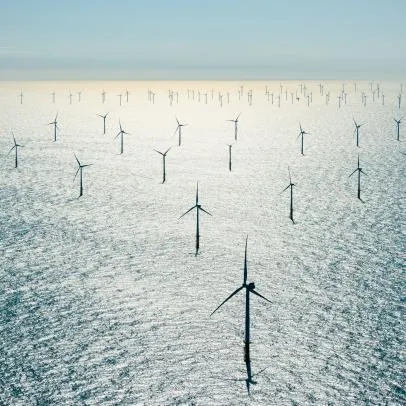
Sweden has approved two major offshore wind farms and rejected 11 others, marking a significant policy shift for the country’s offshore renewable energy sector. The decision aims to balance clean energy expansion with national security while introducing a more structured approach to future project approvals.
The Swedish government has approved the Fyrskeppet offshore wind farm in the southern Bothnian Sea and the Vidar project in the northern Skagerrak. Once operational, the two developments are expected to produce up to 19 terawatt-hours (TWh) of electricity annually, strengthening Sweden’s renewable energy capacity.
At the same time, authorities turned down applications for 11 offshore wind projects proposed across the Gulf of Bothnia, the Bothnian Sea, and Västerhavet. According to the government, these projects were considered incompatible with Sweden’s defence requirements due to their potential impact on military operations and national security.
Officials clarified that the decision does not permanently rule out offshore wind development in these regions. Instead, it reflects the need for better coordination between renewable energy expansion and other strategic national interests.
Alongside the project decisions, Sweden announced a major overhaul of its offshore wind permitting framework. The country will phase out its existing open-door application system and introduce an auction-based model for future developments.
Under the new approach, the government will first identify suitable offshore areas after evaluating factors such as defence, commercial shipping, fisheries, and environmental considerations. Developers will then compete through auctions for the right to build projects in these designated zones.
The new framework is intended to provide greater clarity for investors and developers by reducing uncertainty during the permitting process and ensuring that potential conflicts are addressed before projects are proposed.
For companies planning offshore wind investments in Scandinavia, the policy shift signals a move toward a more predictable regulatory environment after several years of permitting delays and changing approval timelines.
Why this matters
- Shipowners and offshore operators can expect clearer planning around future offshore wind installations, helping improve navigational and operational certainty.
- Renewable energy developers will need to adapt to competitive auctions instead of applying directly for project sites.
- Maritime stakeholders such as shipping, fishing, and defence authorities are likely to have a stronger role in determining where future offshore wind farms can be developed.
- Investors may benefit from a more transparent and structured approval process, potentially reducing regulatory risk for large-scale offshore projects.
Conclusion
Sweden’s latest decisions highlight the growing challenge of balancing renewable energy expansion with national security and maritime interests. By introducing an auction-based approval system, the country aims to create a more predictable path for offshore wind development while addressing competing demands on its coastal waters.
Source: splash247.com
Related Articles