South Carolina Ports Wins 160,000 Containers of New Business as Growth Strategy Gains Momentum
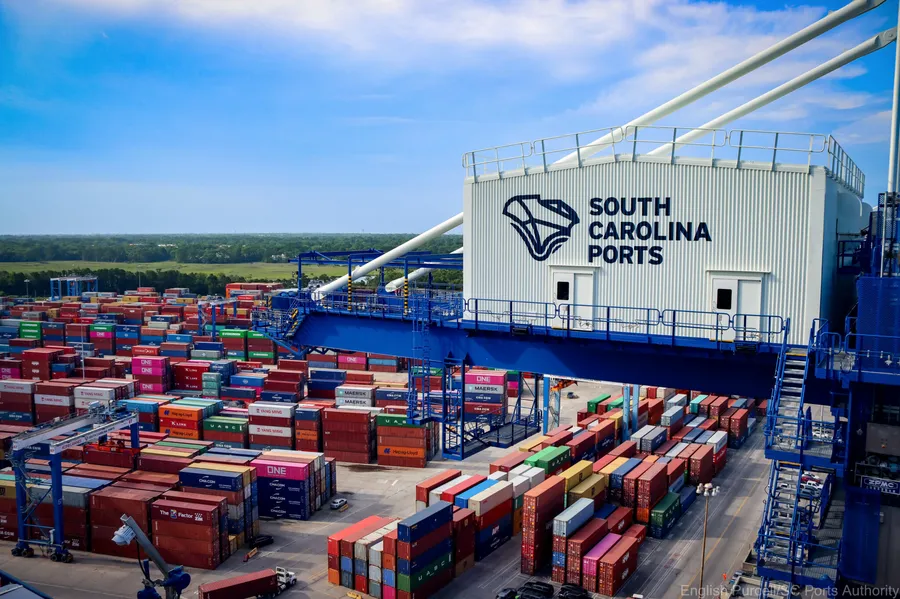
South Carolina Ports (SC Ports) is strengthening its position in the US southeastern logistics market after securing nearly 160,000 containers of new business. The commercial gains, combined with cost reductions and infrastructure investment, form part of a wider strategy to restore cargo growth and attract a more diversified customer base.
The development also highlights how competition between US ports increasingly depends on pricing, inland connectivity, terminal capacity and customer service.
New Cargo Commitments Strengthen Charleston's Position
Speaking at his second State of the Port address on 27 October, SC Ports President and CEO Micah Mallace outlined the authority's latest commercial and operational progress.
One of the major developments is the addition of nearly 160,000 containers of new business, covering retail products, consumer goods, manufacturing cargo and export commodities.
These volumes are expected to enter port operations progressively through 2027 rather than arriving immediately.
SC Ports attributes the new commitments to stronger commercial engagement, competitive pricing and improvements in customer service. Its cost-reduction programme has also delivered a reported 20% decrease in expenses, helping bring port charges closer to competing facilities.
Several major retailers and importers have selected Charleston as a gateway for distributing cargo across the southeastern United States. A new transloading facility near the port, developed for a global retailer, is another indication of growing commercial activity.
The strategy is not limited to traditional retail imports. SC Ports is also targeting advanced manufacturing and industrial cargo, creating opportunities to connect regional production facilities with international shipping networks.
Manufacturing and Inland Rail Drive Cargo Opportunities
Inland Port Greer is becoming an important part of this expansion strategy, particularly for manufacturers seeking efficient rail connections to the Port of Charleston.
In October, the facility received its first container linked to Isuzu's new commercial truck manufacturing plant in Greenville County.
This development demonstrates the importance of inland logistics facilities in supporting industrial supply chains. Manufacturers can move containerised components and finished products through rail-connected terminals rather than depending entirely on direct road transportation.
Industrial property activity is also providing additional opportunities. According to Cushman & Wakefield, approximately 5 million square feet of industrial space had been leased in the Charleston market during 2026 at the time of the announcement.
SC Ports expects further industrial development and major property leases to generate additional cargo demand.
Infrastructure Expansion to Support Long-Term Growth
To accommodate future volumes, SC Ports is progressing several infrastructure projects aimed at improving terminal productivity and inland connectivity.
Work has begun on expanding the rail-served North Charleston Terminal. The project is expected to create additional cargo opportunities in the near term while increasing container-handling capacity over time.
The port authority is also working towards resuming operations at Leatherman Terminal and advancing plans to bring the Navy Base Intermodal Facility into service.
Rail connectivity remains a central part of the strategy. Better integration between seaports, inland terminals, manufacturing centres and distribution facilities can improve cargo movement and provide customers with more flexible transportation options.
Another priority is attracting refrigerated cargo operations. By expanding its reefer capabilities alongside retail and manufacturing business, SC Ports aims to build a more balanced cargo portfolio and reduce dependence on individual market segments.
Despite the positive commercial developments, overall cargo volumes remain below previous levels. The port authority acknowledges that infrastructure projects and newly secured customer commitments require time before their full benefits appear in operational statistics.
CEO Micah Mallace believes the newly awarded business will support the port's growth over the coming years.
Why This Matters
- For shipping lines and shipowners: Additional cargo commitments could strengthen Charleston's attractiveness as a US East Coast port of call and create opportunities for greater container volumes.
- For port operators: The 20% expense reduction demonstrates how cost management, competitive pricing and customer service can influence port competitiveness.
- For logistics and supply-chain companies: Expanded rail connections and inland facilities can improve access to manufacturing centres and distribution markets across the southeastern United States.
- For maritime professionals: Growing retail, manufacturing and refrigerated cargo operations could generate additional demand for container handling, terminal operations, reefer management and logistics services.
Conclusion
South Carolina Ports is combining commercial expansion, operational cost reductions and infrastructure development to regain its growth momentum.
With nearly 160,000 containers of new business expected to enter its network through 2027, Charleston's ability to convert commercial commitments into sustained cargo growth will be the key measure of its strategy's success.
Source: Container News
Related Articles