SCI Plans $3.2 Billion Fleet Expansion, Putting India’s Shipbuilding Ambitions into Motion
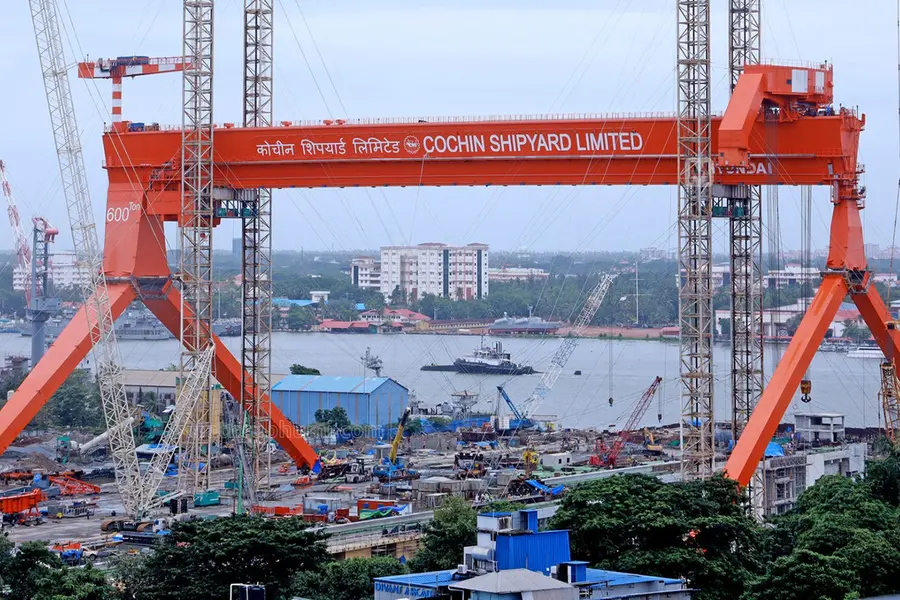
India is preparing for a major expansion of its commercial shipping fleet, with state-owned Shipping Corporation of India (SCI) planning to acquire up to 22 new vessels. The programme could become a significant catalyst for domestic shipbuilding, technology partnerships and India's ambition to strengthen its position in global maritime trade.
India is looking to turn its growing demand for commercial vessels into an opportunity to build a stronger domestic shipbuilding industry. At the centre of this initiative is Shipping Corporation of India (SCI), which has launched procurement plans covering some of the most technically demanding vessel categories in international shipping.
The proposed fleet expansion includes:
- 8 Very Large Gas Carriers (VLGCs)
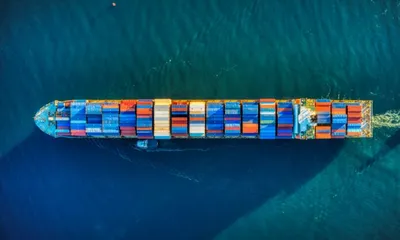
- 6 ultra-large containerships of 18,000 TEU
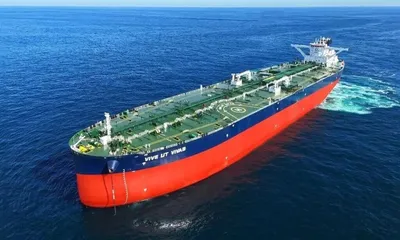
- 2 Suezmax crude oil tankers
- Up to 6 containerships of 8,000 TEU, including four optional vessels.
According to India's Economic Times, the combined newbuilding programme could reach an estimated $3.2 billion, making it one of the country's most significant state-backed commercial ship procurement initiatives.
Domestic shipyards take centre stage
Beyond expanding SCI's fleet, the programme has a wider industrial objective: bringing more shipbuilding activity to India.
The tender conditions are designed to encourage foreign shipbuilders to establish manufacturing operations in India or collaborate with domestic shipyards through technical partnerships.
Under the VLGC procurement plan, two vessels are expected to be constructed at an established overseas shipyard, while the remaining six are intended for Indian shipyards.
A similar approach applies to the 18,000-TEU containership programme, with four of the six vessels earmarked for construction in India.
For the smaller containerships and Suezmax tankers, Indian shipyards will receive the right of first refusal, allowing them to match competing foreign bids.
This procurement structure could help Indian shipyards gain access to advanced vessel designs, construction expertise and specialised manufacturing capabilities.
Bharat Container Shipping Line gets a major boost
The proposed expansion also supports India's broader ambitions in container shipping.
Four of the six 18,000-TEU containerships are intended for the proposed Bharat Container Shipping Line, an initiative aimed at strengthening India's participation in international liner shipping and reducing dependence on foreign carriers.
Separately, SCI is exploring the acquisition of up to four secondhand containerships, each with a capacity ranging from 1,500 to 2,500 TEU.
This combination of newbuildings and secondhand tonnage could help accelerate the development of India's container shipping capacity.
India's 2047 shipbuilding ambition
The procurement drive comes as India works towards becoming one of the world's five largest shipbuilding nations by 2047.
To support this objective, the government has been engaging major South Korean shipbuilding companies, including HD Hyundai, Samsung Heavy Industries and Hanwha Ocean, to explore investment opportunities and partnerships in India.
The immediate procurement timeline is already taking shape. Bids for the containerships and Suezmax tankers are expected in December 2026, followed by the VLGC tender in January 2027.
Although the vessels have not yet been formally ordered, the scale of SCI's plans signals a strategic effort to connect India's shipping requirements with the development of domestic shipbuilding capabilities.
Why This Matters
- For Indian shipyards: Domestic construction opportunities could bring advanced technology, international partnerships and greater investment into India's shipbuilding sector.
- For seafarers: A larger national fleet could create additional employment opportunities for Indian deck officers, marine engineers and other maritime professionals.
- For shipowners and operators: Increased domestic vessel availability could strengthen India's commercial shipping capacity and reduce dependence on foreign-controlled tonnage.
- For the maritime industry: Building large containerships, VLGCs and Suezmax tankers domestically would represent an important step towards developing India's high-value shipbuilding capabilities.
Conclusion
SCI's proposed $3.2 billion procurement programme is about more than acquiring additional ships; it is an attempt to build a stronger connection between India's shipping industry and domestic shipbuilding sector.
If successfully executed, the initiative could become an important foundation for India's ambition to emerge as a major global maritime and shipbuilding power by 2047.
Source: gCaptain
Related Articles