Maersk Orders 12 Mega Container Ships, Set to Become the Largest Vessels in Its Fleet
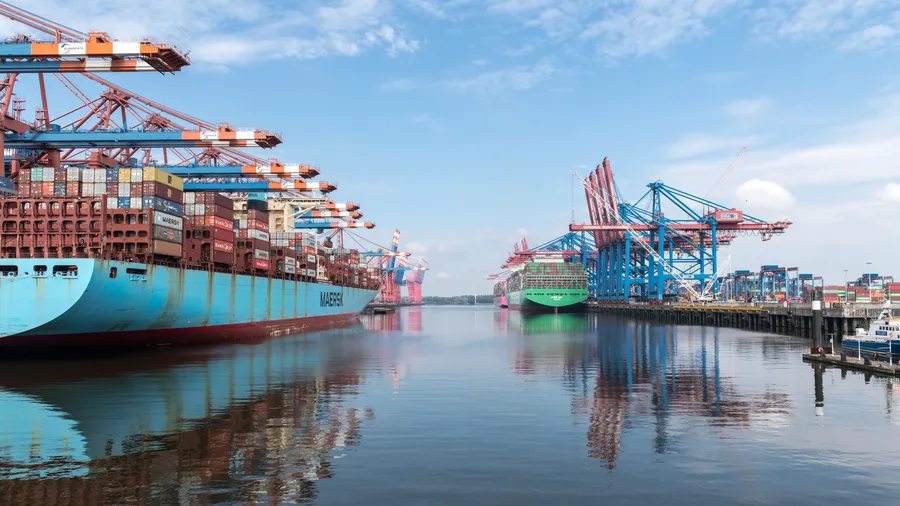
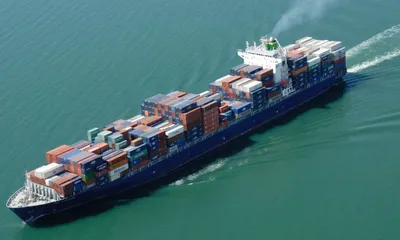
Global shipping giant Maersk is preparing for another major fleet upgrade, placing an order for 12 ultra-large containerships with a capacity of 24,000 TEU each. The new vessels, scheduled for delivery in 2030 and 2031, signal the company's continued focus on fleet modernisation, operational efficiency and large-scale container transportation.
Main Article
Maersk has committed to expanding its future fleet with 12 new ultra-large containerships, each capable of carrying approximately 24,000 twenty-foot equivalent units (TEU).
Once delivered, these vessels will become the largest ships in the company's fleet, representing a significant increase in its container-carrying capacity.
According to a company spokesperson, the vessels are scheduled to enter service between 2030 and 2031. Their substantial cargo capacity makes them suitable for deployment on high-volume shipping routes where demand for container transportation remains particularly strong.
Dual-fuel technology at the centre of the order
An important feature of the new vessels will be their dual-fuel propulsion systems.
The ships will be capable of operating on conventional marine bunker fuel or liquefied gas, providing operational flexibility in fuel selection.
This capability allows Maersk to retain conventional fuel as an option while maintaining the ability to use alternative gaseous fuels, depending on fuel availability, infrastructure and commercial considerations.
For ship operators, dual-fuel technology is increasingly becoming an important consideration when planning long-term fleet investments, particularly as the shipping industry faces growing pressure to reduce greenhouse gas emissions.
Strengthening Maersk's competitive position
The 24,000-TEU vessels are designed for Maersk's most cargo-intensive services, where deploying larger ships can help accommodate substantial container volumes.
Higher-capacity vessels can improve cargo transportation efficiency when sufficient demand exists, although their deployment also requires suitable port infrastructure, terminal equipment and careful voyage planning.
Maersk describes the order as part of its continuing fleet modernisation strategy, aimed at maintaining its competitive position in the global container shipping market.
With deliveries expected towards the end of this decade, the newbuildings will also reflect the company's longer-term approach to fleet capacity and propulsion technology.
Why This Matters
- For shipowners: The order reinforces the industry's continued investment in ultra-large containerships and high-capacity fleet development.
- For seafarers: Larger vessels and dual-fuel propulsion systems will increase the importance of specialised operational, engineering and fuel-management knowledge.
- For port operators: Ships approaching 24,000 TEU require substantial terminal capacity, advanced cargo-handling equipment and efficient port infrastructure.
- For the maritime industry: The order highlights how major shipping companies are combining fleet expansion with alternative-fuel readiness as they prepare for future environmental requirements.
Conclusion
Maersk's latest order demonstrates that ultra-large containerships will remain an important part of global liner shipping strategies through the next decade.
With 24,000-TEU capacity and dual-fuel capability, these vessels will play a significant role in shaping the company's future fleet and operational capabilities.
Source: Marine Link
Related Articles