Navios Partners Expands VLCC Programme to Seven Ships in $843.5 Million Newbuild Push
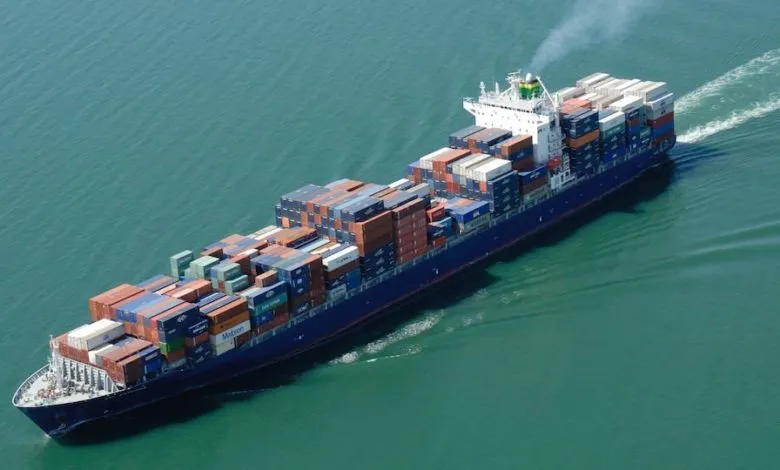
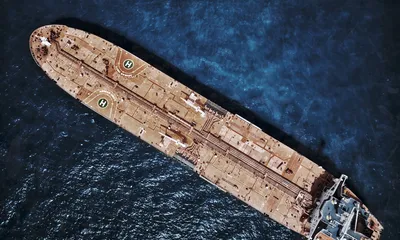
Navios Maritime Partners is significantly increasing its exposure to the VLCC market, adding three more newbuildings to a seven-ship supertanker programme now valued at approximately $843.5 million.
The latest orders, combined with long-term charter coverage, show how shipowners are using newbuild investment and forward employment to lock in revenue while positioning for future tanker demand.
Three More VLCCs Added
The New York-listed owner has agreed to acquire three scrubber-fitted VLCC newbuildings at approximately $120.5 million each, putting the combined value of the latest trio at $361.5 million.
The agreements were reached during June and July, with deliveries scheduled for the second half of 2028 and throughout 2029. The shipyard building the vessels has not been disclosed.
The three vessels join four VLCC newbuildings that Navios ordered earlier in May for approximately $482 million.
Each of those vessels has a capacity of around 319,000 dwt and is scheduled for delivery during the second half of 2028.
That brings the company's current VLCC newbuild programme to seven vessels with a total investment of about $843.5 million.
Long-Term Charters Provide Revenue Visibility
A key feature of the programme is the level of employment already attached to the vessels.
Navios says the seven VLCCs are covered by firm long-term employment arrangements, with one vessel still in advanced discussions with a potential charterer.
Across the programme, the average firm charter period is approximately 6.1 years, at an average net daily rate of $45,224.
This represents approximately $700.2 million in contracted revenue.
For an owner committing more than $800 million to new tonnage, this employment coverage provides a significant degree of revenue visibility and reduces some of the exposure normally associated with ordering ships speculatively.
Scrubbers Feature Across the Programme
The VLCCs will be fitted with exhaust gas cleaning systems, commonly known as scrubbers.
The equipment allows vessels to use compliant high-sulphur fuel oil while reducing sulphur oxide emissions to the required levels.
The investment reflects the continuing role of fuel economics in large tanker operations. For vessels expected to remain in service for decades, the ability to switch between compliant fuel options can have a material effect on operating costs depending on the spread between fuel grades.
More Capesize Tonnage Added
Navios is also continuing to expand its dry bulk fleet.
The company has agreed to add another Japanese-built capesize newbuilding under a 10-year bareboat charter arrangement.
The scrubber-equipped vessel is expected to be delivered in the second half of 2029. Its implied acquisition value is approximately $70.1 million, assuming the purchase option at the end of the charter is exercised.
The transaction follows two Japanese capesize newbuildings secured by Navios late last year, with a combined implied value of approximately $134.3 million.
Charter Backlog Reaches $4.4 Billion
The latest fleet transactions come as Navios continues to build a substantial contracted revenue base.
The company has secured another $606.3 million of contracted revenue across six tankers, four containerships and two capesizes.
Combined with its existing commitments, Navios' total charter backlog has now reached approximately $4.4 billion.
For investors and fleet planners, the backlog provides an important indicator of future revenue visibility and demonstrates the company's strategy of combining fleet expansion with long-term employment.
Fleet Renewal Continues
Navios is also reshaping its existing fleet.
The company has agreed to sell a 2008-built containership with a capacity of 4,730 TEU for approximately $34.5 million, with delivery to the buyer expected during the second half of 2027.
At the same time, Navios has taken delivery of another scrubber-equipped Aframax/LR2 newbuilding. The vessel has been fixed for approximately five years at around $27,420 per day.
Taken together, the transactions show a strategy focused on adding modern, fuel-efficient tonnage while recycling older assets and securing employment for new vessels.
Why this matters
- For shipowners: Long-term charter coverage can reduce the revenue risk associated with large newbuild investments and provide greater visibility over future cash flow.
- For tanker operators: Scrubber-equipped VLCCs offer additional flexibility in fuel procurement and may improve voyage economics when fuel spreads are favourable.
- For investors: Navios' $4.4 billion charter backlog provides substantial contracted revenue visibility while the company expands its fleet.
- For the market: A major VLCC ordering programme adds significant future tonnage, making fleet growth and demand-supply balance important factors to watch as the vessels approach delivery.
Conclusion
Navios Maritime Partners is making a substantial long-term bet on large tankers, with seven VLCC newbuildings now representing more than $840 million of investment.
By combining modern scrubber-fitted vessels with multi-year charter coverage, the company is seeking to balance fleet growth with predictable revenue as it prepares for the next phase of the tanker cycle.
SEO Tags
Navios Maritime Partners, Navios Partners, VLCC newbuildings, VLCC newbuild programme, VLCC shipping, VLCC tanker market, 319000 dwt VLCC, tanker newbuilds, crude oil tankers, scrubber fitted VLCC, tanker shipping, shipping newbuild orders, shipbuilding contracts, long term charter, tanker charter rates, maritime investment, tanker fleet expansion, Capesize newbuild, dry bulk shipping, Navios fleet, tanker market outlook, shipping industry, maritime news
Source: splash247
Related Articles