SDHI to Build Four Next-Generation Tugs for Global Towage Operator Svitzer
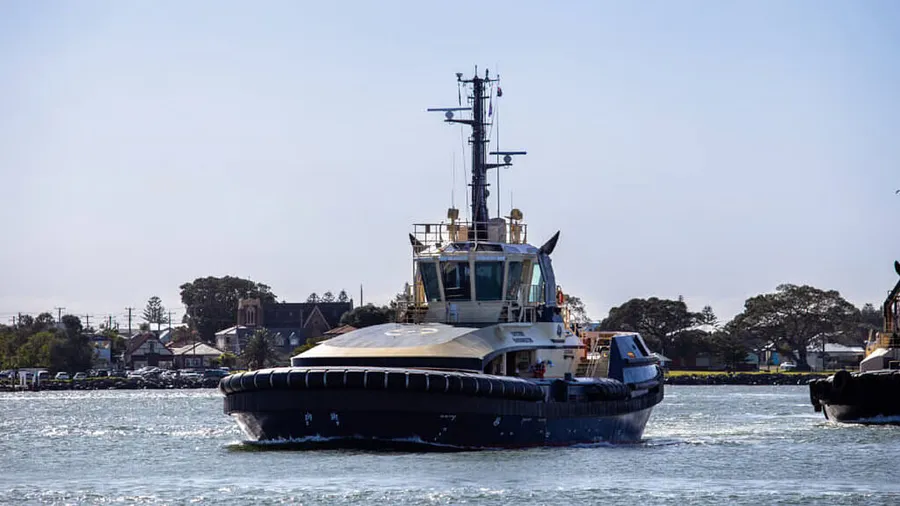
India’s shipbuilding sector has secured another international order, with Swan Defence and Heavy Industries (SDHI) selected by Danish towage company Svitzer to build four TRAnsverse 3200 harbour tugs.
Construction will take place at SDHI’s Pipavav yard in Gujarat, with deliveries expected to begin in early 2028. The order also highlights the growing role of Indian yards in building specialised vessels for global operators.
80-tonne bollard pull with a focus on efficiency
The four tugs will be built to Bureau Veritas class and are based on the patented TRAnsverse 3200 design, developed by naval architects Robert Allan Ltd. together with Svitzer.
Designed for demanding harbour towage and escort work, the vessels combine a hydrodynamically optimised hull with omni-directional propulsion. This configuration is intended to give crews greater control when assisting large ships in confined waterways, challenging weather and complex port approaches.
The tugs will deliver an 80-tonne bollard pull while offering claimed fuel savings of up to 15% compared with conventional tug designs.
That efficiency advantage is particularly relevant as ports and towage operators face increasing pressure to reduce fuel consumption and emissions without compromising the high power and manoeuvrability required during ship-assist operations.
Built for a lower-emission operating environment
The new vessels will be biofuel-ready and designed to comply with IMO Tier III emissions requirements. They will also carry FiFi1 firefighting capability, adding another layer of operational flexibility for port and terminal environments.
For tug operators, these specifications reflect a broader shift in vessel design. Harbour craft are increasingly expected to combine high-performance propulsion with lower emissions and the ability to operate with alternative fuels.
Another export contract for SDHI
The Svitzer order follows a competitive international evaluation of shipyards and represents SDHI’s fourth consecutive export contract.
The choice of the Pipavav yard is also significant because Svitzer operates a harbour towage business at the adjacent port. This provides a direct operational connection between the shipbuilder, the vessel's future operating environment and the customer.
SDHI CEO Rear Admiral Vipin Kumar Saxena (Retd.) said the contract demonstrates the company's ability to deliver highly specialised vessels to international standards.
For Svitzer, the investment forms part of its longer-term fleet renewal strategy. The Copenhagen-headquartered operator manages more than 500 vessels worldwide and is seeking to introduce more efficient tug designs across its global operations.
Why this matters
- For shipowners and port operators: More efficient escort and harbour tugs can help reduce fuel consumption while maintaining high towing performance.
- For seafarers and tug crews: Omni-directional propulsion and high manoeuvrability are particularly valuable when handling large ships in restricted or difficult conditions.
- For Indian shipbuilding: Another export order strengthens India's credentials in specialised vessel construction, beyond conventional commercial shipbuilding.
- For the wider maritime sector: Biofuel readiness and IMO Tier III compliance show how tug designs are adapting to tightening environmental requirements.
Conclusion
The SDHI-Svitzer contract is more than a four-vessel order—it is a vote of confidence in India's ability to build sophisticated, internationally competitive workboats. As ports become more demanding and emissions regulations tighten, next-generation tug designs will become increasingly important to safe and efficient ship operations.
Source: Maritime Gateway
Related Articles