Trafigura Acquires Seven Tankers as Rising Freight Rates Lift Vessel Values
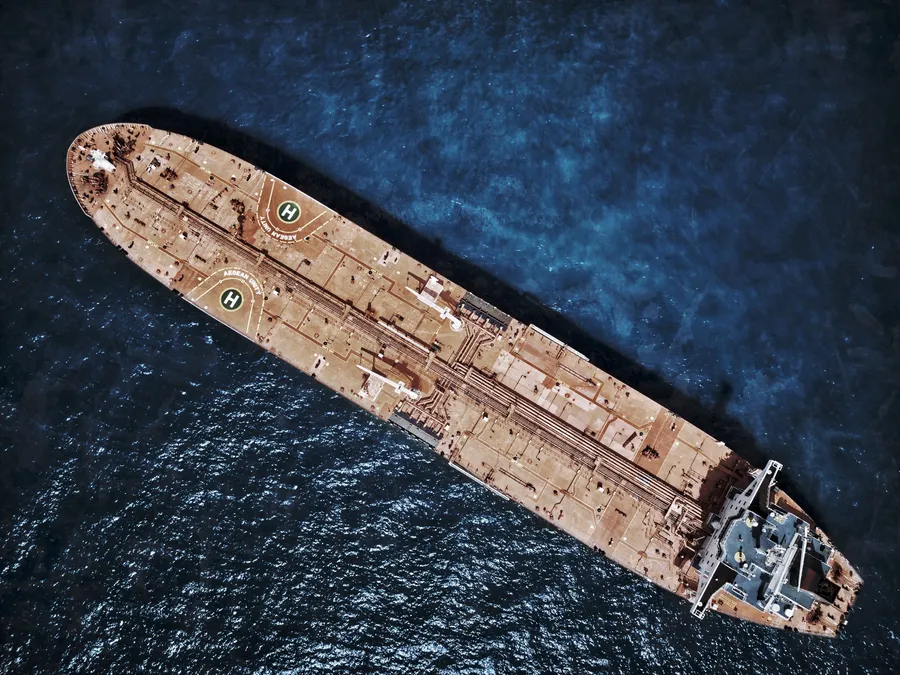
Global commodity trader Trafigura is expanding its tanker fleet exposure by acquiring seven oil tankers from SFL Corp., as geopolitical disruptions tighten shipping capacity and push freight rates higher. The transaction highlights how energy traders are positioning themselves to secure transportation capacity amid uncertainty across critical oil-shipping routes.
Seven Tankers to Transfer Over Six Months
Trafigura has purchased seven tankers from New York-listed SFL Corp., comprising four LR2 product tankers built in 2014 and 2015, and three Suezmax crude oil tankers built in 2019.
SFL confirmed the transaction in a statement on Wednesday and said the vessels would be delivered to the buyer over the next six months. Neither company disclosed the sale price, and Trafigura declined to comment.
The deal generated an aggregate book gain of $175 million for SFL, according to the vessel owner. The gain reflects the difference between the transaction value and the relevant accounting book values; it should not be interpreted as the undisclosed purchase price or necessarily as cash profit after all transaction costs.
Geopolitical Disruptions Reshape Tanker Demand
The acquisition comes as security concerns around the Strait of Hormuz and the Red Sea continue to affect global oil transportation.
Disruptions around Hormuz have increased the need to reposition tankers to maintain crude and petroleum-product flows. Meanwhile, security risks in the Red Sea have encouraged some vessels to take longer alternative routes, extending voyage durations and reducing the time ships are available for their next employment.
For shipowners, longer voyages can tighten effective fleet supply even when the overall number of vessels remains unchanged. For charterers and commodity traders, that can mean higher freight costs and greater competition for ships available at short notice.
Owning tankers gives a trading house more direct control over part of its transportation capacity, although vessel ownership also brings exposure to operating expenses, maintenance, crewing and changes in asset values.
Secondhand Tanker Prices Reflect a Strong Market
Demand for immediately available oil carriers has also lifted secondhand tanker valuations.
Clarksons data cited in the source put the value of a 10-year-old Aframax tanker — a vessel in a broadly comparable size category to an LR2 — at $72.5 million last week. A 10-year-old Suezmax was assessed at approximately $110 million.
These benchmarks illustrate the capital involved in acquiring tanker capacity in the current market. Actual vessel prices vary according to age, condition, specifications, employment status and prevailing market expectations.
For sellers such as SFL, stronger asset values can create opportunities to realize gains and redirect capital. For buyers such as Trafigura, the decision depends on whether greater control over shipping capacity justifies the purchase price and the costs of ownership.
Trafigura Expands Its Shipping Footprint
The acquisition follows Trafigura’s recent move into the public shipping market through Volare Shipping Ltd., a supertanker-focused vehicle listed on the Oslo Stock Exchange.
Taken together, these developments point to the growing importance of shipping strategy for major energy and commodity traders. Tanker availability is not simply a logistics consideration: it can affect delivery schedules, trading margins and the ability to respond to disruptions in oil supply chains.
Why This Matters
- For shipowners: Strong secondhand values may create attractive opportunities to sell vessels, while higher acquisition costs can make fleet expansion more expensive.
- For charterers and traders: Securing owned tonnage can improve control over transportation, particularly when prompt vessel availability becomes limited.
- For seafarers and operators: Longer voyages and changing trade routes can affect deployment patterns, operational planning and vessel utilization.
- For the energy supply chain: Geopolitical risks can translate into higher freight costs, longer delivery times and increased competition for suitable tankers.
Conclusion
Trafigura’s purchase of seven tankers reflects a market in which vessel availability, route security and freight costs are increasingly interconnected. As trading houses strengthen their shipping positions, tanker ownership is becoming an important strategic consideration alongside the buying and selling of oil itself.
Source: gCaptain
Related Articles