IMO Safety Committee Opens Talks on Autonomous Ships and Gulf Security Risks
Ecosailor Desk
Security
The International Maritime Organization’s Maritime Safety Committee has started its 111th session in London, with global shipping safety, maritime security, and future vessel regulations high on the agenda.
The meeting comes at a time when the industry is balancing rapid technological change with growing geopolitical risks affecting crews and trade routes.
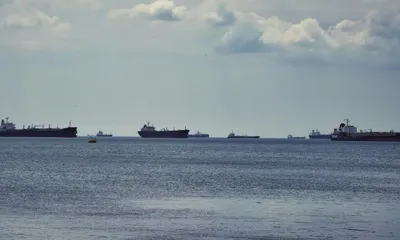
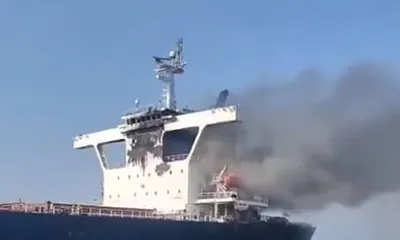
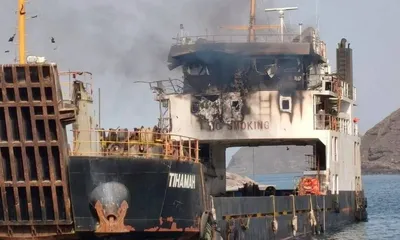
The 111th session of the IMO Maritime Safety Committee opened this week in London under IMO Secretary-General Arsenio Dominguez, bringing together representatives from 176 Member States. Key discussions during the 18–22 May session include the adoption of the IMO’s first non-mandatory code for autonomous ships, strengthening maritime security measures, and developing safety regulations for alternative marine fuels. The committee is also reviewing piracy threats and the ongoing security situation in the Arabian Sea, Sea of Oman, and around the Strait of Hormuz. During his opening remarks, Dominguez stated that the IMO has verified 38 attacks on international shipping in the region, resulting in 11 seafarer fatalities, while nearly 20,000 crew members remain effectively stranded due to security concerns. He added that the IMO has prepared evacuation plans for vessels and seafarers once conditions are considered safe enough for implementation. The discussions highlight the growing operational pressures facing the maritime industry, from crew safety and geopolitical instability to autonomous shipping and fuel transition challenges.Why This Matters
- New IMO frameworks could shape future regulations for autonomous vessels and alternative fuel operations.
- Continued instability near the Strait of Hormuz is increasing risks for ships, crews, and global trade flows.
- Crew welfare and emergency preparedness are becoming major priorities across the shipping industry.
- Outcomes from MSC 111 may influence compliance, insurance, and operational planning for shipowners and managers.
MSC 111 reflects how maritime safety is evolving beyond traditional navigation and compliance issues.
For shipowners, operators, and seafarers, the meeting’s outcomes could have long-term implications for vessel operations, crew protection, and future regulatory requirements.
Related Articles