India Relaxes Ship Age Restrictions to Expand Its National Shipping Fleet
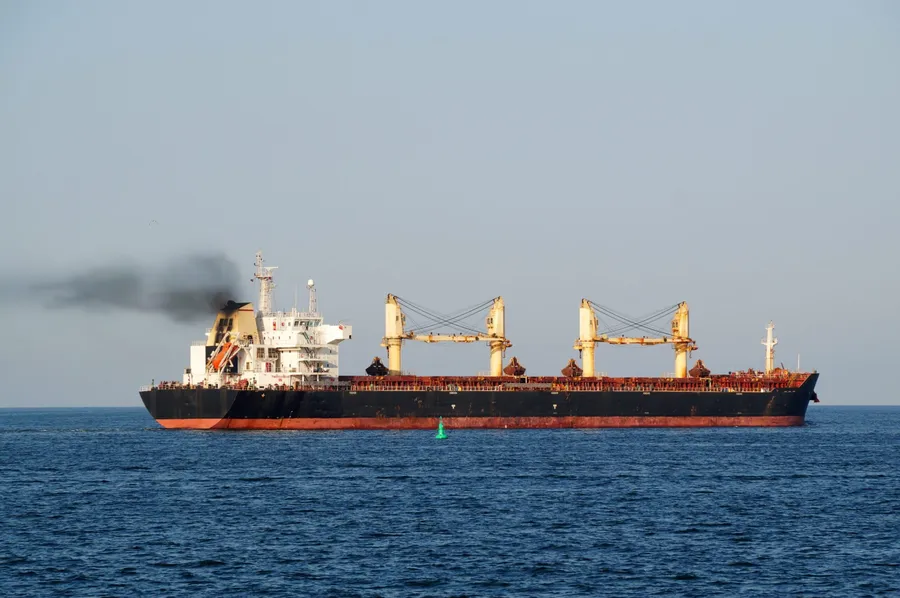
India has eased its vessel age requirements for registration under the Indian flag, opening the door for older ships to enter the country's domestic shipping fleet. The policy change is aimed at improving fleet availability, strengthening national shipping capacity and reducing dependence on foreign carriers for critical cargo transportation.
India Opens Flag Registration to Older Vessels
The Directorate General of Maritime Administration (DGMA) has introduced revised conditions allowing vessels older than 20 years to be considered for registration under the Indian flag.
Previously, ships exceeding 20 years of age were not permitted to enter the Indian registry. The revised framework introduces a more flexible approval process, subject to vessel age, type and technical assessment.
Under the new provisions:
- Oil tankers aged 15–20 years: These vessels can enter the Indian registry subject to specified conditions established by the maritime administration.
- Vessels above 20 years: Oil tankers, general cargo ships and offshore vessels will require approval from a five-member DGMA committee before they can join the Indian flag fleet.
- No fixed exit age: The revised order does not establish a maximum age at which an existing Indian-flagged vessel must leave the registry.
The committee-based approval mechanism is intended to ensure that older vessels meet acceptable quality and safety standards before receiving permission to operate under the Indian flag.
This approach gives the administration greater flexibility to expand the fleet while retaining oversight of vessel condition and suitability.
Strengthening India's Shipping Independence
India is one of the world's major consumers of crude oil, natural gas and other essential commodities. However, a substantial proportion of its international cargo transportation continues to depend on foreign-flagged vessels.
This dependence can become a strategic concern during geopolitical tensions, international shipping disruptions or emergencies that restrict access to available tonnage.
By allowing more vessels to enter the Indian registry, the government aims to improve the availability of nationally flagged ships and strengthen the country's ability to transport essential cargo during periods of disruption.
The policy could also improve opportunities for Indian shipowners looking to acquire second-hand vessels and expand their fleets without being restricted by the previous 20-year registration ceiling.
Indian Flag Could Offer Commercial Advantages
Registration under the Indian flag can provide commercial benefits when competing for certain government and public-sector cargo contracts.
Indian-flagged vessels receive priority consideration for specified cargo transportation opportunities from government departments and state-owned companies before foreign-flagged vessels are considered.
The revised age policy could therefore make older second-hand ships more attractive to domestic operators seeking access to these contracts.
However, the commercial benefits will depend on acquisition costs, vessel condition, maintenance requirements, insurance, classification status and the regulatory approval process.
Why This Matters
- Indian shipowners: The relaxed registration policy creates additional opportunities to acquire second-hand vessels and expand fleet capacity with potentially lower initial investment.
- National energy security: A larger Indian-flagged fleet could improve the country's ability to transport essential commodities during international supply-chain disruptions.
- Shipping employment: Fleet expansion could create additional opportunities for Indian seafarers, marine engineers, deck officers and shore-based maritime professionals, depending on actual vessel acquisitions.
- Domestic shipping competitiveness: Greater access to government and public-sector cargo contracts could strengthen the commercial position of Indian-flagged operators against foreign carriers.
Conclusion
India's decision to relax vessel age restrictions represents a significant change in its approach to domestic fleet expansion and maritime capacity building. The long-term success of the policy will depend on maintaining strict technical and safety standards while ensuring that increased vessel availability translates into stronger Indian shipping capabilities.
Source: Marine Link
Related Articles