IMO Regulatory Uncertainty Slows Demand for Cleaner Marine Fuels
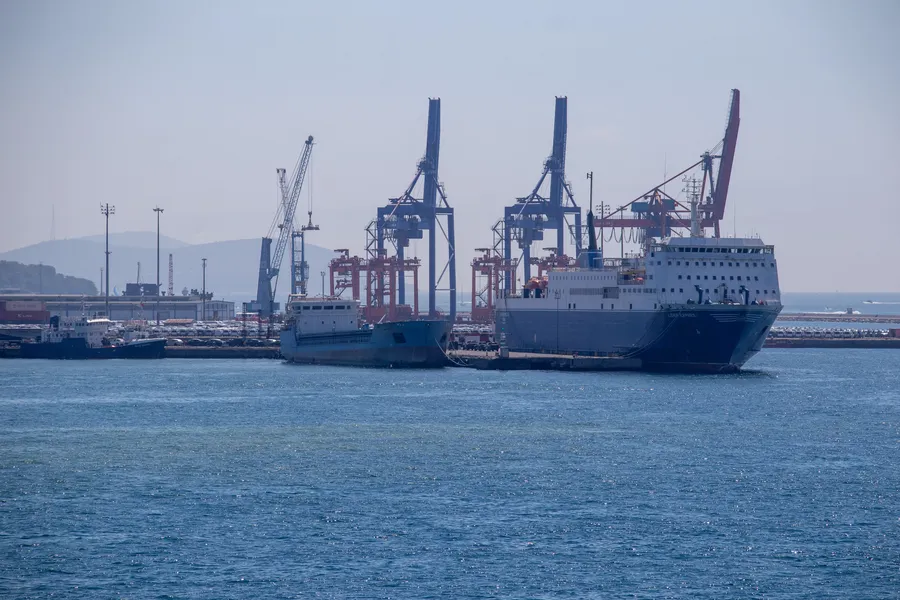
Uncertainty over the International Maritime Organization’s proposed net-zero framework is weighing on demand for marine biofuels, as shipowners delay fuel decisions and explore alternative ways to manage emissions costs.
The slowdown highlights a key challenge for shipping’s energy transition: cleaner fuels may be available, but investment decisions remain difficult without clear, predictable regulations. At the same time, geopolitical disruption and rising conventional fuel prices are strengthening the case for flexibility in vessel fuel strategies.
Biofuel Sales Fall at Singapore Bunker Hub
Demand for marine biofuels has weakened in 2026 as the shipping industry awaits clarity on the IMO’s proposed emissions framework.
IMO member states are scheduled to meet by early November to consider formal adoption of a net-zero framework intended to guide international shipping towards zero emissions by 2050. The decision follows a postponement of the adoption process last year.
The uncertainty is reflected in Singapore, the world's largest marine bunkering hub. Government data shows that marine biofuel sales totalled approximately 603,000 tonnes between January and September 2026, a 47% decline compared with the same period in 2025. Full-year sales in 2025 had more than doubled from 2024.
Jens Maul Jorgensen, a director at dry bulk shipowner Oldendorff Carriers, said stronger demand was unlikely until the IMO provides greater regulatory clarity.
He also highlighted competition from carbon credits available under the European Union’s FuelEU Maritime framework, which regulates the greenhouse-gas intensity of energy used by covered ships calling at EU ports.
Where compliance can be achieved through credits or other permitted mechanisms, some operators may have less immediate incentive to purchase more expensive or operationally challenging alternative fuels.
Europe's Biofuel Uptake Falls Short of Expectations
The European market presents a mixed picture.
FuelEU Maritime has supported the adoption of biofuels, while tax incentives have encouraged some additional uptake. Nevertheless, industry participants say demand has not grown as strongly as expected.
Peter Grunwaldt, chief executive of Seascale Energy, a joint venture between Cargill and Hafnia, noted that some shipowners continue to favour conventional marine gasoil even when biofuels are cheaper in certain market conditions.
Port data showed that bio-blended bunker sales in Rotterdam increased by 28% in the first half of 2026 compared with the same period in 2025.
However, this growth has not fully matched industry expectations, suggesting that fuel pricing alone does not determine purchasing decisions. Regulatory certainty, supply availability, operational compatibility and the perceived long-term value of lower-carbon fuels also influence demand.
Jesper Sorensen, global head of alternative fuels at KPI OceanConnect, said clearer regulatory signals were needed to help the industry plan its transition. He identified the EU Emissions Trading System and FuelEU Maritime as the main regulatory mechanisms currently guiding decisions in this area.
Middle East Disruption Reinforces the Value of Fuel Flexibility
While uncertainty is holding back some biofuel demand, geopolitical developments are creating a separate incentive for shipowners to diversify their energy options.
The conflict involving the United States, Israel and Iran has disrupted energy markets, with fossil-based marine fuel prices reported to be at least 70% above their pre-conflict levels in February 2026.
These higher costs are increasing the importance of fuel procurement strategies that can adapt to changing prices and supply conditions.
Shipowners investing in alternative-fuel and dual-fuel vessels are building flexibility into their operations. Depending on engine design, approved fuel specifications and actual availability, these vessels may be able to switch between conventional and alternative fuels as commercial conditions change.
For operators, this flexibility can help manage fuel-price exposure and reduce dependence on a single energy source. However, it does not eliminate the need for reliable alternative-fuel supplies or clear rules governing emissions compliance.
Why This Matters
- For shipowners and operators: Uncertain regulations make it harder to assess the long-term financial returns of alternative-fuel investments. Dual-fuel capability and diversified fuel procurement may offer valuable flexibility, but must be weighed against additional capital and operating costs.
- For seafarers and engineers: Alternative-fuel vessels require appropriate training, fuel-handling procedures and equipment-specific knowledge. Changes in fuel selection can affect onboard operations, maintenance planning and safety requirements.
- For bunker suppliers and traders: Weak biofuel demand creates uncertainty around supply-chain investment, pricing and infrastructure development. Clearer regulatory requirements could help establish more predictable demand.
- For maritime policymakers: The figures underline the importance of consistent, credible emissions rules. If compliance mechanisms favour credits over direct fuel substitution, demand for physical low-carbon fuels may develop more slowly than anticipated.
Conclusion
Shipping's transition to cleaner fuels is being shaped by a combination of regulatory uncertainty, competing compliance options and volatile energy markets. The decline in Singapore's biofuel sales illustrates how quickly purchasing decisions can change when the industry's long-term obligations remain unclear.
For shipowners, the immediate priority is balancing compliance, cost and operational flexibility. For the wider industry, clearer international rules will be crucial to turning decarbonisation targets into sustained demand for lower-carbon marine fuels.
Source: Marine Link
Related Articles