Spain Introduces Nationwide Scrubber Discharge Ban from July 2027, Tightening Environmental Rules for Ships

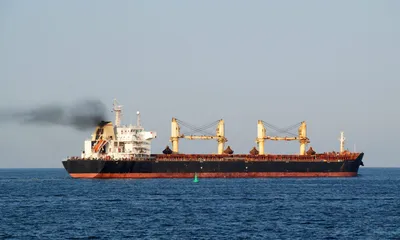
Spain is preparing to impose stricter controls on ship-generated wastewater, bringing forward restrictions on exhaust gas cleaning systems (scrubbers) across its ports and internal waters. The new requirements will affect all civilian vessels, regardless of flag, and could have operational and financial implications for shipowners trading to Spanish ports.
Main Article
Spain is set to prohibit the discharge of wastewater from marine scrubber systems in its ports, internal waters and designated anchorages from 1 July 2027.
The measure, introduced through Royal Decree 1006/2026 and published on 20 November 2026, applies to open-loop, closed-loop and hybrid scrubber systems. Unlike some existing regional restrictions, the Spanish regulation will cover vessels of all nationalities operating within the designated areas.
Scrubbers, technically known as Exhaust Gas Cleaning Systems (EGCS), allow ships to comply with the International Maritime Organization's (IMO) sulphur emission limits while continuing to use higher-sulphur fuel oil.
However, the technology generates wastewater that can contain heavy metals, hydrocarbons and other pollutants, raising concerns about its impact on marine ecosystems.
Spain Moves Ahead of the Regional Timeline
The new Spanish regulation follows a 2025 decision by the OSPAR Commission, which coordinates marine environmental protection across the Northeast Atlantic.
Under the OSPAR agreement, participating countries are required to prohibit open-loop scrubber discharges in ports and internal waters from July 2027. Restrictions covering all scrubber operating modes are scheduled to follow in July 2029.
Spain has decided to implement the wider prohibition two years earlier, applying it nationwide, including Mediterranean ports outside the OSPAR region.
The restriction does not mean ships must stop using scrubbers altogether. Instead, vessels entering affected waters must prevent wastewater discharge by switching to compliant low-sulphur fuel or retaining the wastewater onboard, where their systems permit.
Spain already has scrubber discharge restrictions at several major ports, including Algeciras, Barcelona, Cartagena and Valencia. The new decree establishes a consistent national framework.
Shipowners Question the Implementation
Spain's decision has attracted criticism from the Spanish shipowners' association ANAVE, which has raised concerns about the accelerated implementation schedule and the wider geographical coverage.
ANAVE has questioned whether the additional restrictions are supported by sufficient environmental risk assessments and called for closer alignment with IMO guidance.
The association has also highlighted practical difficulties, particularly the availability of port reception facilities capable of handling wastewater generated by closed-loop scrubber systems.
Another concern involves the investments shipowners have already made in scrubber technology to comply with international sulphur regulations. According to the association, sudden changes in operational requirements could create uncertainty for companies planning long-term fleet investments.
New Reporting and Inspection Requirements
The decree also introduces additional compliance obligations for scrubber-equipped vessels.
Ships must notify Spanish authorities about their scrubber systems at least 24 hours before arrival. For shorter voyages, notification must be submitted when departing the previous port.
Authorities will also have the power to inspect fuel changeover records and scrubber operating logs to verify compliance.
Consequently, vessel operators will need to ensure that environmental documentation, fuel management procedures and onboard operational records are properly maintained before entering Spanish waters.
Why This Matters
- For shipowners: Companies operating scrubber-equipped vessels must reassess fuel budgets, wastewater retention capacity and voyage planning when trading to Spain.
- For seafarers: Chief engineers and engine-room personnel will face additional responsibilities involving fuel changeovers, scrubber shutdown procedures, wastewater management and recordkeeping.
- For port operators: Demand for suitable wastewater reception facilities could increase, particularly for vessels using closed-loop scrubber systems.
- For the maritime industry: Spain's accelerated restrictions highlight the growing regulatory pressure on scrubber technology and could influence how other European countries approach marine pollution controls.
Conclusion
Spain's decision represents another important development in the maritime industry's transition towards stricter environmental compliance. For shipowners and vessel operators, the challenge will be balancing existing scrubber investments with increasingly restrictive discharge regulations.
As July 2027 approaches, advance operational planning and clear compliance procedures will become essential for vessels calling at Spanish ports.
Source: gCaptain
Related Articles