Brazil Launches First Ethanol-Fuelled Container Ship in Major Maritime Decarbonisation Milestone
Brazil has taken a significant step toward cleaner shipping by launching its first container vessel powered by domestically produced ethanol. The voyage could open a new market for biofuels while supporting the maritime industry's transition to lower-carbon operations.
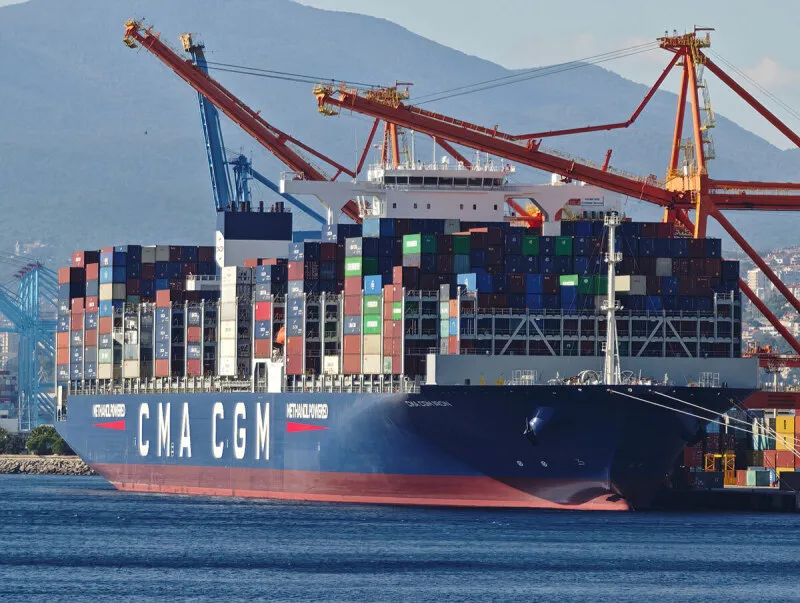
The CMA CGM Iron has become the first container ship to sail using Brazilian-produced ethanol as part of its fuel mix. Departing from the Port of Santos, the vessel is bound for China, with scheduled stops in Sri Lanka and Singapore, carrying a range of commercial cargo.
Designed to operate on methanol, ethanol and conventional bunker fuel, the vessel represents a practical demonstration of how multiple fuel options can support the shipping industry's decarbonisation journey.
According to Neusa Marcelino, CEO of CMA CGM Brazil, the project highlights Brazil's growing importance in the global transition toward cleaner marine fuels. She described the ethanol bunkering operation as a bold move that could help reduce emissions from ocean-going vessels.
Brazil is the world's second-largest ethanol producer, behind the United States, with most of its production derived from sugarcane and an increasing share from corn. If ethanol gains wider acceptance as a marine fuel, it could create substantial new demand for the country's agricultural and biofuel sectors.
The opportunity is considerable. The International Maritime Organization (IMO) estimates that international shipping contributes around 3% of global greenhouse gas emissions. If the sector were treated as a country, it would rank among the world's largest emitters.
The demonstration voyage comes ahead of the IMO's planned implementation of its global net-zero framework for shipping. While the framework received approval in April 2025, its formal adoption is expected later this year following delays in the regulatory process.
Industry leaders believe these upcoming regulations could encourage greater use of alternative fuels, including ethanol, as shipowners seek compliant pathways to reduce carbon emissions.
Narciso Bertholdi, a board member of two Brazilian corn ethanol producers, noted the scale of the potential market. With global shipping consuming roughly 250 million tonnes of fuel annually, replacing just 10% of that demand with ethanol would require around 32 billion litres—almost equal to Brazil's entire current ethanol production.
Momentum is already building. Earlier this year, the IMO approved an important technical step allowing Brazilian second-crop corn ethanol to be considered under future emissions guidelines.
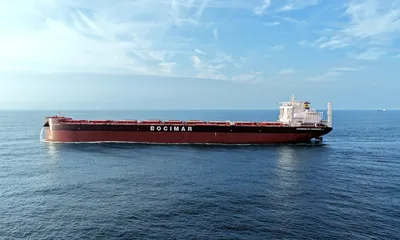
In addition, Brazilian mining company Vale has ordered a new fleet of ethanol-powered Guaibamax bulk carriers, expected to be delivered in 2029. These vessels are planned to operate using 100% ethanol while transporting iron ore.
CMA CGM is also expanding its low-carbon fleet. The company plans to have around 200 vessels capable of operating on renewable fuels by 2031, compared with its current fleet of approximately 700 ships.
Across the industry, the transition is accelerating. According to the World Shipping Council, around 440 dual-fuel container ships and vehicle carriers are currently in service worldwide, while more than 1,200 additional dual-fuel vessels have either been delivered or remain on order—an increase that reflects growing investment in future-ready fleets.
Despite the optimism, challenges remain. Brazil produced around 37 billion litres of ethanol during the last crop year, and producers continue to expand capacity. However, industry experts caution that scaling ethanol for international shipping will depend on regulatory acceptance.
One key hurdle is the European Union's fuel regulations, which currently exclude first-generation biofuels produced from crops such as sugarcane and corn. According to bunker fuel specialists, broader regulatory alignment will be essential before ethanol can become a mainstream marine fuel.
Why this matters
- Shipowners gain another potential pathway to meet tightening IMO decarbonisation requirements through renewable liquid fuels.
- Fuel suppliers and ports may see growing opportunities for ethanol bunkering infrastructure as demand develops.
- Brazil's biofuel industry and agricultural sector could benefit from a significant new export market beyond road transportation.
- Maritime professionals should monitor evolving fuel regulations, as future vessel investments may increasingly depend on fuel flexibility.
Conclusion
Brazil's first ethanol-powered container voyage demonstrates how biofuels could become part of the shipping industry's decarbonisation toolkit. While regulatory and commercial challenges remain, the trial signals growing momentum toward cleaner fuel alternatives in global maritime transport.
Source: G Captain
Related Articles