The Ecosailor

Maritime Autonomy Moves Beyond Concept as Industry Focus Shifts to Integrated Navigation Systems

Back

Maritime Autonomy Moves Beyond Concept as Industry Focus Shifts to Integrated Navigation Systems

Maritime Autonomy Moves Beyond Concept as Industry Focus Shifts to Integrated Navigation Systems

The maritime sector is steadily moving toward autonomous and remotely operated vessels, but the biggest challenge is no longer the technology itself — it is integration. As shipping companies explore smarter operations with smaller crews, industry players are now focusing on how different technologies can work together to improve navigation, safety, and underwater awareness.
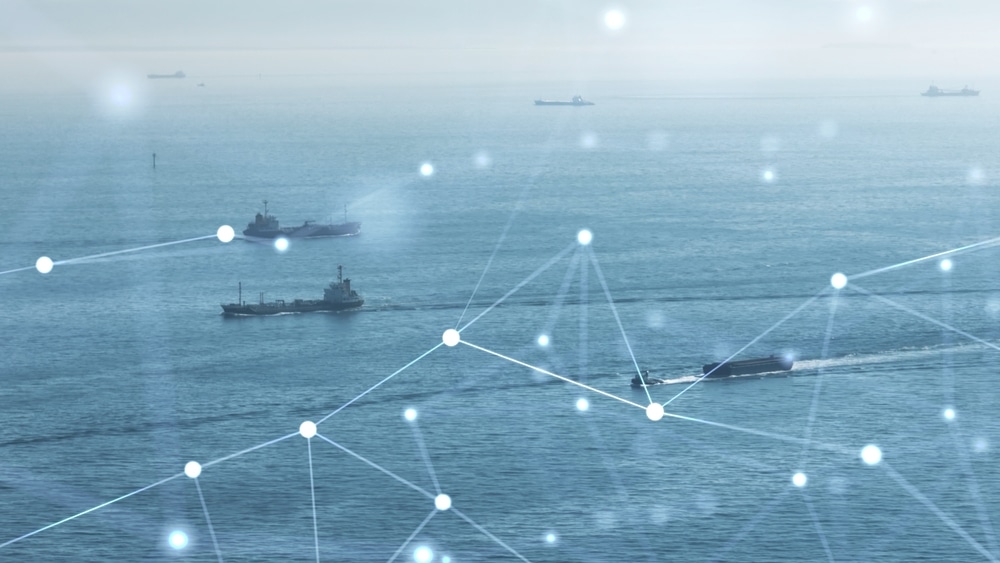
Autonomous shipping continues to gain momentum across the maritime industry, with developers increasingly concentrating on practical deployment rather than future concepts alone.

A major focus area is underwater perception — a critical capability for both crewed and uncrewed vessels operating in complex environments.

US-based marine technology company FarSounder is advancing this space through its Argos 3D Forward Looking Sonar systems, designed to detect underwater obstacles up to 1,000 meters ahead of a vessel while simultaneously mapping the seafloor.

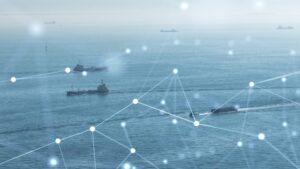
The company is also expanding technology partnerships to improve sensor integration for autonomous navigation. A recent collaboration between FarSounder and SEA.AI combines underwater sonar data with above-water machine vision systems, helping vessels build a more complete picture of their surroundings in real time.

The development comes as the maritime industry continues to face crew shortages and rising operational workloads onboard ships. Advanced navigation support systems, predictive hazard detection, and sensor fusion technologies are increasingly being viewed as tools to assist crews rather than fully replace them.

FarSounder is also working on machine-learning capabilities that could allow sonar systems to automatically classify underwater objects such as whales, ice, coral, rocks, and wake-related disturbances. The project aims to improve how both human operators and autonomous systems interpret underwater environments.

Industry experts believe the future of maritime autonomy will depend less on standalone technologies and more on how navigation, perception, and vessel control systems connect into a unified operational platform.

Why This Matters

  • Autonomous shipping depends heavily on reliable situational awareness both above and below the waterline.
  • Integrated sensor systems can help reduce bridge workload and improve navigation safety for smaller crews.
  • Machine-learning sonar technologies could improve hazard detection and environmental awareness at sea.
  • Shipowners investing in smart shipping solutions may increasingly prioritize interoperable systems over isolated technologies.

The next phase of maritime autonomy is shifting from experimentation to operational integration.

For shipowners, technology providers, and seafarers, the focus is now on building connected systems that improve safety, efficiency, and decision-making in real-world conditions at sea.

Leave a Comment

Your email address will not be published. Required fields are marked *

Leave a Comment

Your email address will not be published. Required fields are marked *