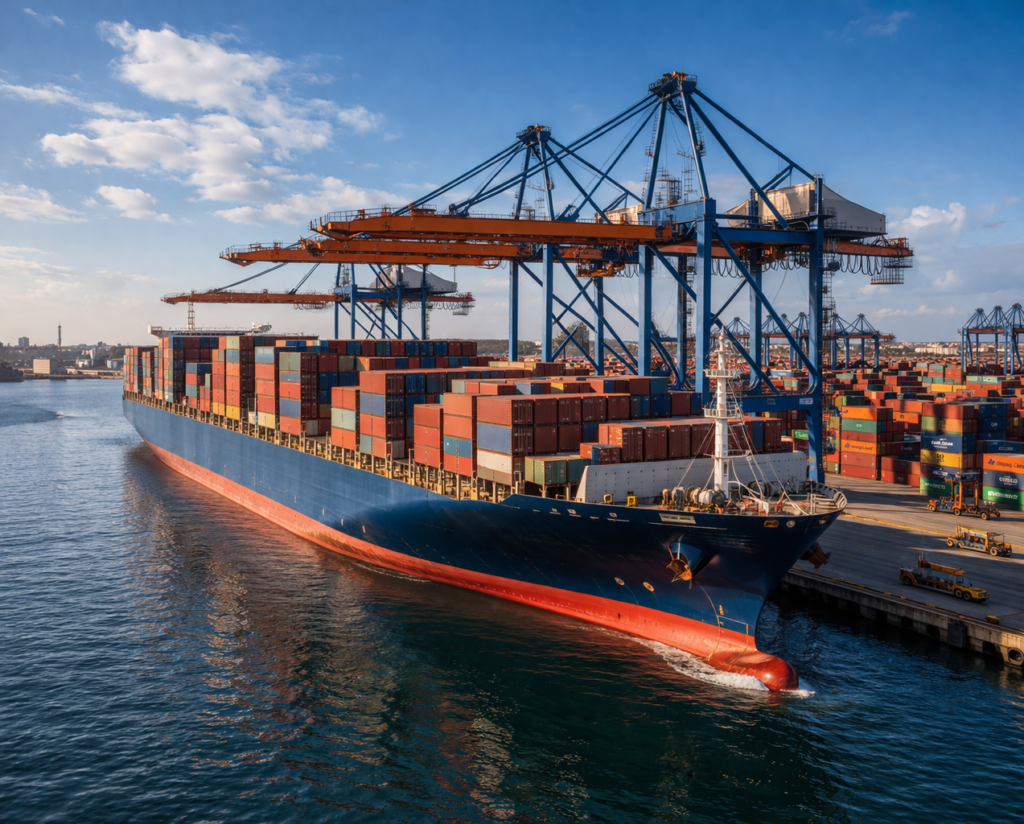
A geopolitical dispute over Panama Canal terminals is now reaching far beyond Central America. With China stepping up inspections of Panama-flagged vessels, shipping lines are facing a new layer of operational uncertainty across global trade routes.
What began as a legal and political dispute over port control in Panama is now showing up in day-to-day shipping operations—particularly in Chinese ports.
U.S. regulators have flagged a noticeable increase in inspections and detentions of Panama-flagged vessels calling at China. According to the Federal Maritime Commission (FMC), these actions appear to go beyond routine port state control checks, raising concerns that they may be linked to rising tensions between Beijing and Panama.
The trigger lies in Panama’s recent decision to revoke long-held terminal concessions from Hong Kong-based CK Hutchison. These concessions covered the Balboa and Cristóbal terminals—strategically positioned at the Pacific and Atlantic ends of the Panama Canal.
Following a court ruling that invalidated the original concession framework, Panama moved quickly to take control of the terminals. Interim operators have since been appointed: APM Terminals is managing Balboa, while Terminal Investment Limited—backed by Mediterranean Shipping Company—has taken over Cristóbal. These arrangements are expected to last up to 18 months while a new concession model is developed.
Hutchison, however, is pushing back. The company has initiated arbitration proceedings that could exceed $2 billion, escalating what is now both a legal and geopolitical dispute. The situation is further complicated by earlier plans to sell its global ports business—including Panama assets—to a consortium involving BlackRock and MSC, a deal that had already drawn scrutiny from Chinese authorities.
Now, the friction appears to be spilling into operational space. Increased scrutiny of Panama-flagged ships in Chinese ports is creating delays and uncertainty for carriers. For an industry that depends on predictability, even minor disruptions in port clearance can ripple across schedules and supply chains.
The FMC has indicated it is closely watching the situation and may investigate whether such actions create unfair conditions for international shipping, particularly for U.S.-linked trade.
At this stage, the issue remains contained to inspections and detentions. But the broader concern is whether this evolves into a more direct disruption of vessel movements tied to geopolitical positioning around critical maritime infrastructure.