With oil prices surging and tanker routes under threat, Washington is exploring a short-term supply fix. For shipping and energy markets, this move could quickly shift tanker demand, freight rates, and operational risk in the Gulf.
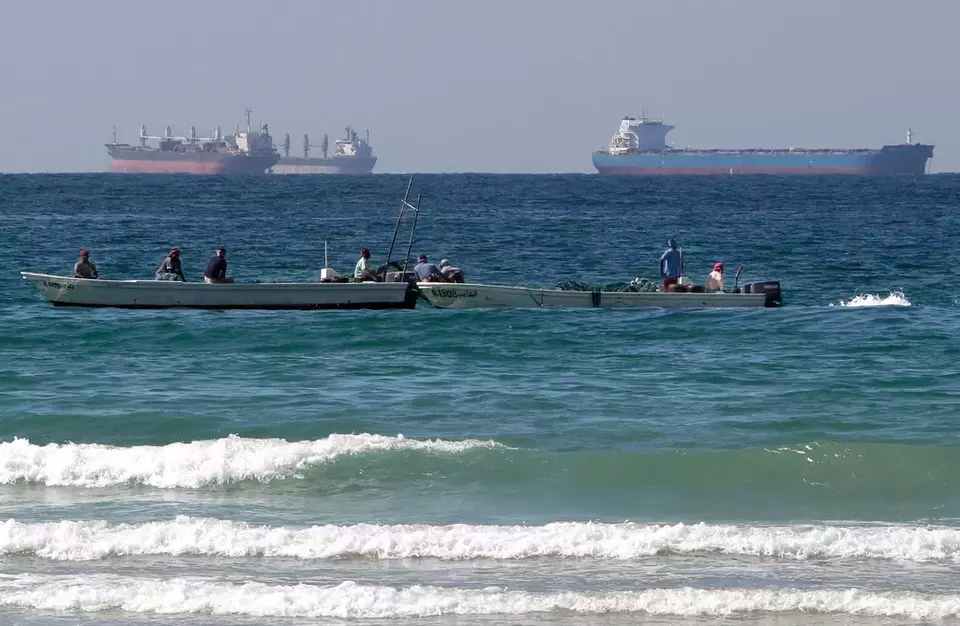
The U.S. government is considering lifting sanctions on a significant volume of Iranian crude currently held offshore, in a bid to stabilise global oil markets. According to U.S. Treasury Secretary Scott Bessent, around 140 million barrels of Iranian oil remain stranded on tankers and could soon be cleared for sale.
Speaking publicly, Bessent indicated that this volume represents roughly 10 to 14 days of global supply—enough to temporarily ease pressure on oil prices, which have remained above $100 per barrel amid escalating tensions in the Gulf.
The supply disruption stems largely from Iran’s closure of the Strait of Hormuz, one of the world’s most critical energy corridors. The situation has been further aggravated by reported tanker attacks, creating both physical supply constraints and heightened risk premiums across shipping markets.
This potential sanctions relief mirrors a recent U.S. move involving Russian crude, where approximately 130 million barrels of previously restricted oil were allowed to enter the market. The strategy is clear: inject immediate physical supply rather than intervene in financial markets.
Beyond Iranian crude, Washington is also preparing additional measures. These include a possible unilateral release from the Strategic Petroleum Reserve, building on a coordinated G7 release of 400 million barrels announced last week. The aim is to offset an estimated supply shortfall of 10 to 14 million barrels per day caused by disrupted flows through Hormuz.
On the geopolitical front, President Donald Trump is expected to engage with Japanese Prime Minister Sanae Takaichi on maritime security cooperation. Japan, heavily reliant on Middle Eastern oil, may contribute naval support to ensure safe passage for commercial vessels in the region. Additional releases from Japan’s own strategic reserves are also under consideration.
Meanwhile, shifting trade dynamics are adding complexity. China—traditionally a key exporter of refined fuels within Asia—has reportedly curtailed exports of jet fuel and other products, tightening regional supply chains and increasing reliance on alternative sources.
Releasing stranded Iranian oil may offer short-term relief to strained energy markets, but it does little to resolve the underlying geopolitical risks. For maritime stakeholders, the balance between opportunity and operational risk in the Gulf has rarely been more delicate.