Washington State Moves Ahead With Three New Hybrid-Electric Ferries
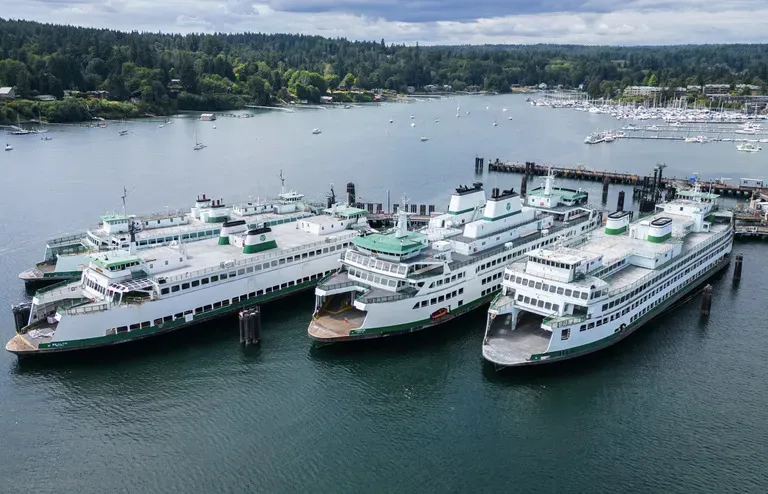
Washington State Ferries is moving forward with a major fleet renewal programme as Eastern Shipbuilding Group begins construction of a new generation of hybrid-electric ferries.
The US$714.5 million programme will now cover three vessels, after Washington state confirmed it will exercise its option for a third ferry. The first steel-cutting ceremony took place at Eastern’s yard in Panama City, Florida.
For ferry operators worldwide, the project offers a useful example of how battery technology, shore charging and conventional marine operations can be combined to modernize ageing fleets.
Third ferry added to the programme
The programme originally covered two firm vessels, with an option for a third. Washington State Ferries has now confirmed the additional ship, giving the operator three new ferries scheduled for delivery between 2030 and 2032.
Eastern is expected to deliver the first vessel in 2030, followed by the second in 2031 and the third in 2032.
The construction programme is particularly significant for Washington because it is the state's first ferry-building effort in a decade and followed the state's first competitive ferry construction tender in more than 25 years.
Eastern was selected in July 2025, with its proposal reportedly coming in 6% below the state's engineering estimate and substantially below the only other competing bid.
Large ferries with hybrid-electric propulsion
Each new ferry will be approximately 409 feet 6 inches long, with an 83-foot 2-inch beam.
The vessels will be capable of carrying up to 160 standard passenger vehicles and 1,500 passengers, while operating at a service speed of approximately 17 knots at full load.
Another important requirement is compatibility with Washington State Ferries' existing terminals. This means the new vessels can be introduced into the existing network without requiring a complete overhaul of terminal infrastructure.
The propulsion system combines battery storage with shoreside charging. The objective is to reduce the ferries' dependence on diesel propulsion and lower emissions during regular service.
Electrification meets operational reality
Ferry electrification is not simply a matter of installing batteries. Operators must also consider charging infrastructure, vessel turnaround times, route length, passenger demand and terminal compatibility.
The Washington programme therefore illustrates a broader approach to marine decarbonization: integrating new propulsion technology into an existing operating system rather than treating the vessel and shore infrastructure as separate projects.
For crews, the transition also brings changes in operational procedures, propulsion monitoring and energy management. Engineers will increasingly need to understand battery systems and charging cycles alongside conventional marine machinery.
Rebuilding an ageing fleet
The new ferries are being introduced as Washington State Ferries works to address long-standing vessel availability and reliability problems.
The operator has also been converting existing ferries to hybrid-electric propulsion. The Wenatchee, one of the system's Jumbo Mark II ferries, became the first vessel of that class to undergo such a conversion.
However, additional conversions have been delayed to maintain fleet availability, particularly around the 2026 FIFA World Cup, when demand for ferry services is expected to increase.
The three newbuilds will begin adding capacity toward the end of the decade, with deliveries spread across three consecutive years.
Why this matters
- For ferry operators: Hybrid-electric propulsion provides a pathway to reduce emissions without immediately abandoning existing operational models.
- For marine engineers: Battery systems and shore charging will become increasingly important parts of vessel machinery and energy-management responsibilities.
- For shipbuilders: The project demonstrates growing demand for specialized low-emission vessels alongside conventional commercial shipbuilding.
- For port authorities: Electrification shifts part of the infrastructure requirement from the vessel to the terminal, making reliable high-capacity shore charging essential.
Conclusion
Washington's three-ferry programme combines fleet renewal with a clear move toward lower-emission passenger shipping. As the first vessel takes shape, the project will be closely watched by ferry operators and shipbuilders looking for practical ways to electrify high-frequency maritime services.
Source: gCaptain
Related Articles