Italy Moves Ahead with €3.7 Billion DDX Destroyer Programme
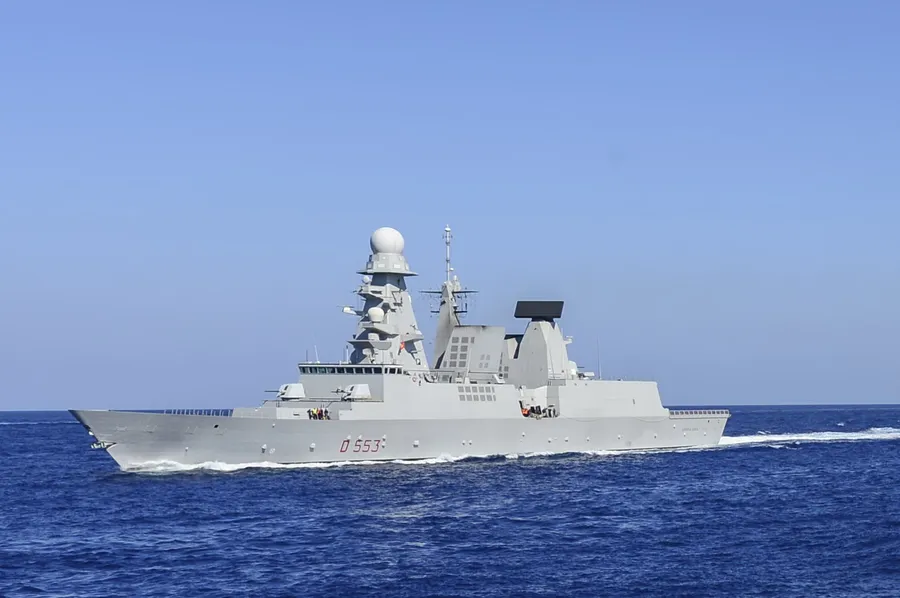
Italy is moving ahead with a major naval modernization programme, signing a contract worth around €3.7 billion for the development and construction of its next-generation DDX destroyers. The programme combines a large surface combatant platform with extensive digitalization, automation and integrated command-and-control capabilities.
The Italian Navy, through OCCAR, has awarded the programme to Orizzonte Sistemi Navali (OSN), the Fincantieri-Leonardo joint venture. The agreement covers development, production, logistics studies and initial in-service support for two DDX destroyers.
A new-generation surface combatant
The DDX will be a 180-metre-long, 13,500-tonne warship with an estimated range of 4,000 nautical miles. Each vessel is planned to operate with a crew of around 251.
The first ship is scheduled for delivery in 2033, while the second, currently covered as an option, is planned for 2035. The class will eventually replace Italy's ageing Durand de la Penne-class destroyers, which entered service in the early 1990s.
Fincantieri will act as the programme's system integrator and lead the ship's design and development. Leonardo will be responsible for the combat system, while Elt Group will contribute the electronic warfare suite.
The contract is valued at approximately €3.7 billion, including around €1.3 billion in options. Fincantieri's share is expected to be approximately €1.8 billion, including options, while Leonardo's portion is around €1.7 billion.
Designing the ship around data
One of the more significant aspects of the DDX programme is its emphasis on digital integration.
The ships are being developed around Fincantieri's Navis Sapiens concept, which envisages extensive connectivity between the vessel, its onboard systems and shore-based infrastructure.
Rather than treating individual systems as isolated pieces of equipment, the architecture is intended to allow sensors, weapons, command-and-control systems and platform-management systems to exchange and process information more effectively.
For the crew, that could mean greater automation and better access to operational and engineering data. For shore teams, the digital architecture could also support technical management and lifecycle support beyond the vessel's initial commissioning.
Built for connected operations
The DDX combat system will incorporate a new-generation, high-power S-band AESA radar alongside MBDA's weapon system. The destroyers are also being designed with Integrated Air and Missile Defence (IAMD) capabilities covering conventional missile threats as well as ballistic and hypersonic threats.
But the wider significance of the programme extends beyond individual weapons and sensors.
The ships are intended to operate as part of highly connected multinational forces, requiring interoperability and secure information sharing between different platforms and command structures.
The concept of a vessel with an integrated "digital brain" also has implications for ship management. The ability to collect and correlate data from multiple onboard systems could support operational decisions, equipment monitoring and technical support throughout the ship's service life.
Why this matters
- Ship designers and builders: The DDX programme highlights how modern warship design increasingly depends on integrating digital architecture from the earliest design stages rather than adding connectivity later.
- Marine technology companies: Sensor integration, data management, automation, cybersecurity and decision-support systems are becoming increasingly important parts of the vessel technology stack.
- Ship operators and technical teams: Centralized access to equipment and operational data can potentially improve maintenance planning, troubleshooting and lifecycle management.
- The wider maritime industry: Although designed for naval operations, technologies developed around highly connected vessels can influence future approaches to automation, remote support and digital ship management across the maritime sector.
Italy's DDX programme is therefore about more than replacing two ageing destroyers. It represents a move toward naval platforms where connectivity, data integration and automation are fundamental elements of the ship's architecture.
For the commercial maritime sector, the interesting part will be how these technologies mature — and which elements eventually find their way into the next generation of digitally managed merchant vessels.
Source: The Maritime Executive
Related Articles
INS Mahendragiri Joins Indian Navy, Strengthening Indigenous Naval Capability in the Indo-Pacific
INS Mahendragiri Joins Indian Navy, Strengthening Indigenous Naval Capability in the Indo-Pacific

WAR UPDATES – Hormuz on Edge: Ceasefire, Tariffs, and Shipping Disruptions Redefine Gulf Trade
A fragile ceasefire between the U.S. and Iran has reopened the Strait of Hormuz—but for shipping, the crisis is far from over. From military escalation to rising costs and regulatory risks, the past weeks have reshaped one of the world’s most critical maritime corridors.
Gulf War Disruptions Deepen: Freight Rates Rise, Tankers Targeted, Limited Transit Resumes
Tensions in the Gulf are now hitting shipping from every angle—costs, safety, and access. While some vessels are cautiously moving through Hormuz, the wider picture remains volatile and operationally complex. The ongoing conflict involving the United States, Israel, and Iran is reshaping maritime…