International Seaways Moves to Expand VLCC Fleet with $370 Million Bruton Deal
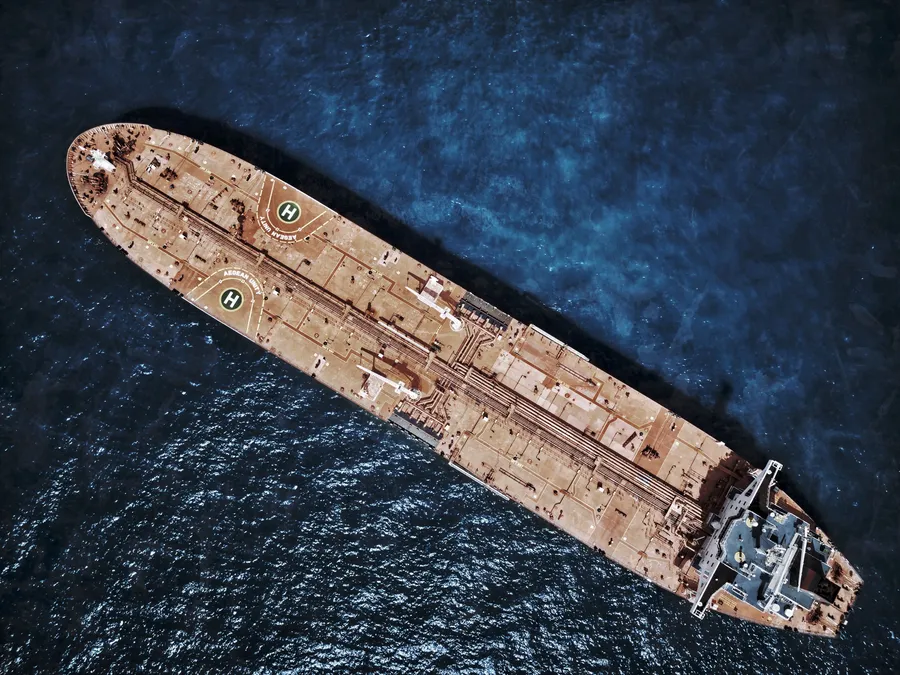
International Seaways is adding four very large crude carriers (VLCCs) to its fleet through a proposed $370 million acquisition of Bruton Limited, as strong tanker earnings create fresh opportunities for fleet expansion.
The transaction combines an operating vessel with three newbuildings, giving the US-based tanker owner additional capacity in the crude oil transportation market. It also highlights how shipowners are balancing fleet growth, charter income and capital allocation amid elevated freight rates.
Four VLCCs to Strengthen Crude Transport Capacity
International Seaways, headquartered in New York, has agreed to acquire Oslo-listed Bruton Limited. The deal will add four VLCCs to its existing fleet of approximately 70 crude oil and petroleum product tankers.
The acquisition includes Mount Vision, a 300,000-deadweight-tonne (dwt) vessel delivered in July 2026, and three sister ships being built at China's New Times Shipyard. Deliveries of the remaining vessels are scheduled between November 2026 and October 2027.
The vessels offer immediate operating exposure through the existing ship, alongside additional capacity as the newbuildings enter service.
Bruton's charter arrangements also provide some visibility into potential earnings. Mount Vision reportedly earns $95,000 per day, while Mount Horizon, the next vessel scheduled for delivery, has secured a charter at $105,700 per day.
Eight other VLCC newbuildings previously associated with Bruton were transferred to OMC Tankers, which began trading in Oslo in August. Those vessels are excluded from this acquisition.
Tanker Earnings Climb as the Fourth Quarter Begins
The acquisition comes against a backdrop of stronger crude tanker earnings.
International Seaways reported preliminary average blended spot earnings of approximately $68,000 per day in the third quarter of 2026, compared with $29,000 per day during the same period in 2025.
Earnings increased further entering the fourth quarter. The company said it had secured blended spot earnings averaging approximately $180,000 per day for around 37% of its expected fourth-quarter revenue days.
These figures illustrate the earning potential available in a strong tanker market. However, spot rates remain sensitive to oil trade patterns, vessel supply, geopolitical developments and changes in demand for crude transportation.
International Seaways also estimated third-quarter revenue of $480 million to $490 million and net income of $340 million to $350 million. The preliminary figures include an approximately $50 million gain from selling a Suezmax tanker built in 2012.
At September 30, the company reported liquidity of about $965 million, comprising $455 million in cash and short-term investments.
How the Acquisition Will Be Completed
International Seaways plans to acquire Bruton in two stages.
First, it will obtain a 50.5% stake through a share exchange with existing shareholders, with settlement expected around October 20. The remaining shares will then be acquired through a cash-and-stock merger.
The company expects to issue approximately 3.12 million shares, representing roughly 96% of the total consideration, with the balance paid in cash.
Bruton shareholders were scheduled to vote on the merger around October 30, with completion expected shortly afterwards, subject to customary closing conditions.
International Seaways CEO Lois K. Zabrocky said the transaction would support fleet expansion and modernisation while maintaining the company's disciplined approach to growth.
The company's full third-quarter financial results are scheduled for release on November 5, 2026.
Why This Matters
- For shipowners: Acquiring modern tonnage during a strong freight market can increase revenue potential, but the long-term return depends on purchase costs, financing, operating expenses and future charter rates.
- For seafarers: Three new VLCCs are scheduled to enter service between late 2026 and 2027. Their delivery and operational deployment may create crew requirements, depending on the owner's crewing arrangements.
- For tanker operators: Existing charter agreements provide some earnings visibility, while newbuildings offer opportunities to secure future employment as delivery dates approach.
- For the wider industry: The deal reflects continued investment in large crude carriers, highlighting the importance of fleet age, vessel efficiency and commercial flexibility in a changing tanker market.
Conclusion
International Seaways' proposed $370 million acquisition of Bruton would add four VLCCs to its fleet, combining an operating vessel with three ships scheduled for future delivery.
With tanker earnings elevated, the transaction offers growth potential, but its ultimate success will depend on market conditions, charter performance and the effective integration of the new vessels.
Source: gCaptain
Related Articles

Containers Crash onto Bunker Vessel During Cargo Operations in Antwerp
Accidents Containers Crash onto Bunker Vessel During Cargo Operations in Antwerp Incident Highlights Risks of Simultaneous Cargo Handling and Bunkering Activities A routine cargo operation
Ukraine Strikes Russian Oil Pipeline Hub as Global Energy Supply Tightens
As tensions disrupt shipping in the Strait of Hormuz, another blow has hit global energy logistics. Ukraine has targeted a key Russian oil pipeline facility linked to Black Sea export terminals, potentially affecting crude flows from one of Russia’s major export routes.
Training Gap Exposed After Tanker–Trawler Collision Sinks Fishing Vessel in Firth of Clyde
A routine afternoon in Scottish coastal waters ended with a trawler on the seabed and three fishermen in a liferaft.The UK’s Marine Accident Investigation Branch (MAIB) has now concluded that the collision between the crude oil tanker Apache and the stern trawler Serinah was not just a navigational…