Drifting LNG Wreck Raises Fresh Alarm in Mediterranean
An uncontrolled LNG carrier wreck is once again on the move — and back on navigational warning lists. For ships in the central Mediterranean, the risk is no longer theoretical.
Latest maritime news from around the world
An uncontrolled LNG carrier wreck is once again on the move — and back on navigational warning lists. For ships in the central Mediterranean, the risk is no longer theoretical.
A tougher sanctions package is on the table, but when it comes to shipping, the EU is still navigating internal divisions. The latest move keeps the current system in place — and the tanker market watching closely.
One comment, one chokepoint, and a global reaction. A brief suggestion from Indonesia’s finance chief has reignited a long-standing question in shipping: can nations charge for passage through the world’s busiest sea lanes?
A fragile ceasefire between the U.S. and Iran has reopened the Strait of Hormuz—but for shipping, the crisis is far from over. From military escalation to rising costs and regulatory risks, the past weeks have reshaped one of the world’s most critical maritime corridors.
Disruption in the Arabian Gulf is quietly reshaping global crude flows. As traditional Middle Eastern supply tightens, sanctioned oil is stepping in—keeping markets supplied while redrawing risk lines across the tanker trade.
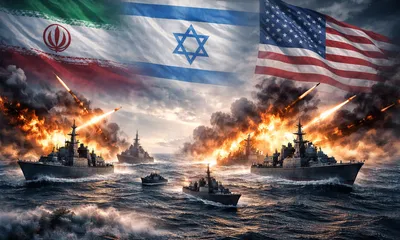
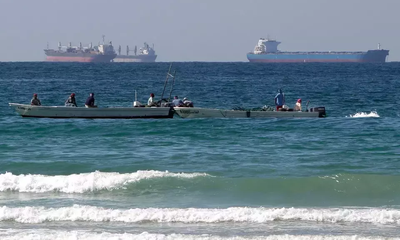
Tensions in the Gulf are now hitting shipping from every angle—costs, safety, and access. While some vessels are cautiously moving through Hormuz, the wider picture remains volatile and operationally complex. The ongoing conflict involving the United States, Israel, and Iran is reshaping maritime…
Access through the Strait of Hormuz remains tightly controlled amid ongoing conflict. Turkish shipowners are now navigating diplomatic channels as vessels wait for clearance in one of the world’s most critical chokepoints.
A geopolitical dispute over Panama Canal terminals is now reaching far beyond Central America. With China stepping up inspections of Panama-flagged vessels, shipping lines are facing a new layer of operational uncertainty across global trade routes.
A key Iranian naval figure has been killed, Hormuz remains heavily constrained, global shipping costs are climbing, and a potential Red Sea escalation is emerging. Together, these developments are reshaping how ships move—and whether they move at all.
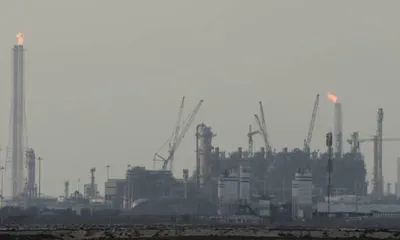
A major strike on one of the world’s most critical LNG hubs has rattled global energy markets. For shipping and maritime professionals, the ripple effects are immediate—impacting cargo flows, freight demand, and operational risk across key trade routes.
With ships immobilised and crews stuck in a conflict zone, the global shipping community is looking to the IMO for direction. While its authority is limited, the agency is now stepping in to coordinate what could become one of the largest maritime safety efforts in recent years.
With oil prices surging and tanker routes under threat, Washington is exploring a short-term supply fix. For shipping and energy markets, this move could quickly shift tanker demand, freight rates, and operational risk in the Gulf.