U.S. Investigates Whether Chinese Container Makers Deliberately Tightened Global Supply Before COVID
A new U.S. investigation is placing the global container shipping industry back under the spotlight, with federal authorities examining claims that major Chinese container manufacturers may have intentionally reduced production just before the COVID-19 supply chain crisis erupted. If proven, the case could reshape how governments and shipping companies think about supply chain security, container availability, and dependence on Chinese maritime manufacturing.
Probe focuses on pre-pandemic container production cuts
According to reports from CBS News, U.S. investigators are examining whether leading Chinese container manufacturers coordinated production slowdowns in late 2019 by reducing factory activity and worker hours. The companies involved reportedly control the majority of the world’s dry cargo container manufacturing capacity. Authorities suspect the reduced output may have tightened global container supply at a critical moment, contributing to the extreme container shortages and soaring equipment prices that later disrupted global trade during the pandemic. The U.S. Department of Justice is expected to move forward with indictments connected to the case. Reports indicate that several Chinese executives have already been indicted, while another individual was detained in France awaiting possible extradition to the United States.
The container shortage that changed global shipping
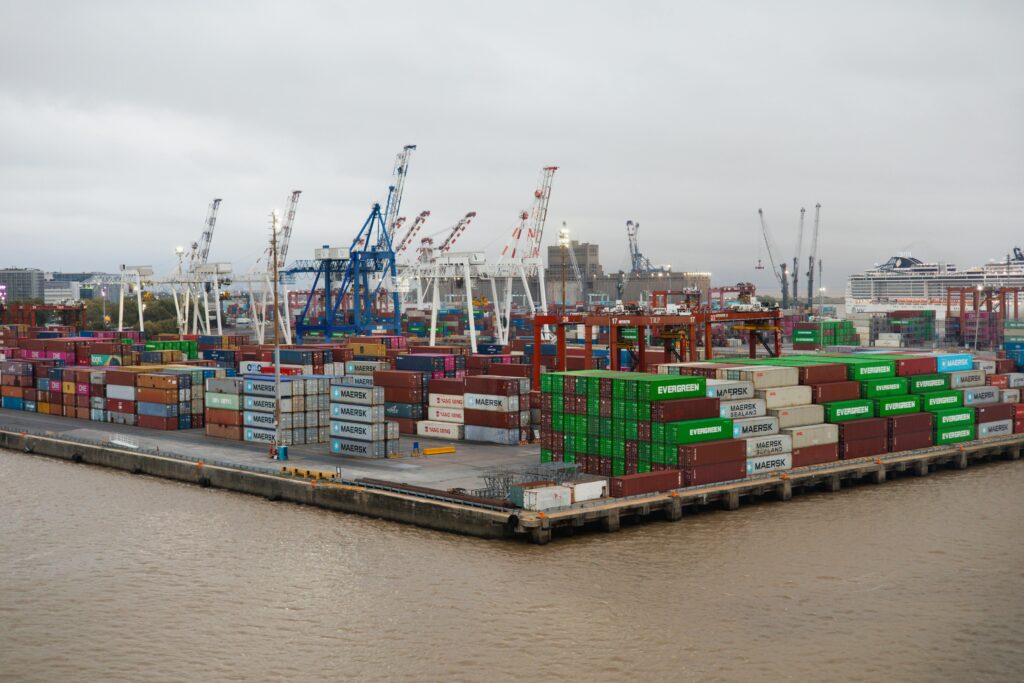
The COVID-era logistics crisis exposed just how dependent world trade had become on container availability. As demand for goods rebounded faster than expected in 2020 and 2021, shipping lines, freight forwarders, and exporters struggled to secure enough containers. Freight rates surged to record highs, ports became heavily congested, and vessel schedules collapsed across major trade routes. Container prices more than doubled during the period as carriers scrambled for equipment. While earlier industry explanations largely focused on pandemic disruption and unexpected demand recovery, the latest investigation raises the possibility that supply constraints may also have been influenced by manufacturing decisions made before the crisis fully unfolded.
China’s dominance in container manufacturing faces fresh scrutiny
The case also highlights a larger strategic issue that governments have increasingly focused on in recent years: China’s overwhelming control of maritime supply chains. China currently produces the vast majority of the world’s shipping containers — estimated by U.S. officials at around 95% of global supply. The country also holds significant influence across shipbuilding, port equipment manufacturing, logistics infrastructure, and intermodal transport systems. Earlier in 2025, the U.S. Trade Representative concluded that several Chinese maritime and shipbuilding practices were “unreasonable” under Section 301 of the Trade Act. Washington has since intensified discussions around rebuilding domestic maritime manufacturing capabilities and reducing reliance on foreign-controlled supply chains. The latest investigation is likely to add further momentum to those efforts.
Political and commercial implications could be significant
The timing of the probe is also attracting attention. Reports suggest the case was temporarily kept out of public view during recent high-level diplomatic discussions between the United States and China. If the investigation leads to convictions or trade measures, shipping companies, leasing firms, and container operators could face a changing regulatory environment, especially in U.S.-linked trades. The case may also encourage carriers and logistics firms to diversify sourcing for containers and related equipment — something many operators began considering after the pandemic exposed weaknesses in global supply resilience.
Why This Matters
The investigation could expose vulnerabilities in the global shipping industry’s dependence on a small number of container manufacturers.
Shipowners, leasing firms, and operators may face pressure to diversify equipment sourcing strategies.
Governments could accelerate investments in domestic maritime manufacturing and logistics infrastructure.
Any trade or legal fallout may influence container prices, equipment availability, and supply chain costs in the coming years.
The pandemic revealed how critical containers are to the global economy — and how fragile supply chains can become when production is concentrated in one region. As U.S. investigators dig deeper into the case, the shipping industry may once again be forced to reconsider the balance between efficiency, cost, and strategic resilience.