U.S. Forces Board Sanctioned Tanker in Indian Ocean, Signaling Stronger Maritime Enforcement
Increased Monitoring of Sanctioned and Shadow Fleet Vessels
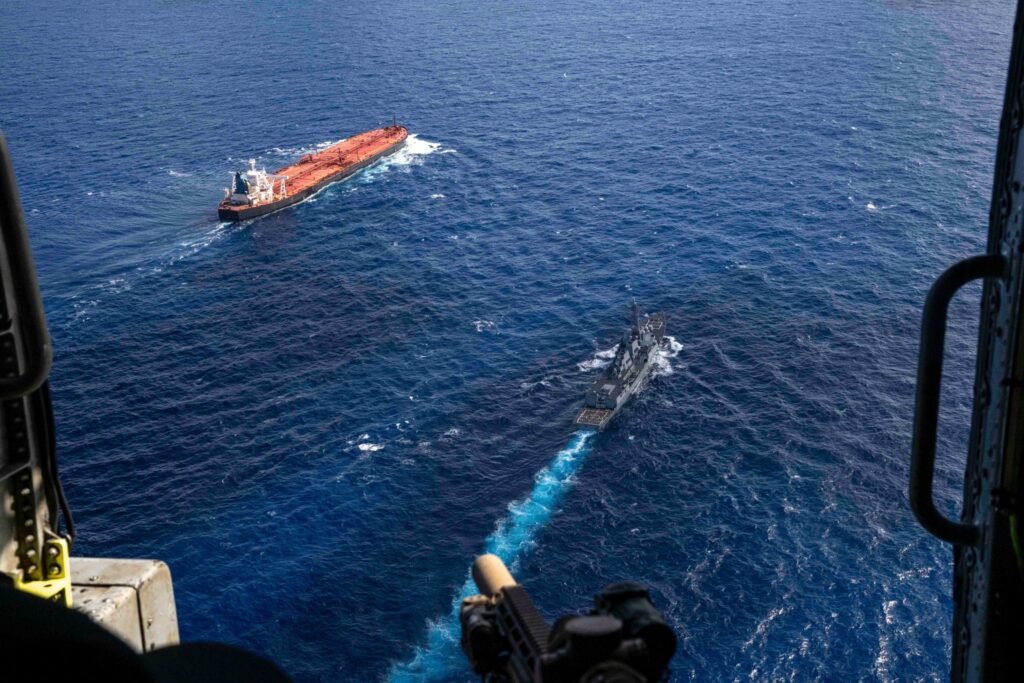
On 15 February 2026, U.S. maritime enforcement authorities boarded a sanctioned tanker in the Indian Ocean as part of ongoing efforts to enforce international sanctions and maritime regulations. The vessel, identified as part of the so-called shadow fleet, was suspected of engaging in activities designed to bypass global sanctions, fuel reporting requirements, and regulatory oversight.
Shadow fleet vessels typically operate using opaque ownership structures, flag changes, AIS manipulation, or unreported ship-to-ship fuel transfers to avoid regulatory detection. These activities present significant risks to maritime safety, environmental protection, and regulatory compliance.
Enforcement Focus on Compliance, Fuel Tracking, and Emissions Transparency
The boarding operation reflects growing global enforcement efforts aimed at strengthening compliance with maritime sanctions, emissions reporting, and fuel transparency regulations. Authorities are increasingly using satellite tracking, AIS monitoring, and digital intelligence tools to identify vessels involved in non-compliant operations.
Such enforcement actions are closely linked to compliance frameworks established by the International Maritime Organization, as well as regional emissions programs like EU ETS and IMO DCS, which require accurate fuel consumption and emissions reporting.
Technical Risks Associated with Non-Compliant Vessel Operations
Sanctioned and shadow fleet vessels often operate outside established safety and environmental compliance systems. This increases the risk of:
Unreported fuel consumption and emissions
Environmental pollution due to lack of monitoring
Increased likelihood of accidents due to poor maintenance
Lack of proper regulatory oversight and compliance reporting
These vessels may avoid installing modern emissions monitoring systems or digital compliance tools, making enforcement and verification more difficult.
The shipping industry is moving faster toward alternative fuels than regulations can fully adapt. While ammonia offers major decarbonization benefits, its toxicity requires stricter safety protocols compared to traditional fuels.
Without clear international discharge limits, ship operators face uncertainty regarding compliance, vessel design, and operational risk. Regulatory frameworks must evolve simultaneously with fuel innovation.
Why This Matters for the Maritime Industry
1. Stronger Global Enforcement of Fuel and Emissions Regulations
This incident highlights the increasing role of maritime authorities in enforcing compliance with fuel regulations, emissions reporting, and sanctions requirements.
2. Greater Importance of Digital Compliance and Transparency
Shipowners and operators must ensure accurate fuel monitoring, emissions reporting, and operational transparency to avoid regulatory violations and penalties.
3. Increased Risk for Non-Compliant Operators
Authorities are using advanced surveillance technologies, satellite tracking, and inspection programs to identify vessels attempting to bypass regulations.
4. Growing Role of Compliance Platforms and Monitoring Systems
Digital compliance systems that track fuel consumption, emissions, and regulatory reporting are becoming essential tools for ensuring compliance with global maritime regulations.
As connectivity becomes a strategic asset, the ability to carry secure, global communications in a backpack may redefine how mission-critical operations are supported — at sea and on land.