UK Offshore Industry Pushes for Faster Decisions on Rosebank and Jackdaw Energy Projects
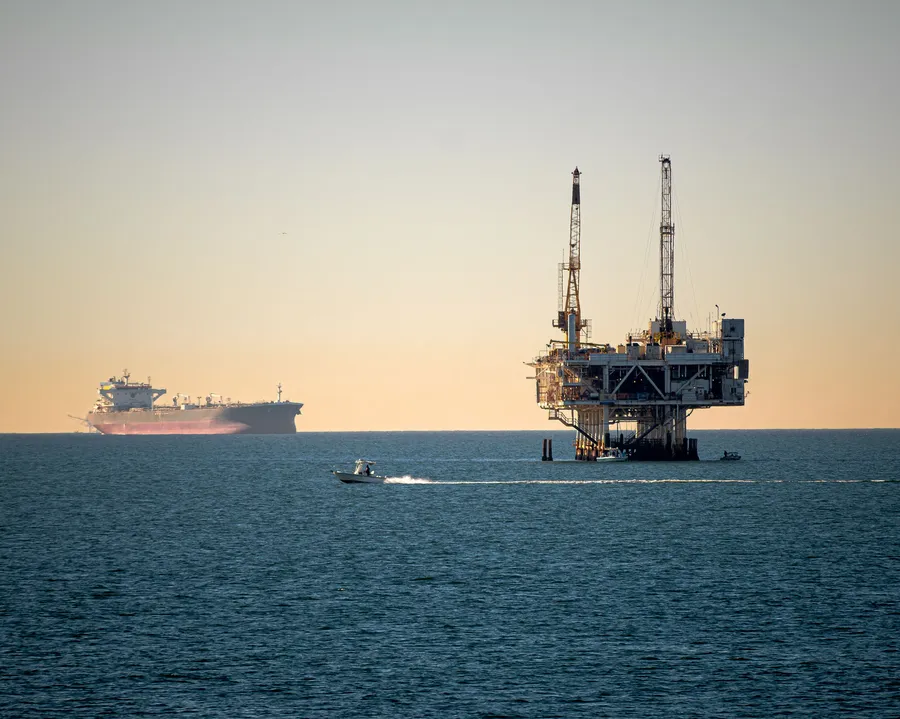
The UK's offshore energy industry is urging the government to move faster on two major North Sea developments, arguing that prolonged regulatory uncertainty is affecting investment, domestic energy supply and employment. The outcome could also influence activity across the wider offshore and maritime supply chain.
Industry calls for an end to project uncertainty
Offshore Energies UK (OEUK) is calling on the UK government to accelerate decisions on the Rosebank and Jackdaw developments, describing both projects as important to the country's energy security and offshore economy.
The industry body made its case during government consultations on the two projects. The Jackdaw consultation is scheduled to close on 10 August, followed by Rosebank on 17 August.
Both developments received approval under the previous Conservative government—Jackdaw in 2022 and Rosebank in 2023—but have subsequently faced around two years of uncertainty.
OEUK argues that the prolonged delay is affecting confidence in UK offshore oil and gas investment at a time when the country continues to rely on imported energy.
Billions in offshore investment at stake
Located approximately 80 miles west of the Shetland Islands, Rosebank represents around £8.7 billion ($11.6 billion) in private investment.
Jackdaw, approximately 150 miles east of Aberdeen, represents another £2.1 billion ($2.8 billion). More than three-quarters of the Jackdaw investment is expected to be spent within the UK.
Together, the projects already have substantial financial commitments behind them. Around £3 billion ($4 billion) has reportedly been invested in preparatory work.
For offshore contractors, vessel operators, engineering companies and port service providers, the question is therefore not only whether the fields receive regulatory approval, but whether the projects progress quickly enough to sustain the associated supply-chain activity.
Potential economic impact
OEUK estimates that Rosebank and Jackdaw could generate approximately £28.7 billion ($38.2 billion) in gross value added over their operating lives.
The projects are also expected to support around £9.1 billion ($12.1 billion) of supply-chain activity and potentially deliver up to £3.8 billion ($5.1 billion) in tax revenue by 2034.
Employment is another significant factor.
During peak construction, the developments could support more than 3,500 jobs, with around 880 positions sustained during production. At least 125 apprenticeships are also expected to be created.
That workforce requirement extends beyond the platforms themselves. Offshore energy developments generate demand across marine transportation, logistics, engineering, fabrication, inspection, maintenance and port operations.
Domestic production versus imported energy
OEUK's argument is also centered on energy security.
At peak production, Rosebank and Jackdaw together could contribute around 10% of UK domestic gas production and 10% of oil output.
The organization says delays to domestic projects have contributed to greater dependence on imported supplies. It further argues that imported oil and gas can have a carbon footprint up to four times higher than production from UK waters.
The two projects have different expected operating periods. Rosebank is projected to operate for around 25 years, while Jackdaw is expected to produce for approximately 11 years.
The figures highlight why the regulatory decision is being viewed by industry as part of a longer-term question about the UK's energy mix rather than simply two individual developments.
A test for the wider North Sea pipeline
OEUK chief executive David Whitehouse has argued that approving the projects could help unlock other offshore developments that have been held back by uncertainty.
The organization also wants the government to accelerate implementation of the Oil and Gas Revenue Levy, which it says is important for unlocking a wider pipeline of 111 offshore energy projects.
For the maritime industry, the significance could be substantial. A more active North Sea project pipeline can translate into demand for offshore support vessels, construction and installation services, survey operations, subsea work, crew, logistics and port infrastructure.
At the same time, the sector is operating within an energy transition in which offshore oil and gas increasingly sits alongside offshore wind and other low-carbon technologies. The future of the North Sea will therefore depend not only on project approvals but on how effectively its industrial base adapts to a changing energy system.
Why this matters
- For offshore vessel operators: Project approvals can create additional demand for offshore support, survey, construction and logistics vessels.
- For maritime workers: Large offshore developments support employment across vessel operations, engineering, maintenance, port services and specialist marine activities.
- For the UK supply chain: Billions in projected expenditure could benefit fabrication yards, engineering firms, ports and specialist contractors.
- For energy policy: The decisions will provide a signal to investors about how predictable and investable the UK's offshore regulatory environment remains.
Conclusion
Rosebank and Jackdaw have become a test of the UK's ability to balance energy security, investment and emissions policy while maintaining a competitive offshore industry.
For the North Sea maritime sector, faster regulatory clarity could determine whether a wider pipeline of offshore projects moves from planning into real activity.
Source: splash247
Related Articles
Deaths of Indian Seafarers Spark Demands for Greater Protection in Conflict Zones
The deaths of Indian seafarers aboard a tanker operating near Oman have triggered grief across maritime communities and renewed calls for stronger protections for civilian crews working in high-risk regions. As tensions continue to disrupt shipping in the Gulf, the incident has also intensified…
South Pars Output Rebounds as Iran Restarts Key Offshore Gas Platforms
Operations Resume Despite Ongoing Repairs at Damaged Processing Facilities
Explosive Devices Found on LPG Tanker Raise New Security Concerns in the Baltic
A reported discovery of explosive devices attached to an LPG carrier in Russia’s Baltic Sea gateway has intensified concerns about maritime security in a region already affected by geopolitical tensions, infrastructure attacks, and military activity. While many questions remain unanswered, the…

Maersk Agrees to $1.9 Million Settlement as U.S. Regulator Tightens Oversight on Container Charges
Regulatory scrutiny of detention and demurrage fees continues to intensify in the United States. The latest enforcement action sees Maersk reach a settlement with the Federal Maritime Commission (FMC), highlighting the growing pressure on carriers to ensure billing practices align with shipping…