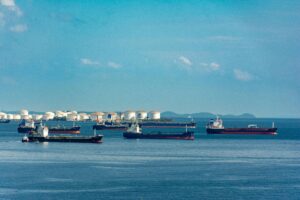
Swan Defence and Heavy Industries Ltd. has secured a ₹3,000 crore contract to construct four dual-fuel ammonia bulk carriers, marking a milestone for India’s entry into alternative-fuel shipbuilding.
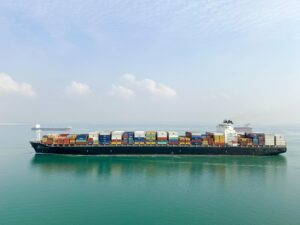
The order, placed by Energy One Ltd., covers 92,500 DWT vessels that will be among the largest commercial ships ever built at an Indian yard. More significantly, they will be the first ammonia dual-fuel vessels constructed in the country—positioning India within the global push toward low- and zero-carbon shipping.
Each vessel will measure approximately 229.5 meters in length with a 37-meter beam, and will be equipped with ammonia-ready propulsion systems. While ammonia as a marine fuel is still in its early adoption phase, the inclusion of dual-fuel capability allows operational flexibility as infrastructure and regulations evolve.
Design work for the vessels will be carried out by KMS-EMEC, while classification will be handled by Det Norske Veritas (DNV)—ensuring compliance with international safety and performance standards.
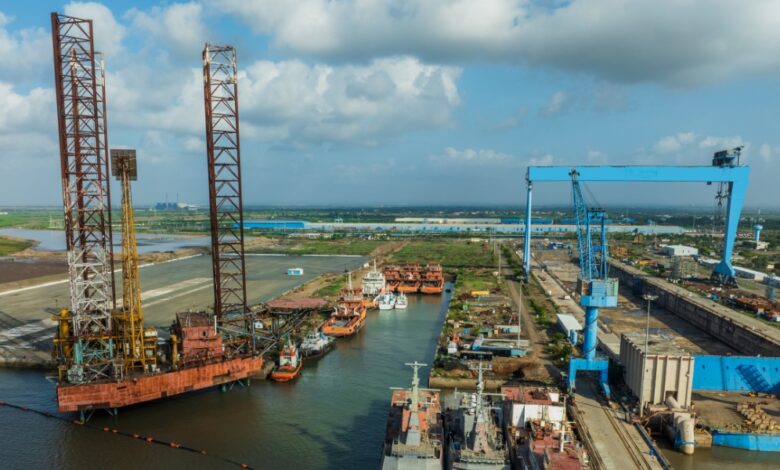
Construction will take place at the Pipavav shipyard, a facility that has been steadily rebuilding its capabilities in recent years. The first vessel is scheduled for delivery in October 2029, with subsequent ships expected at four-month intervals.
The project reflects increasing global interest in ammonia as a scalable marine fuel. With no carbon emissions at the point of combustion, ammonia is being explored as a long-term solution for decarbonizing deep-sea shipping—though challenges remain around fuel handling, safety protocols, and supply chain readiness.
For Swan Defence, this contract represents more than just a commercial win. It signals a shift in how Indian shipyards are being viewed globally—not just as cost-competitive builders, but as participants in high-spec, future-focused vessel programs.