The deaths of Indian seafarers aboard a tanker operating near Oman have triggered grief across maritime communities and renewed calls for stronger protections for civilian crews working in high-risk regions.
As tensions continue to disrupt shipping in the Gulf, the incident has also intensified debate over how governments and the international maritime community should safeguard merchant mariners navigating conflict-affected waters.
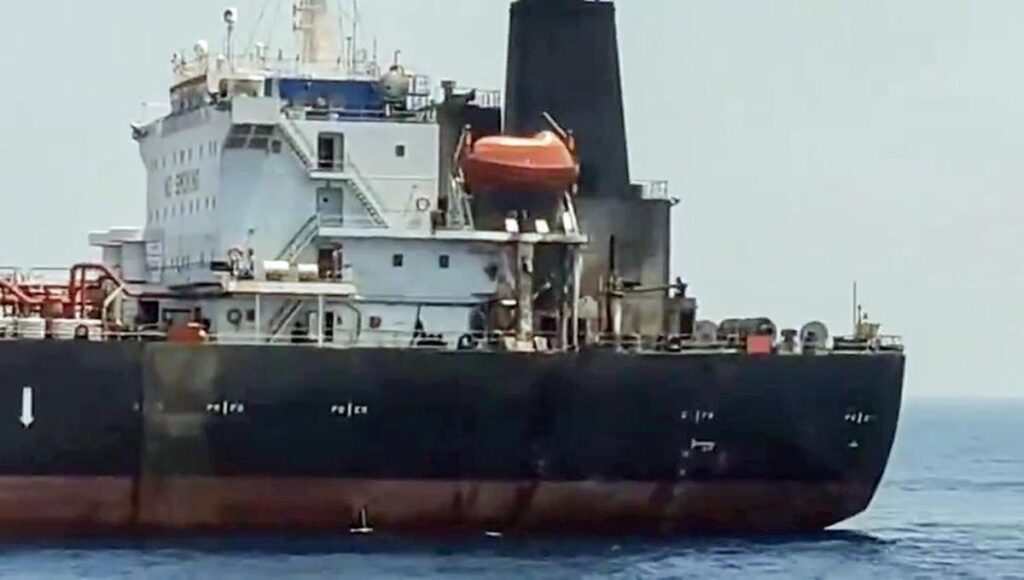
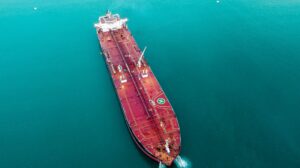
In northern India, families are mourning after three Indian sailors lost their lives in a strike on the tanker Settebello.
Among them was Shivanand Chaurasia, a seafarer and the primary source of income for his family. The news has left relatives devastated and raised difficult questions about the risks faced by thousands of merchant mariners working far from home.
The vessel reportedly carried 24 Indian crew members when it was struck while operating in waters affected by the ongoing regional conflict.
The incident prompted a strong response from Indian authorities, who formally conveyed concerns to the United States regarding the use of force against a civilian merchant vessel.
India emphasized the importance of protecting commercial shipping and maintaining safety in one of the world’s most strategically important maritime corridors.
The strike occurred amid heightened military activity linked to efforts to control maritime traffic associated with the conflict around Iran and the Strait of Hormuz.
For the shipping industry, the event underscores how quickly geopolitical tensions can place civilian crews at risk, even when they are not directly involved in military operations.
The deaths have generated wider debate within India about the country’s response to attacks affecting its seafarers.
Political leaders, maritime organizations, and industry observers have urged stronger engagement to ensure the safety of Indian crew members serving aboard international vessels.
India is one of the world’s largest suppliers of maritime manpower, with hundreds of thousands of Indian officers and ratings serving across the global merchant fleet.
As attacks and disruptions continue in the region, many fear that seafarers are increasingly becoming unintended victims of conflicts beyond their control.
Maritime unions and industry representatives warn that repeated incidents in the Gulf could have long-term consequences for the shipping workforce.
The Strait of Hormuz remains one of the world’s most critical energy trade routes, handling a significant share of global oil and gas shipments. Any deterioration in security directly impacts shipowners, operators, charterers, insurers, and most importantly, seafarers.
Industry groups argue that maintaining freedom of navigation and protecting civilian shipping must remain a priority for governments and international organizations.
There are also concerns that continued attacks on merchant vessels could discourage new entrants from pursuing careers at sea, further complicating existing recruitment and retention challenges facing the maritime sector.