The Ecosailor

United States Approves First Floating LNG Export Project in Landmark $5 Billion Investment

Back

United States Approves First Floating LNG Export Project in Landmark $5 Billion Investment

United States Approves First Floating LNG Export Project in Landmark $5 Billion Investment

Delfin Midstream moves ahead with what could become the world's largest floating LNG development, reshaping America's LNG export landscape

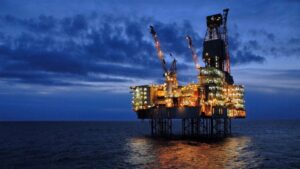
The U.S. LNG sector has reached a significant milestone with Delfin Midstream and its investors giving the green light to the country’s first floating liquefied natural gas (FLNG) export project. The development not only introduces a new model for American LNG exports but also positions the project as the largest planned floating LNG operation in the world. Located offshore Louisiana, the first phase of the project—Delfin FLNG 1—is expected to export 4.4 million tonnes of LNG annually and marks the beginning of a broader offshore LNG strategy that could eventually reach a total capacity of 13.2 million tonnes per year through three FLNG vessels.

A Different Approach to LNG Exports

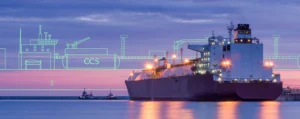
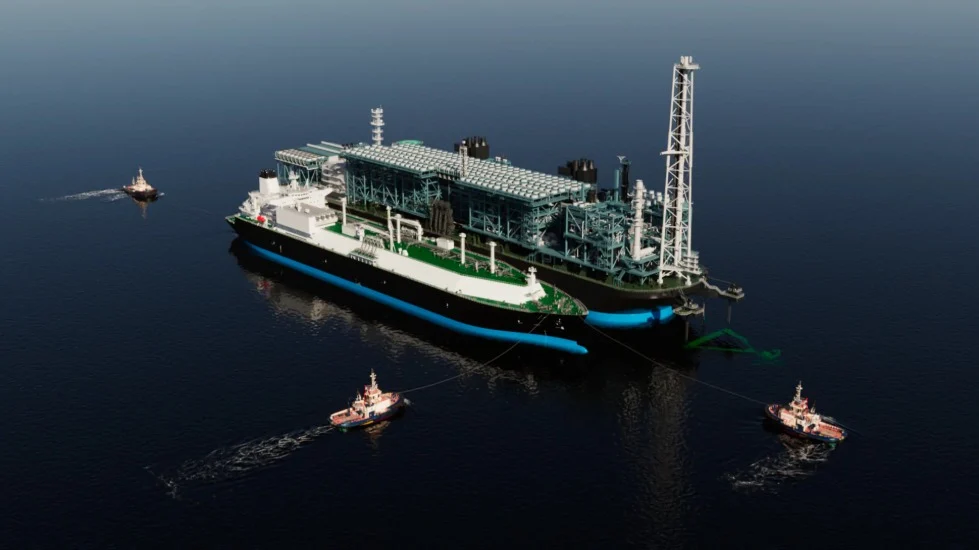
Unlike traditional LNG export terminals that require extensive onshore infrastructure, Delfin’s model relies on floating liquefaction vessels positioned approximately 40 nautical miles offshore. The concept uses pipeline-quality natural gas delivered directly to the FLNG facility, where it is liquefied and loaded onto LNG carriers for export. This eliminates the need for large-scale land-based liquefaction plants and associated infrastructure, potentially reducing both development costs and project timelines. The company estimates the overall investment will exceed $5 billion, while highlighting the operational and economic advantages of the floating approach.

More Than a Decade in Development

The investment decision represents the culmination of over ten years of planning, regulatory approvals, and project development. Delfin began laying the groundwork in 2014 with the acquisition of the UTOS pipeline. A year later, it submitted its Deepwater Port license application, initiating a lengthy approval process. The project finally secured authorization from the U.S. Maritime Administration in March 2025, clearing the path toward construction and deployment. With financial backing now secured, the project can move from planning to execution.

Global Industry Leaders Join the Project

The investor consortium behind the development includes several major players from the energy and maritime sectors. Global Infrastructure Partners, part of BlackRock, is leading the investment group. Japanese shipping giant Mitsui O.S.K. Lines (MOL), which joined the project in 2023, is expected to contribute LNG shipping expertise and operational support. Energy trader Vitol and investment firm Diameter Capital Partners have also committed to the first phase of the project, reinforcing market confidence in the development. Long-term LNG sales agreements have already been secured with global energy companies including Vitol, Expand Energy, Centrica, and Gunvor, providing commercial backing for future operations.

Built for Efficiency and Offshore Resilience

The FLNG design has been developed in collaboration with Samsung Heavy Industries and other technology partners. Unlike floating production units that process hydrocarbons directly from offshore reservoirs, Delfin’s vessel is designed solely for liquefaction of pipeline-supplied natural gas. The facility will use gas turbine-driven systems and air-cooling technology while also incorporating provisions to utilize renewable electricity where available to reduce emissions. Given its offshore location in the Gulf of Mexico, weather resilience has been a key design consideration. The facility can disconnect and relocate if threatened by hurricanes or severe storms, providing a level of operational flexibility not typically available to fixed export terminals. LNG carriers will load cargoes alongside the FLNG using tug-assisted operations while onboard thrusters help maintain vessel positioning.

Eyes on Expansion Beyond the First Vessel

The first FLNG vessel is expected to enter service in 2030. However, Delfin views this as only the beginning. The company continues to advance plans for two additional FLNG vessels that would increase total export capacity to 13.2 million tonnes annually, further strengthening the United States’ position as one of the world’s leading LNG exporters. If successful, the project could serve as a model for future offshore LNG developments and accelerate the adoption of floating liquefaction technology in regions where traditional shore-based infrastructure is difficult or costly to build.
Why This Matters

  • First for the United States: Delfin FLNG 1 will become the country’s first floating LNG export facility.
  • Major opportunity for shipping: Increased LNG exports will drive demand for LNG carriers, marine services, and offshore support vessels.
  • Faster LNG infrastructure development: Floating liquefaction offers a potentially quicker and lower-cost alternative to traditional export terminals.
  • Strategic energy significance: The project strengthens U.S. LNG export capacity at a time of growing global demand for energy security and diversified gas supplies.

Delfin’s final investment decision marks a pivotal moment for both the U.S. energy sector and the maritime industry. As the first American floating LNG export project moves toward construction, it could redefine how future LNG infrastructure is developed while creating new opportunities across the global shipping and energy value chain.

Leave a Comment

Your email address will not be published. Required fields are marked *

Leave a Comment

Your email address will not be published. Required fields are marked *